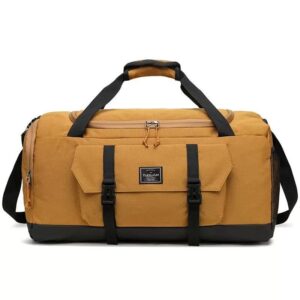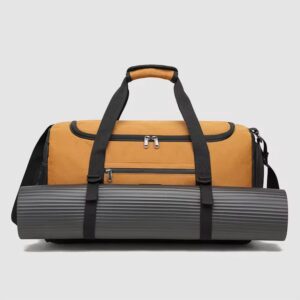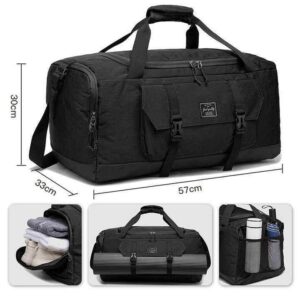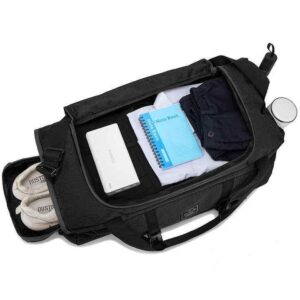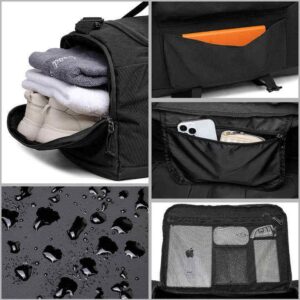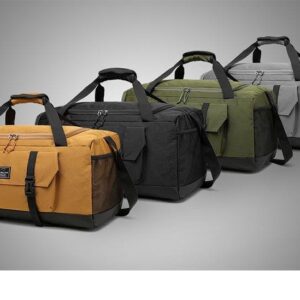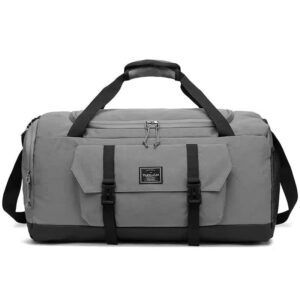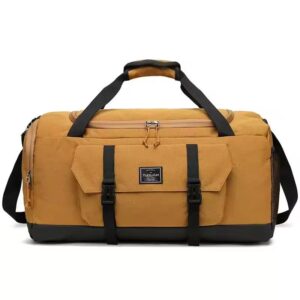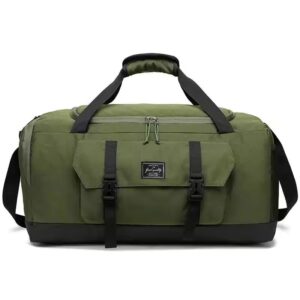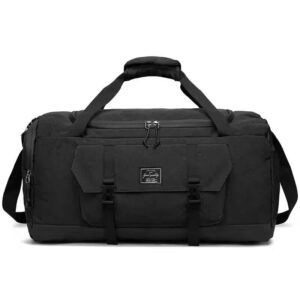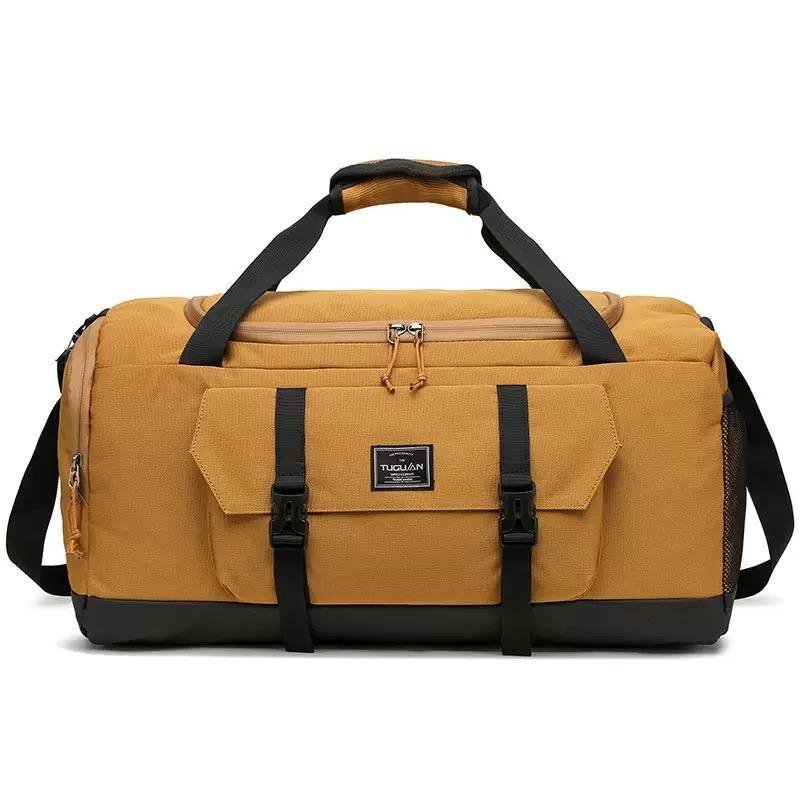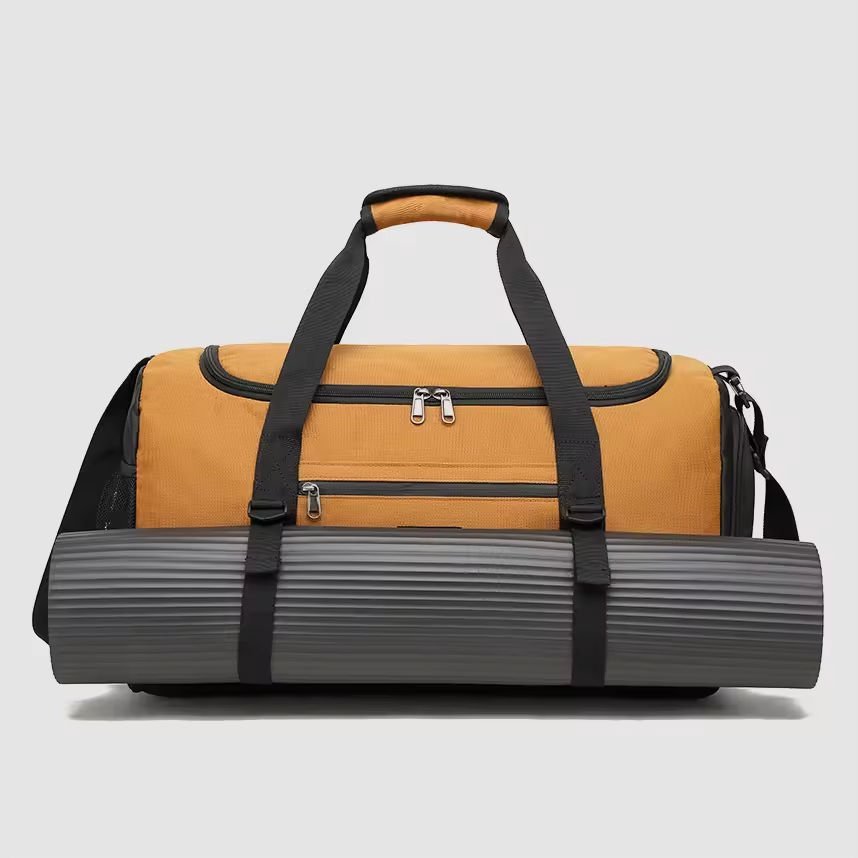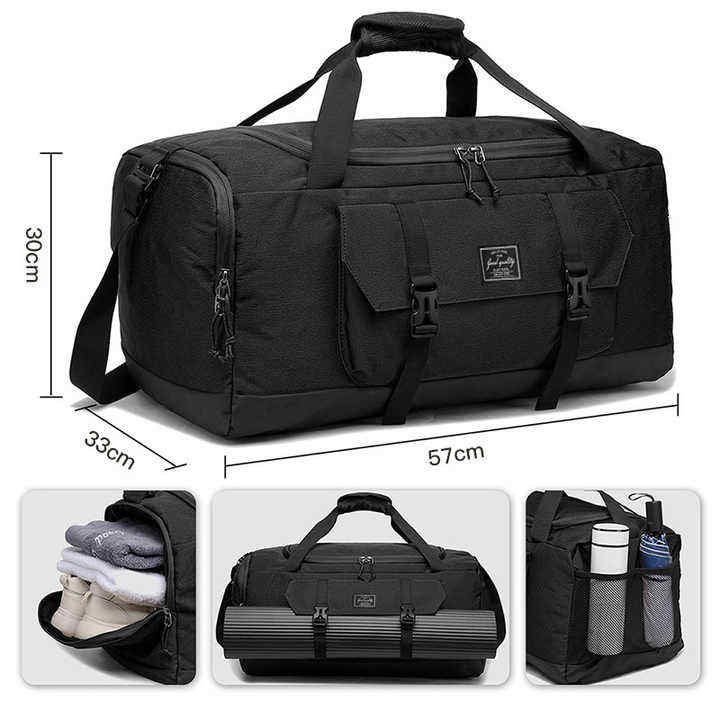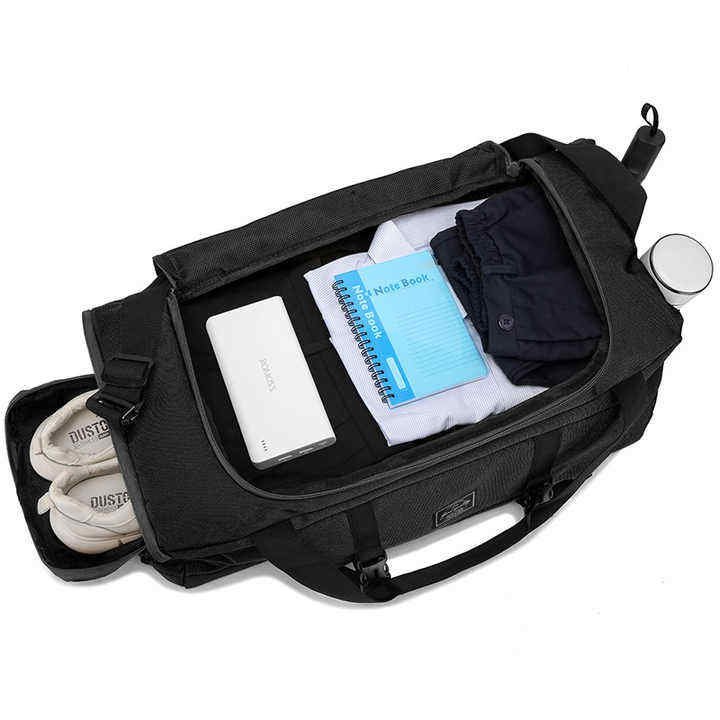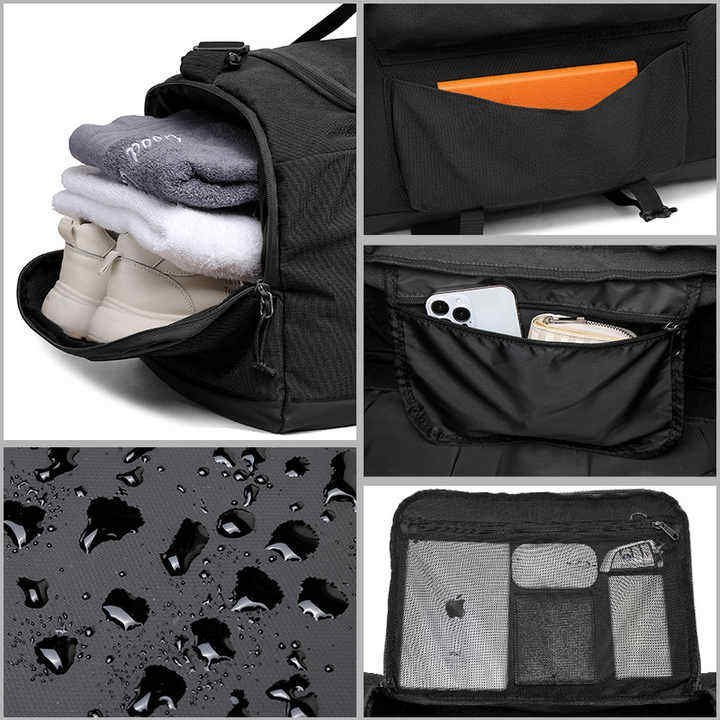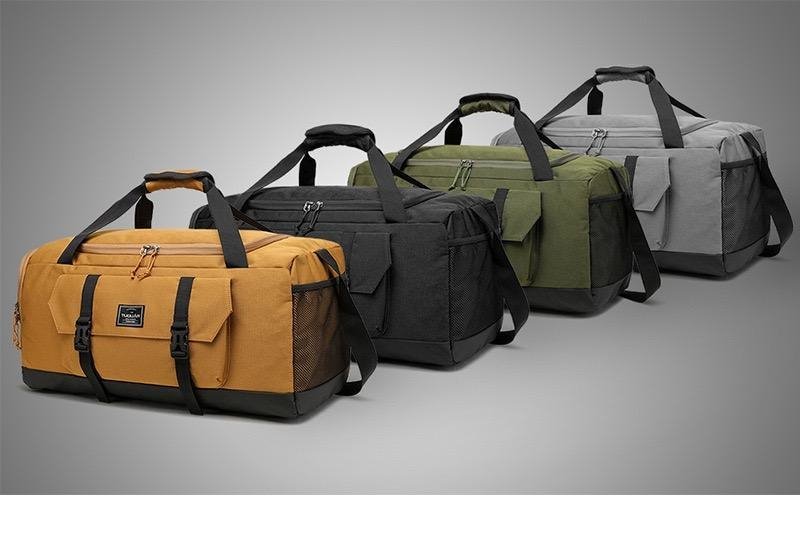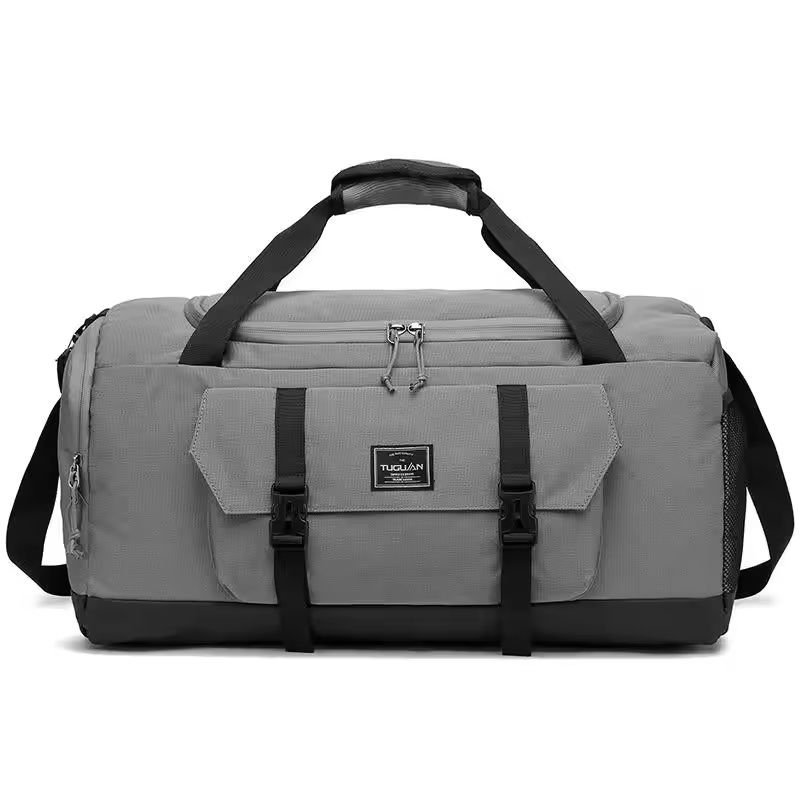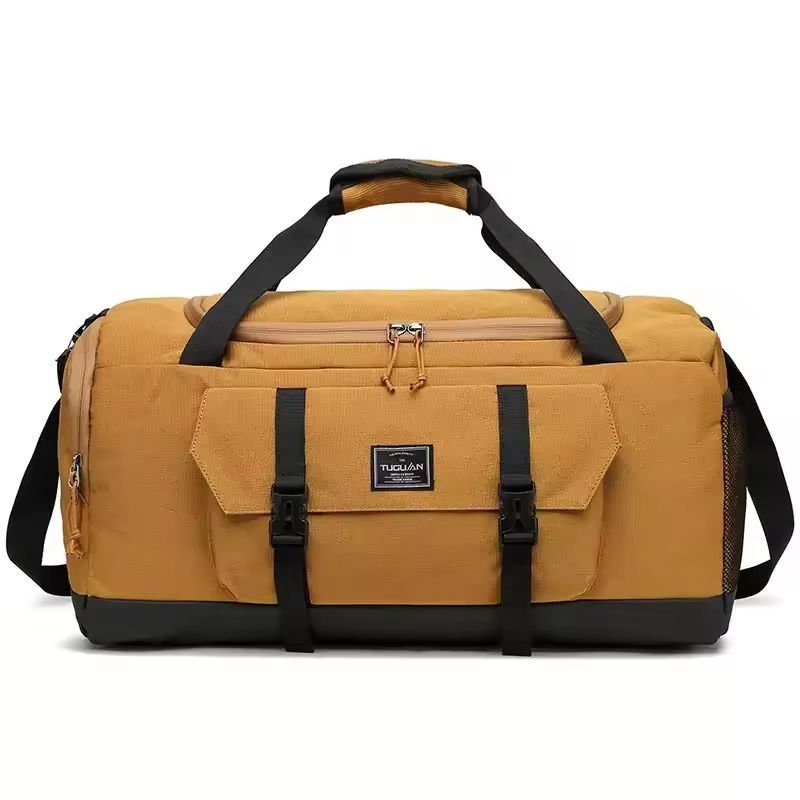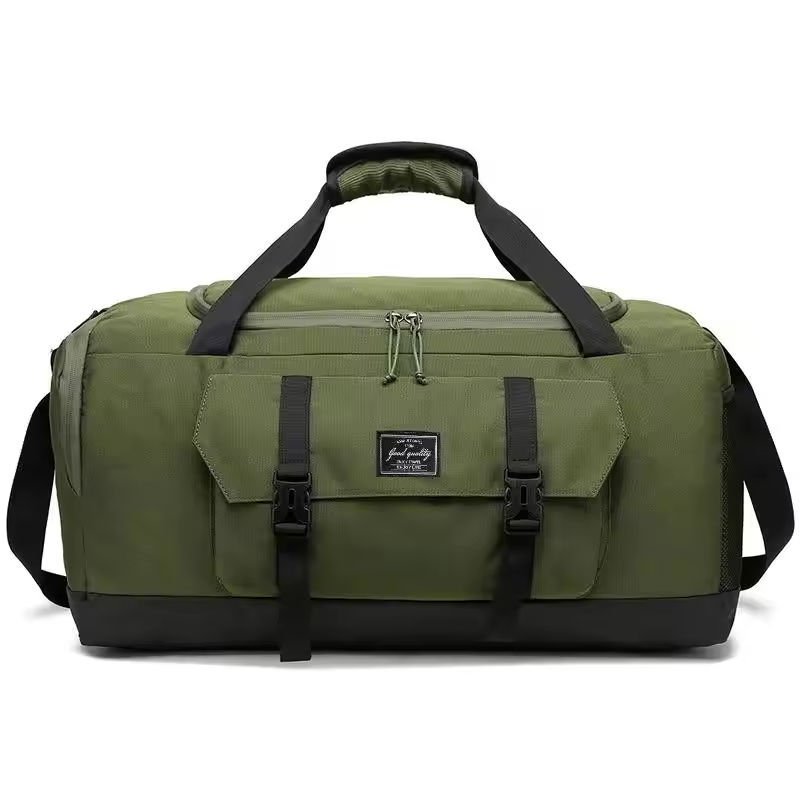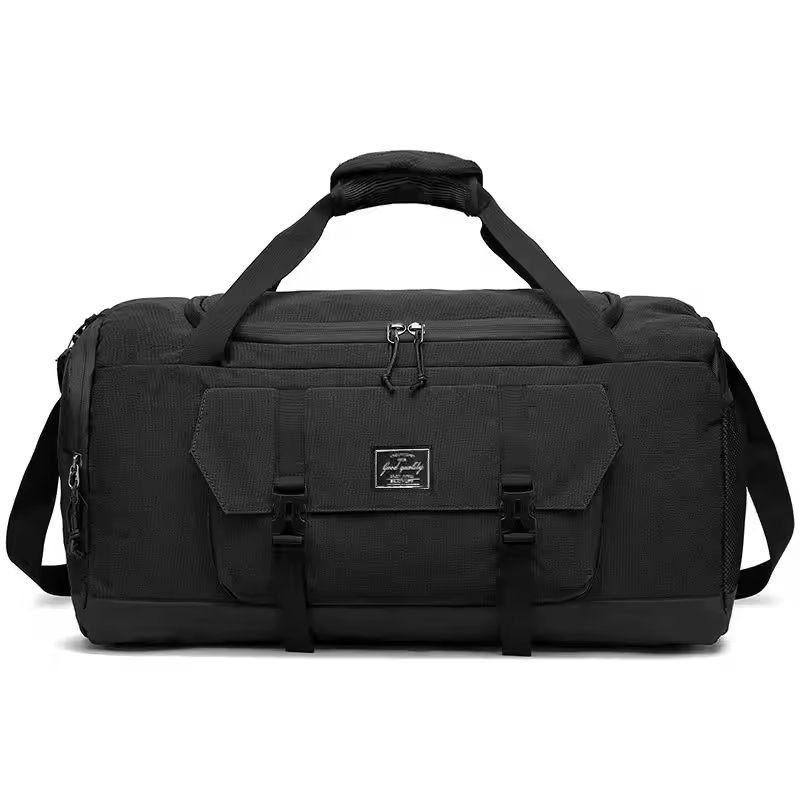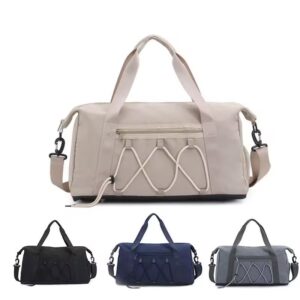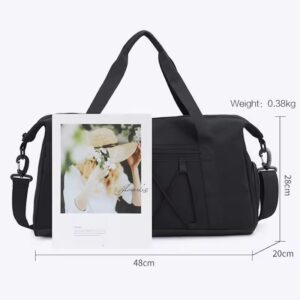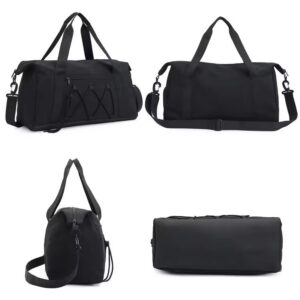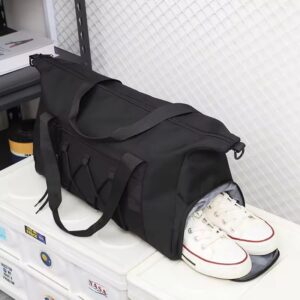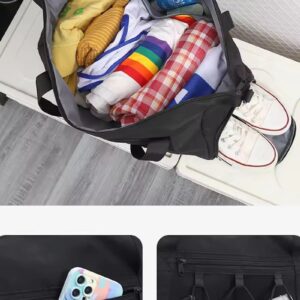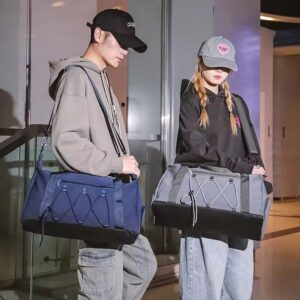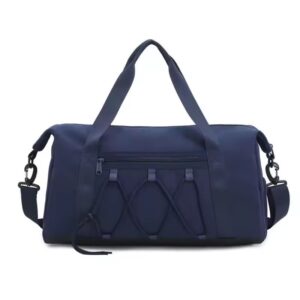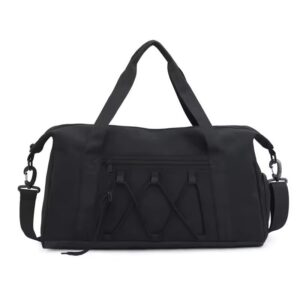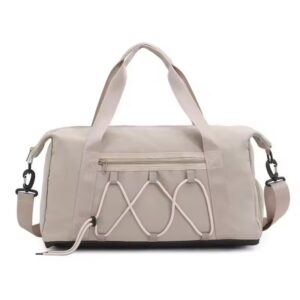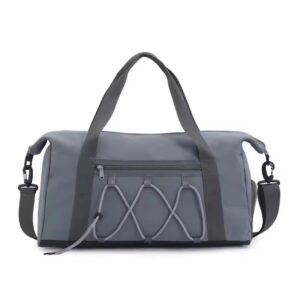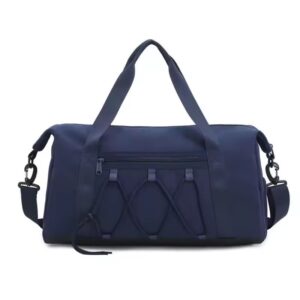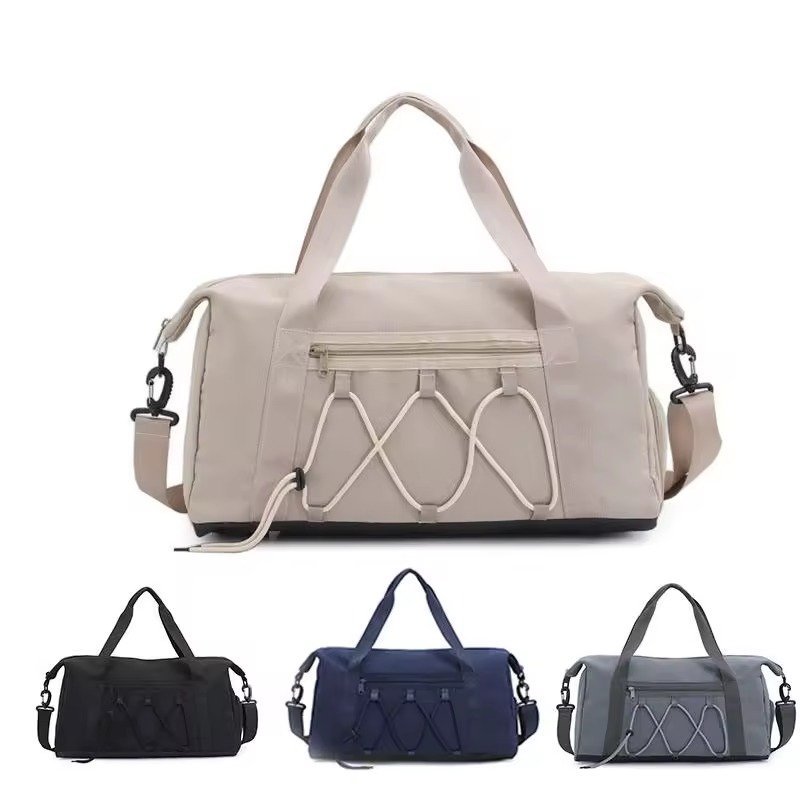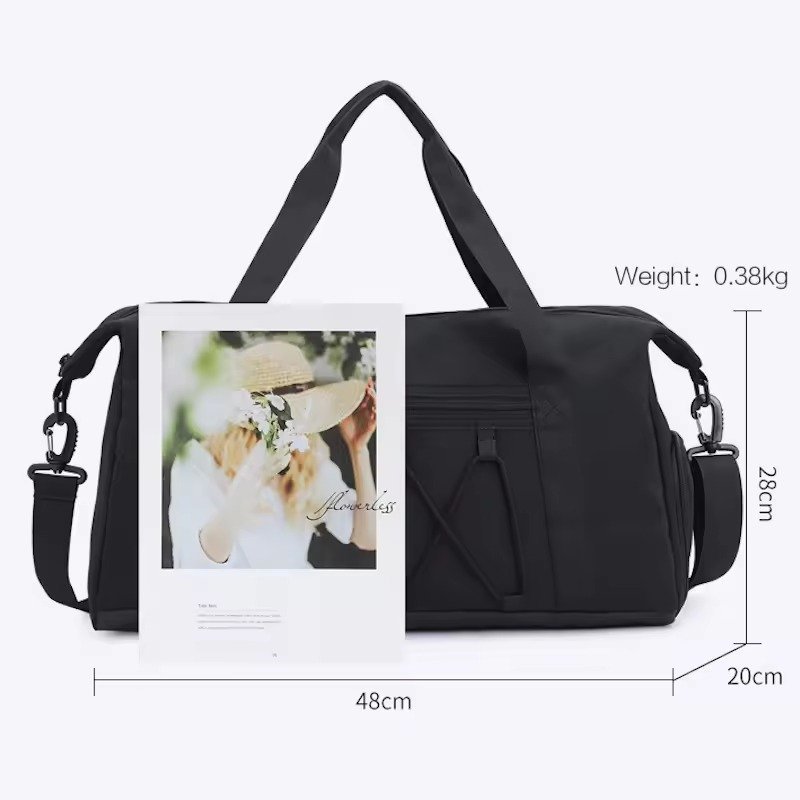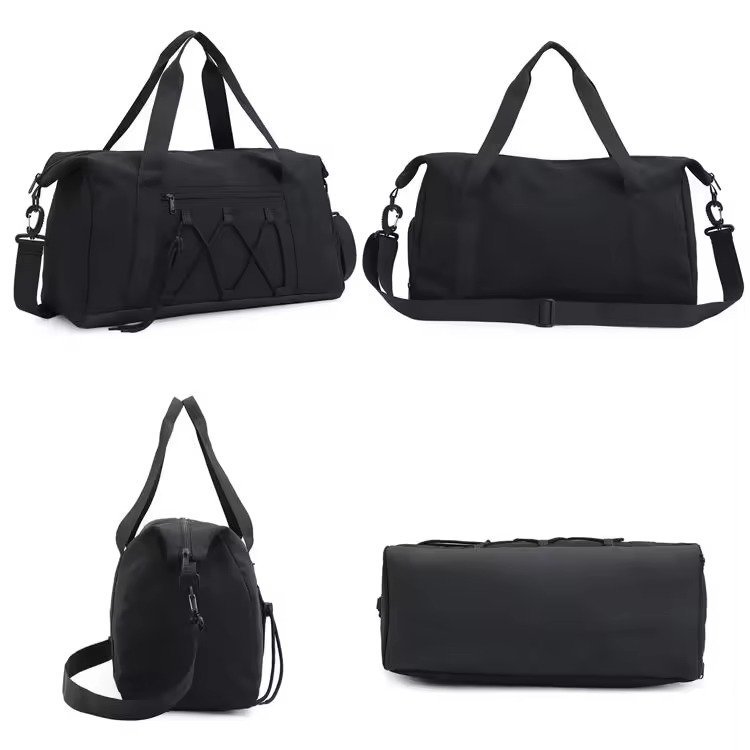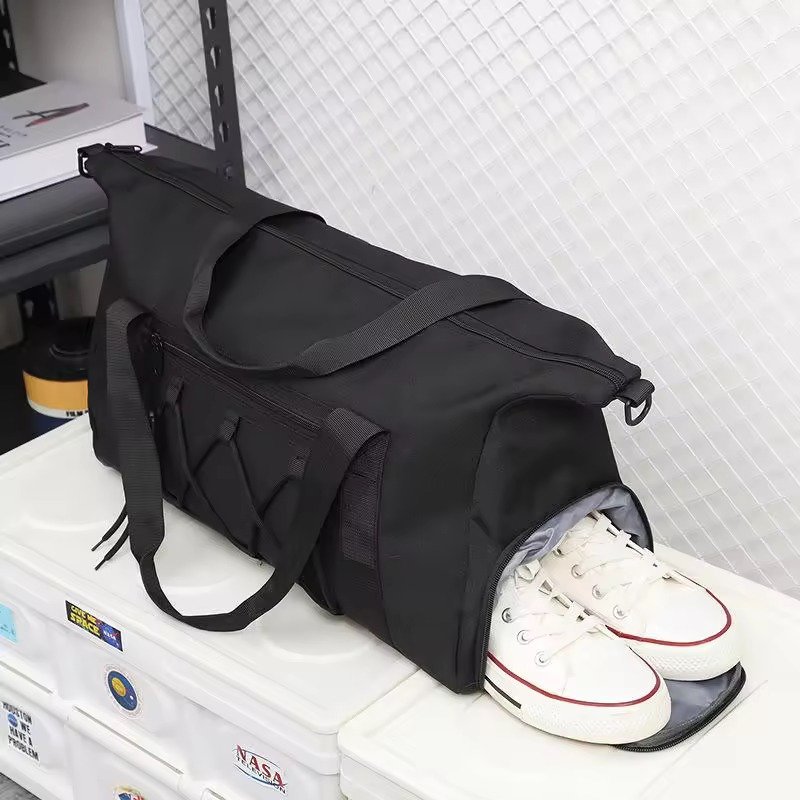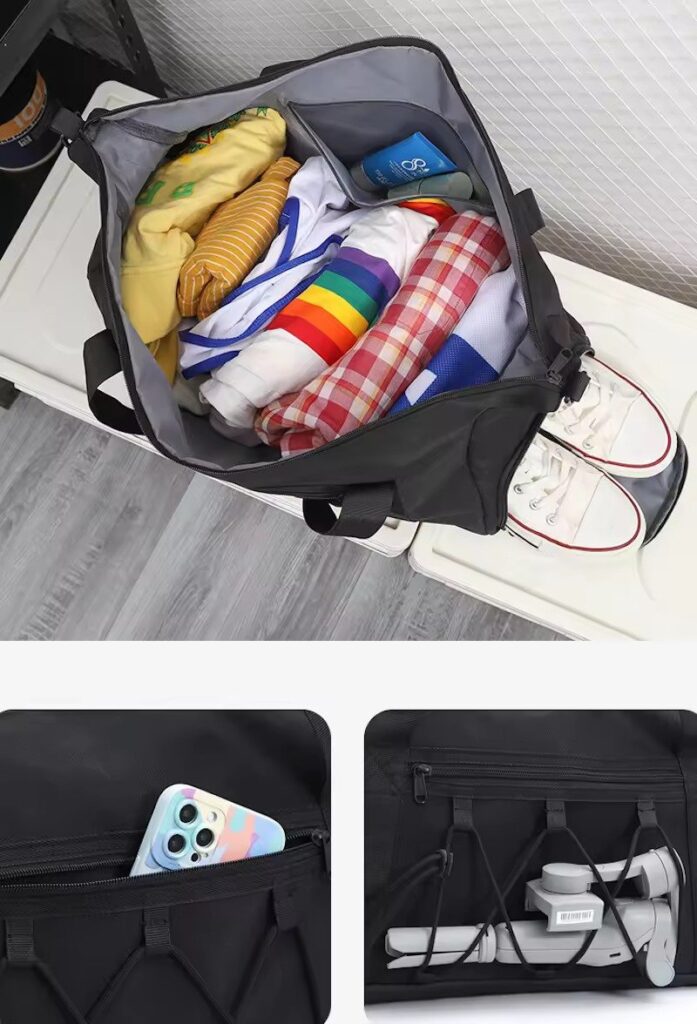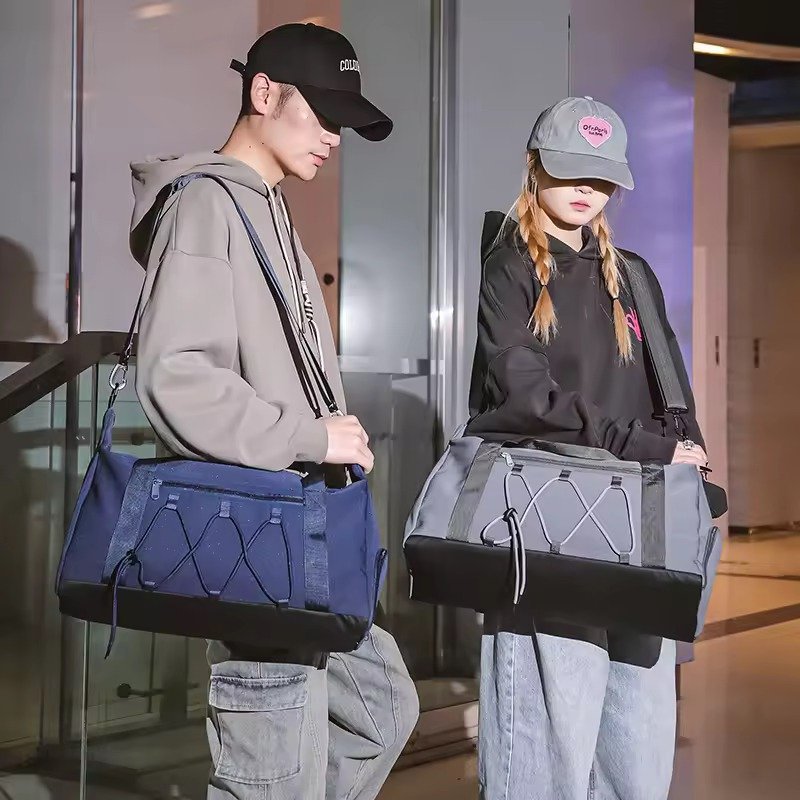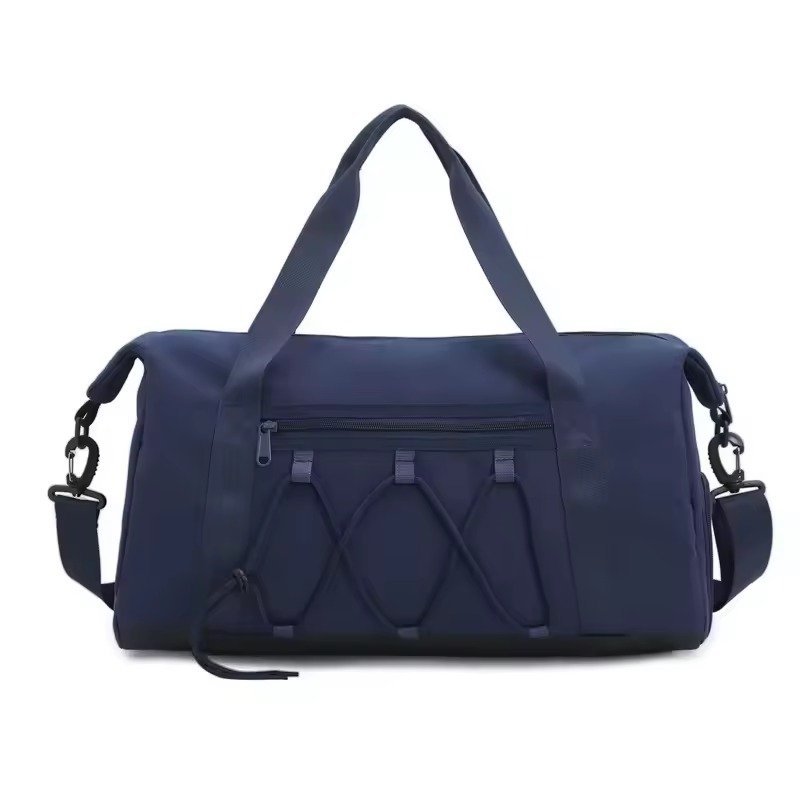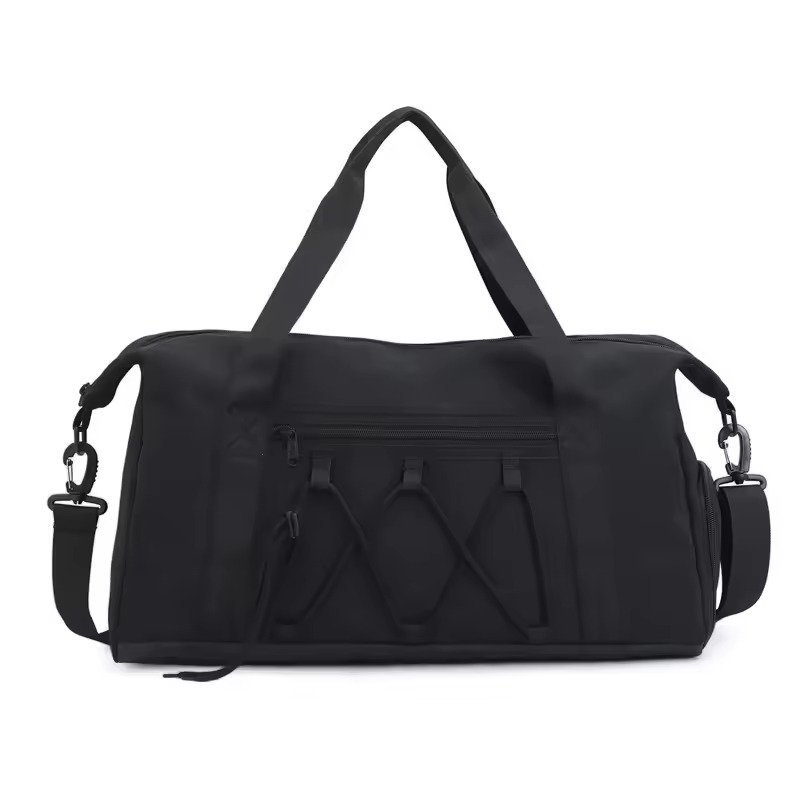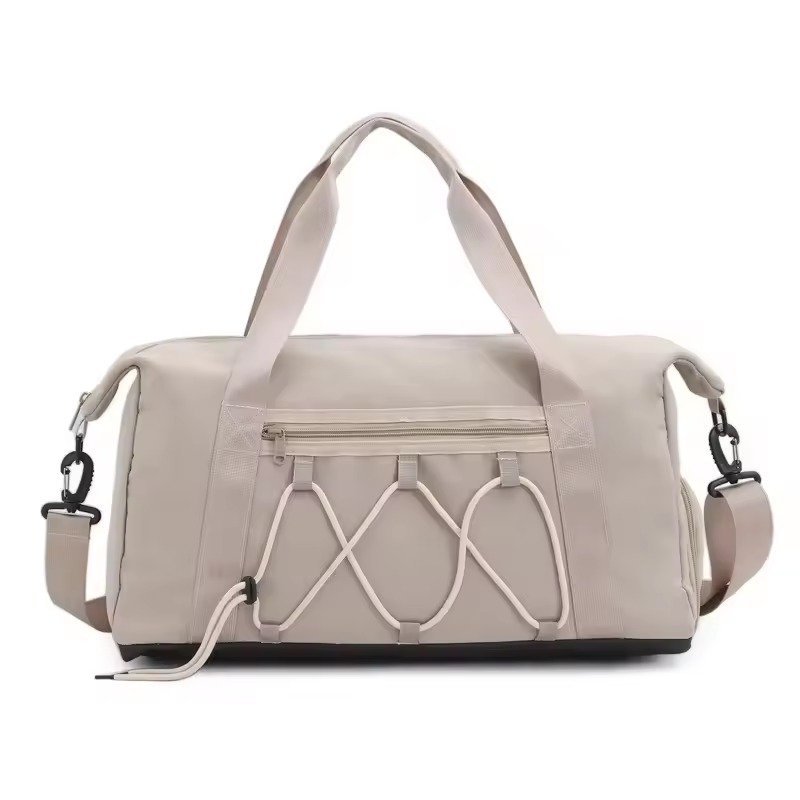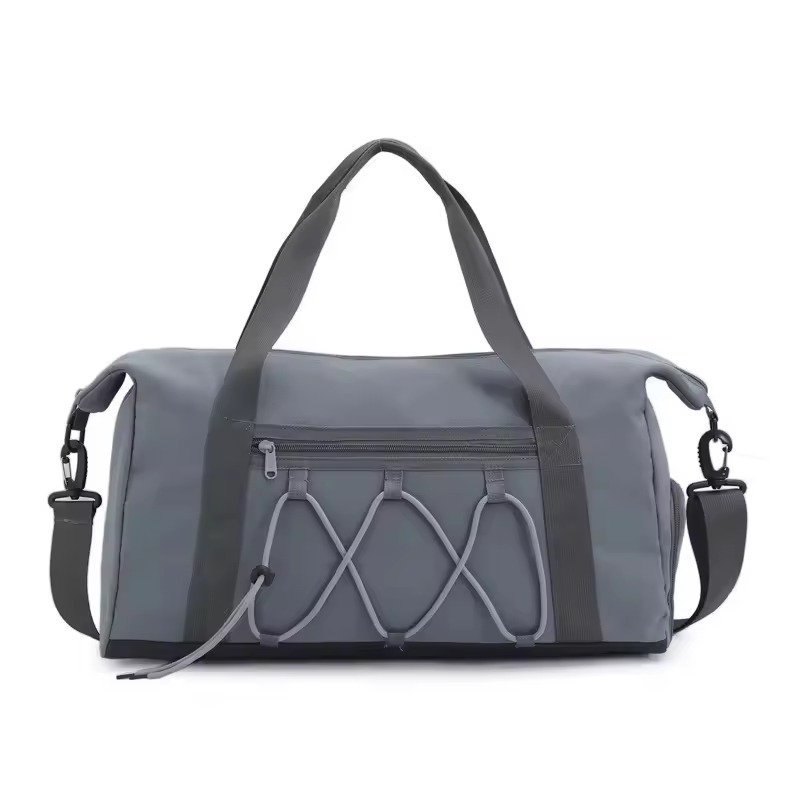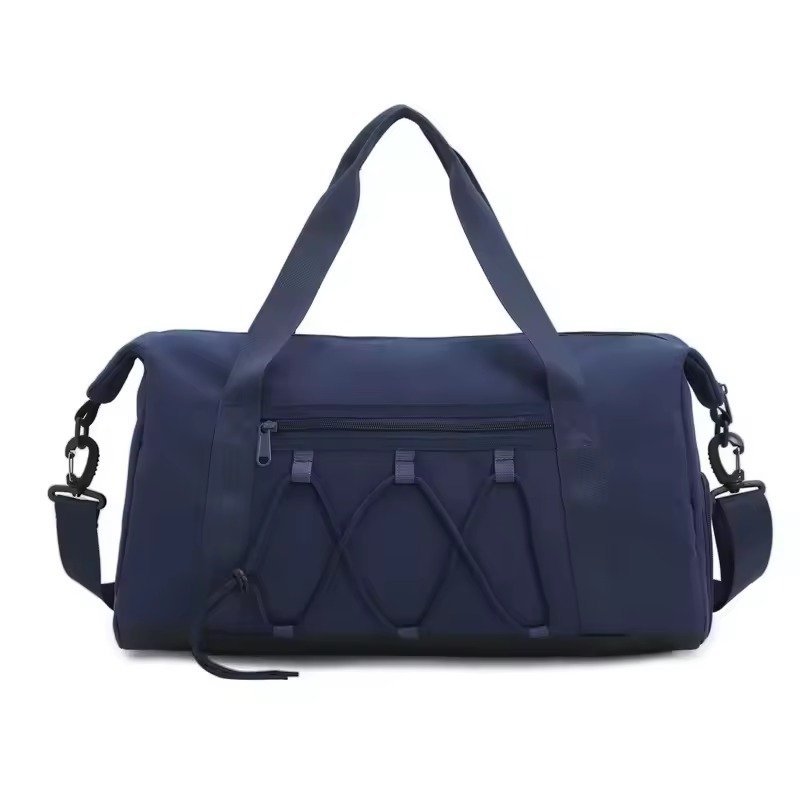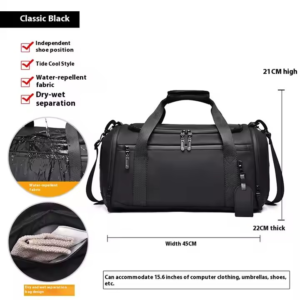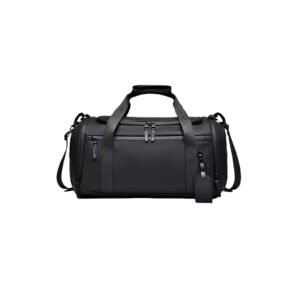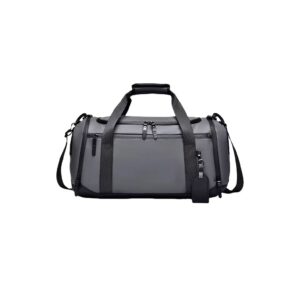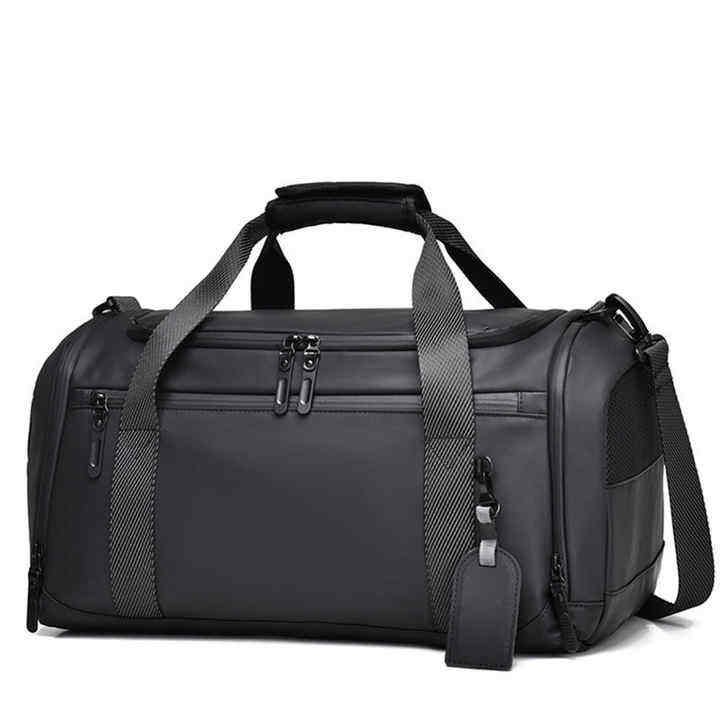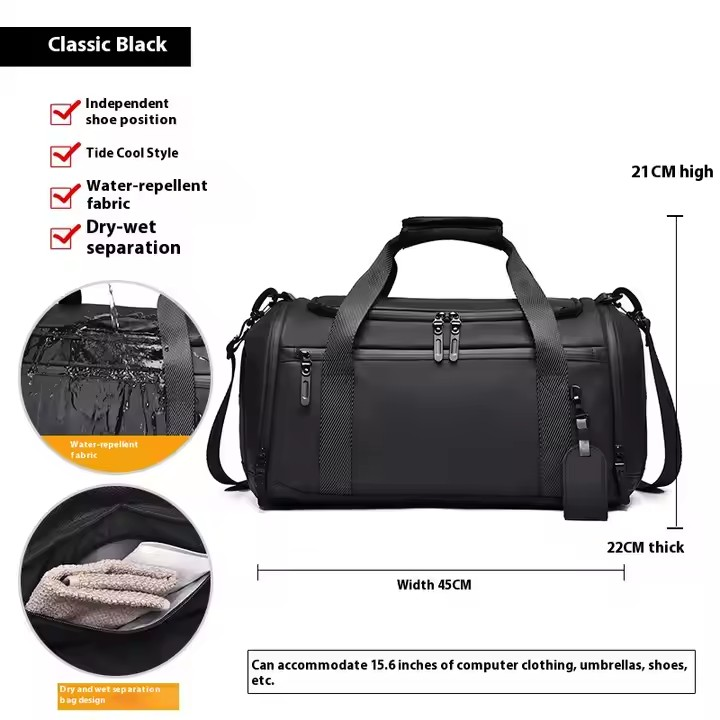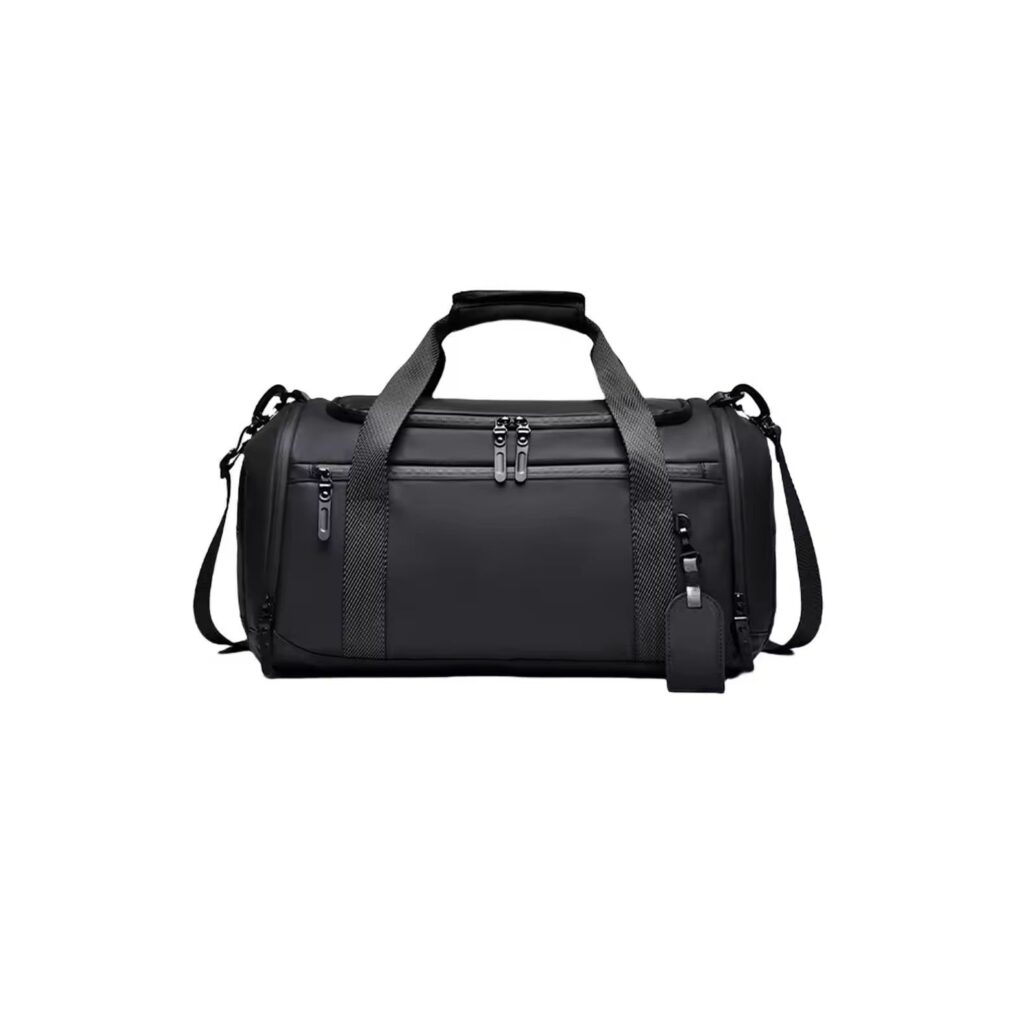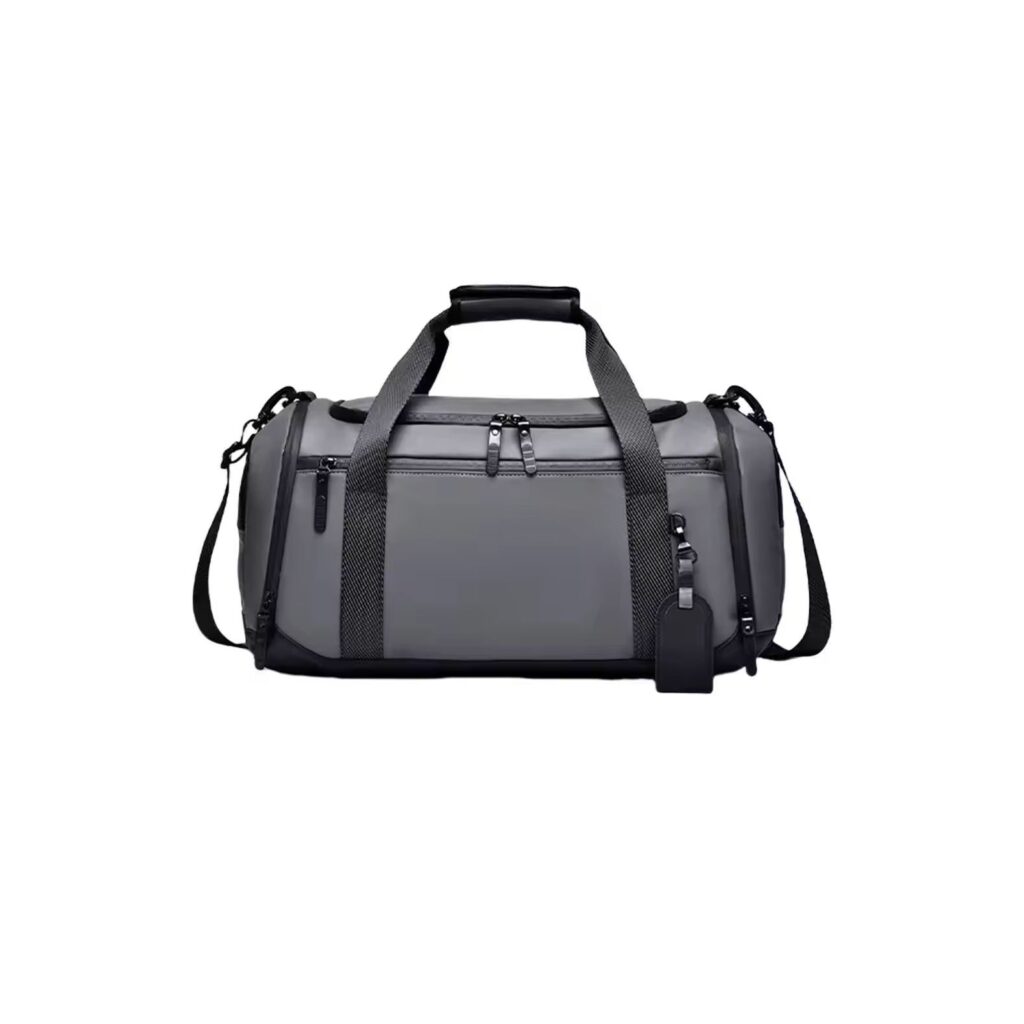
A duffel bag looks like one of the simpler products to source. It’s a cylinder or rectangle of fabric with a zipper and two handles — how many ways can a factory get that wrong?
In practice, more than buyers expect. The category covers everything from a $6 gym duffel sold at big-box retail to a $40 weekender carried onto a flight, and the difference between them isn’t the shape — it’s the fabric weight, the hardware, and the construction method holding it together. Buyers who source based on capacity alone (a common shortcut carried over from ordering backpacks or totes) tend to get quotes that don’t match what they had in mind, or samples that look right in a photo but fail after a few weeks of real use.
This guide breaks down what actually varies between duffel bag types, what drives cost, and what a factory needs to hear from you to quote accurately — before you get to the sample stage.
The Four Duffel Bag Types Buyers Actually Ask For
Almost every duffel bag inquiry falls into one of four functional categories, and each one implies a different construction priority:
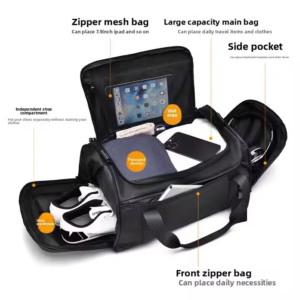
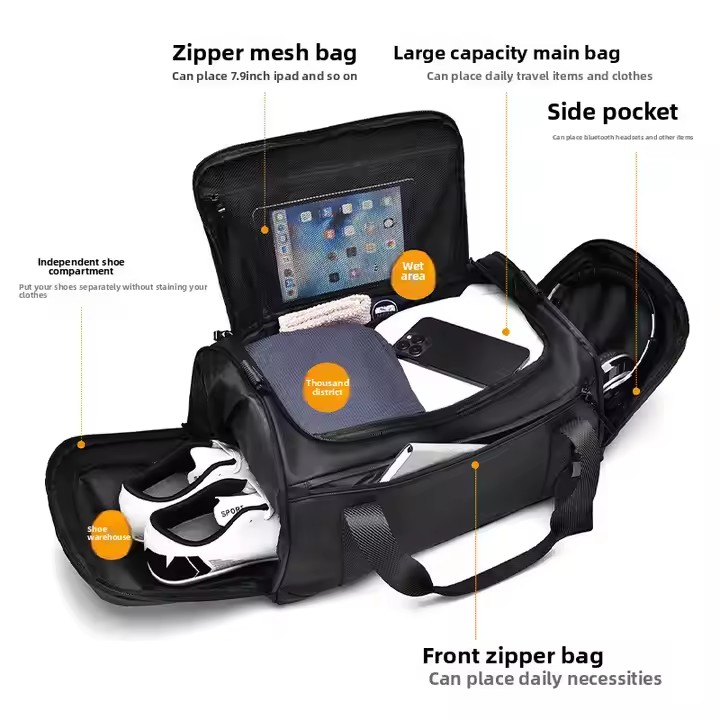
Weekender / travel duffels — larger capacity (35–60L), built for checked or carry-on travel. Buyers in this category usually care most about structure (does it hold its shape when half-empty?) and a separate shoe or wet-item compartment. Canvas and heavier oxford are common here because the bag is expected to look presentable, not just survive.
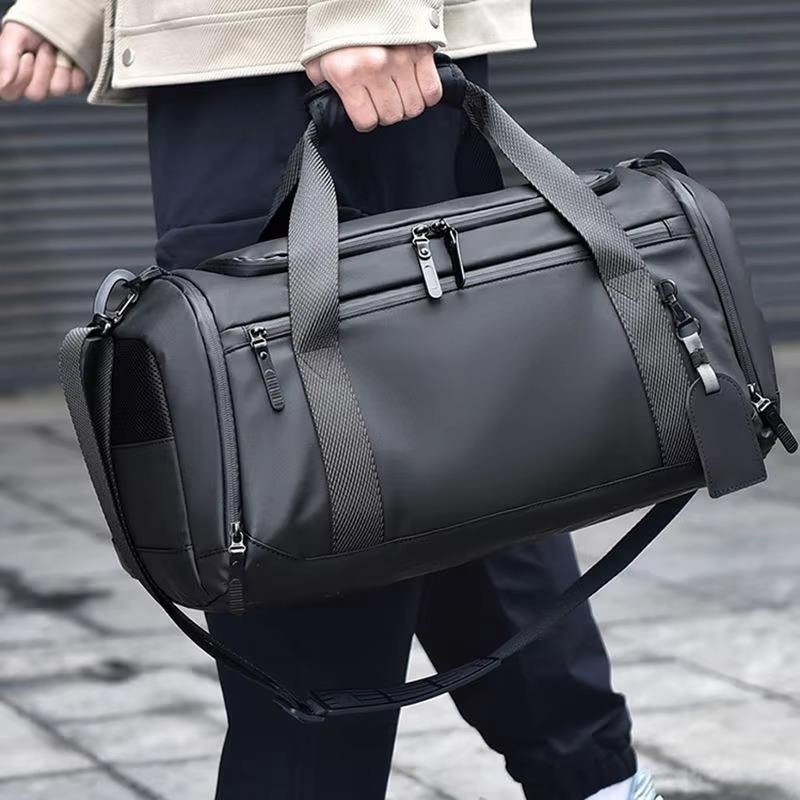
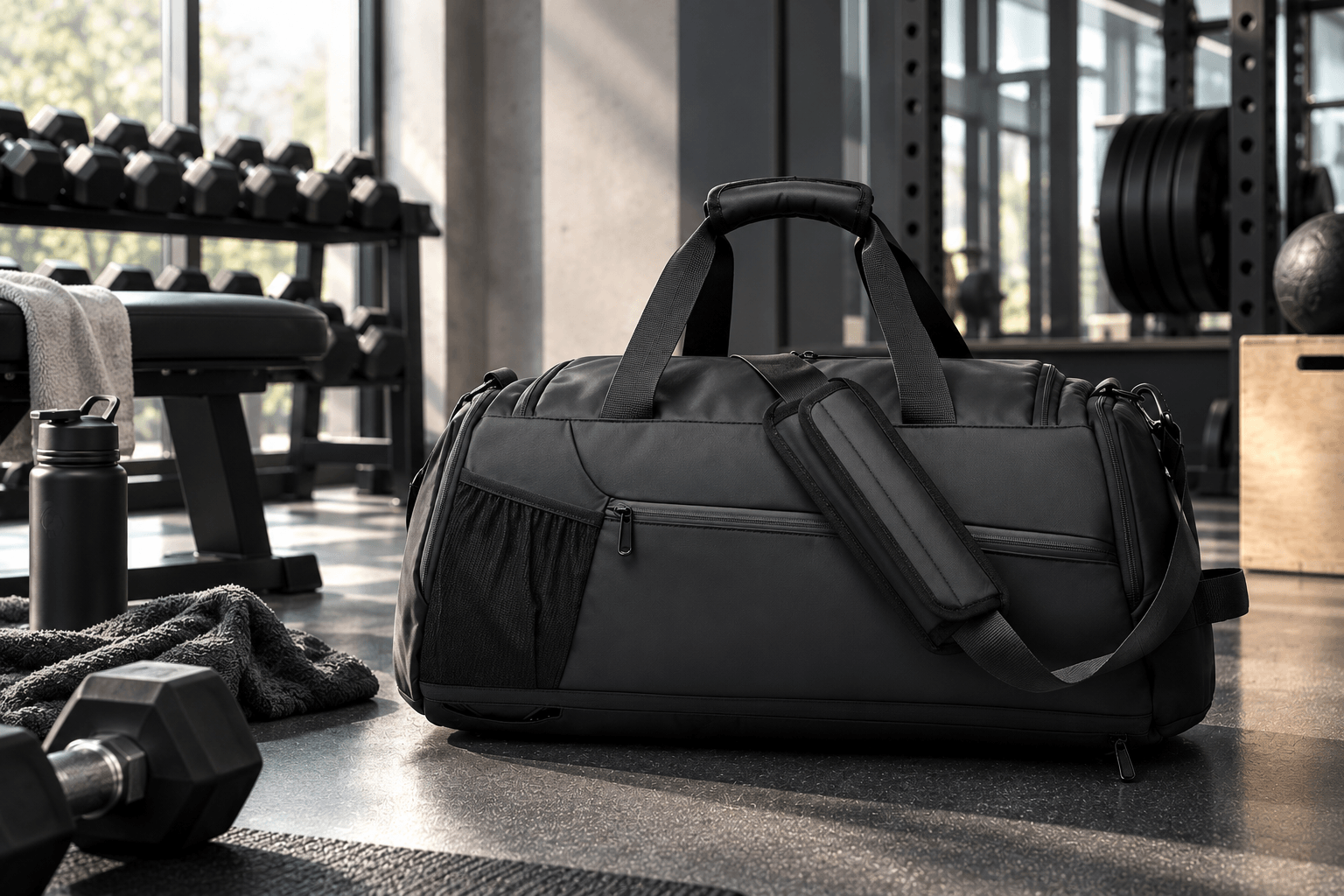
Gym / sports duffels — mid-capacity (20–40L), built around daily abuse: gym floors, car trunks, being tossed rather than carried. Priorities shift to abrasion resistance and washable or wipeable linings. Nylon and coated polyester dominate this segment because they’re lighter and dry faster than canvas.
Foldable / packable duffels — designed to compress into a pouch or their own front pocket when not in use. These are popular as promotional items and airline giveaways because of the low shipping weight. The tradeoff is durability — foldable construction generally uses lighter-gauge fabric and simplified hardware, so it’s a different product tier, not a lighter version of the same bag.
Rolling / wheeled duffels — a duffel body mounted on a telescoping handle and wheel assembly. This is a small but growing inquiry category (we cover the sourcing logic for wheeled bags in a separate guide, since the hardware sourcing and engineering issues are closer to hard-sided luggage than to soft duffels).
Naming your use case up front — “gym duffel for retail” versus “promotional foldable duffel” — gets you a more accurate first quote than describing dimensions and letting the factory guess the application.
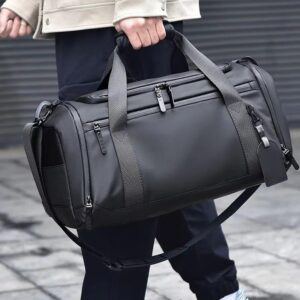
There’s a second, independent choice layered on top of all four types: how it’s carried. A duffel can be built as a traditional handheld/shoulder-strap bag, or as a duffel backpack — the same duffel-shaped main compartment, but with a padded backpack strap system instead of (or in addition to) hand grips. Buyers often assume this is a minor variation, but it changes the pattern, the strap hardware, and sometimes the base reinforcement needed to keep the bag upright when worn on the back rather than set down. Worth specifying which format you actually want alongside the four categories above, rather than treating “duffel” as a single silhouette.
Material Comparison: What You’re Actually Paying For
The fabric is usually the first decision buyers make, and often the wrong one to lead with — construction and hardware move the price more than fabric choice alone. Still, here’s how the common options compare:
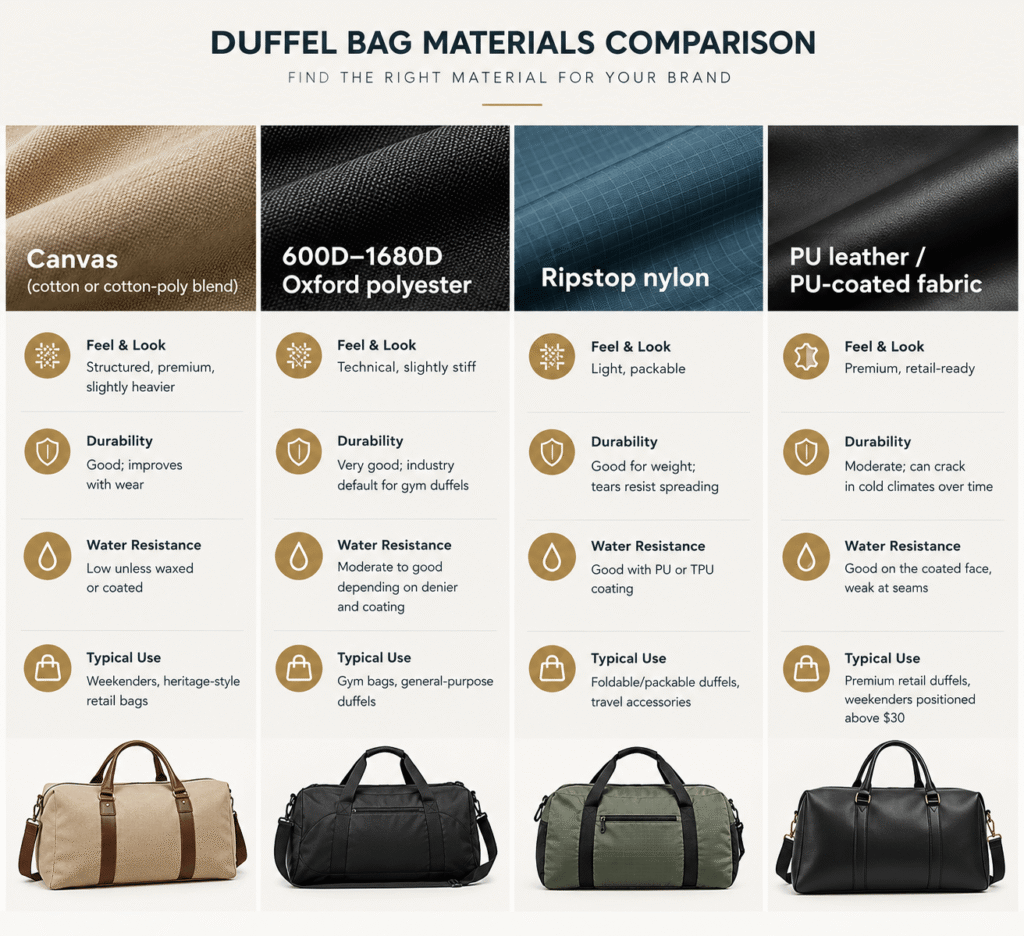
A distinction that trips up first-time buyers: “denier” (600D, 900D, 1680D) measures the thickness of the yarn, not the coating. Two 600D fabrics can have very different abrasion resistance depending on the weave and the finish applied. If a supplier only quotes denier without describing the coating, that’s a question worth asking before sampling. (For a broader rundown of fabric options across bag categories, see our material guide.)
Stock availability is worth asking about early, too — most common base fabrics and colors are kept on hand at reasonable order volumes, so the timeline penalty for “custom color” mostly applies to less mainstream shades or lower quantities. Where it genuinely slows things down is unusual, low-demand materials: certain premium coated fabrics, or a specific finish request like reduced surface sheen. That last one comes up more than buyers expect — some coated fabrics have a glossy finish that reads as “cheap” in product photos even when the underlying material is fine, and matching a lower-sheen look sometimes means sourcing a different roll rather than just picking a color.
OEM vs. ODM for Duffel Bags — What Actually Changes
You don’t need to walk into a sourcing conversation already knowing which one you want (For the general version of this decision across all bag categories, see our OEM vs. ODM guide.). The honest way to figure it out is to describe what you have and don’t have, and let the factory sort it:
- If you already have a pattern, spec sheet, or an existing bag you want replicated with your branding, that’s OEM — the factory builds to your design.
- If you have a concept (capacity, budget, target retail price, general look) but no finished pattern, that’s ODM — the factory proposes a design from its existing block patterns and adapts it to your branding and minor spec changes.
For duffel bags specifically, ODM is worth considering even for buyers who think they want OEM, because duffel bag construction (panel shapes, handle-drop length, base reinforcement) is more standardized across the industry than, say, a technical backpack. Starting from a proven ODM base pattern and customizing fabric, color, and branding is usually faster and cheaper than developing a fully original pattern, unless your design has a genuinely unusual silhouette.
MOQ: What Actually Changes the Minimum
Duffel bag MOQs follow the same logic as most soft-goods categories — the minimum is driven by what’s being customized, not by the bag itself:
| Customization Level | Typical MOQ |
|---|---|
| Logo applied to an existing stock design (heat transfer) | 100 pcs |
| Logo applied via embroidery or rubber patch | 500 pcs |
| Custom color or fabric swap on an existing pattern | 500 pcs |
| Fully custom pattern / new size development | 500–1,000 pcs |
| Special materials (e.g. technical ripstop, coated performance fabrics) | Generally 1,000+ pcs, varies by material and bag type |
The jump between “logo only” and “custom pattern” is the one buyers most often underestimate. Changing a strap length or adding a shoe compartment to a factory’s existing block pattern is a pattern-development cost that gets amortized across the order — which is why it needs volume to make sense for the factory.
What Actually Drives Pricing (It’s Not Capacity)
Two duffel bags of identical liter capacity can have a 2–3x price difference, and the reason is almost always one of these three factors:
Hardware. Zippers (YKK vs. unbranded), buckles, and D-rings are priced per unit and add up fast on a bag with multiple compartments. A bag with two zippered end pockets and a detachable shoulder strap has meaningfully more hardware cost than a single-compartment version at the same size.
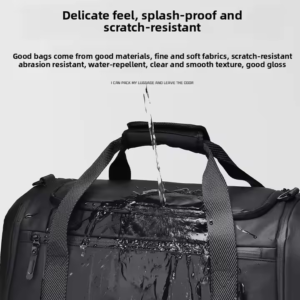
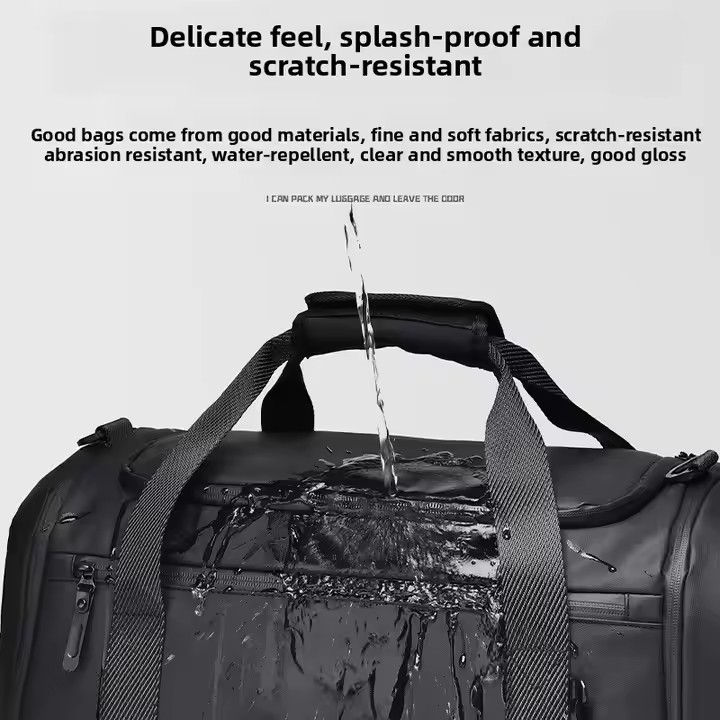
Construction method. Standard sewing is the baseline cost. Bar-tacked stress points (at handle attachment and base corners — the first place cheap duffels fail) add labor but meaningfully extend product life. For water-resistant duffels, some seams and panel joins are bonded using high-frequency (RF/dielectric) welding instead of stitching — a process where PVC, TPU, or PU thermofusible coatings on the fabric surface are heated by a high-frequency field until they fuse, without any needle holes for water to get through. It’s a fabric-processing technique, not an electrical spec, despite the name. It only works on specific coated materials, and it’s realistically suited to straightforward panel shapes rather than highly complex ones — so it’s worth confirming with your factory whether it applies to your specific fabric and pattern before assuming a “waterproof” duffel means welded seams.
Base reinforcement. A duffel set on the ground or in a car trunk needs base support — cardboard inserts, laminated board, or molded EVA panels — to keep its shape and protect contents. This is invisible in product photos but is one of the more common places factories cut corners to hit a price target, and one of the first things worth asking about directly.
Capacity still matters, but mostly as a materials-volume multiplier on top of these three factors — which is why two suppliers quoting the “same” 40L duffel can be 40% apart once hardware and construction are actually specified.
As a rough market reference, wholesale-tier duffel bags (50-piece order level) tend to land somewhere around $3–6 for standard nylon/oxford gym styles, $5–9 once you add better hardware, printed lining, or a shoe compartment, and $8–16+ for PU leather, larger capacity, or coated waterproof construction. These are indicative ranges to set expectations, not a quote — actual pricing depends on the hardware, construction, and fabric decisions above.
A Real Tradeoff: Structure vs. Budget
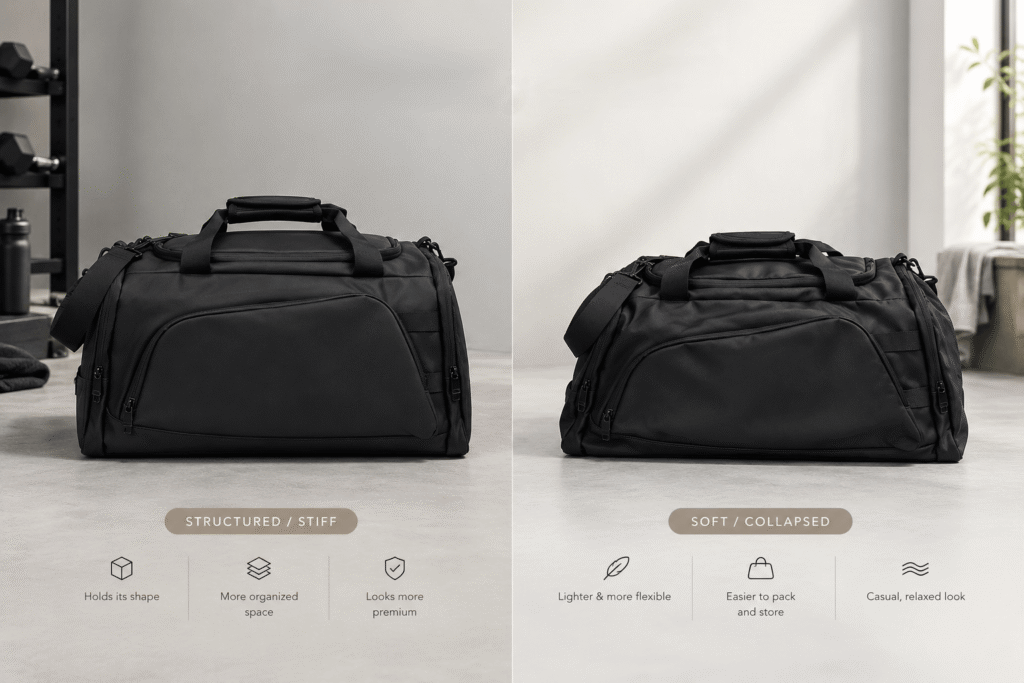
One recurring decision point is worth walking through, because it comes up in almost every duffel inquiry with a fixed budget: a buyer wanted a bag that looked structured and held its shape — not the soft, collapsed look a duffel gets with lightweight fabric — but also needed to hit a low price point. The instinct is to assume that means a compromise on the whole bag. In practice, it’s a question of where the budget goes: fabric with enough body to hold shape costs more than a soft, floppy alternative, but hardware quality can flex more than buyers expect without being visually obvious. For that order, the fix was reallocating budget toward a stiffer-body fabric and accepting mid-grade (rather than premium) zippers and buckles — the customer’s priority was how the bag looked and held up on a shelf or in hand, not premium hardware feel. The right tradeoff depends entirely on what the buyer actually cares about, which is why describing the priority (“it needs to look structured” vs. “it needs to survive rough daily use”) gets a better-matched quote than specifying materials directly.
Production Timeline
For a standard order once artwork and specs are confirmed:
- Sample development: 7–12 days
- Sample revision (if needed): 5–7 days
- Bulk production: 25–35 days for orders under 5,000 units, longer for custom fabric development
- QC and export packing: 3–5 days
Custom fabric colors (rather than selecting from a factory’s in-stock roll) typically add 10–15 days to the front end of this timeline, since fabric has to be dyed and delivered before cutting starts. If your timeline is tight, asking a factory for their current in-stock fabric options before specifying a custom color can save meaningful lead time.
Frequently Asked Questions
Do I need to know my exact fabric and hardware spec before requesting a quote? No — a rough description (use case, target capacity, budget range, and whether you have an existing sample or reference image) is usually enough for a first-pass quote. Exact specs get locked in during sampling.
Can duffel bags be private labeled with no visible manufacturer branding? Yes — this is standard for private label and wholesale orders. Neutral packaging and blank hang tags (for the buyer’s own branding) are typically included at no extra step, though printed retail packaging is a separate cost line.
What documentation is needed for export? Standard commercial invoice and packing list cover most shipments. If you’re importing into markets with specific textile labeling requirements (fiber content, country of origin), confirm labeling format with the factory before bulk production — it’s far cheaper to fix on a label than to relabel finished goods. See our certifications page for what’s covered on the compliance side.
Is a foldable duffel just a lighter version of a standard duffel? Not exactly — foldable construction typically uses a lighter fabric weight and simplified internal structure specifically so it can compress. It’s a different product tier optimized for portability over heavy daily use, rather than a scaled-down version of a standard duffel.
Will a custom color slow down production? Usually not much, if it’s a common shade at a reasonable order quantity — most base fabrics and mainstream colors are already stocked. It matters more for unusual or low-demand materials (certain premium coated fabrics, or a specific low-sheen finish), which may need to be sourced separately rather than pulled from stock.
Not sure yet whether you need OEM or ODM, or want the full manufacturing overview across our product range? Start on our OEM/ODM solutions page.