Custom hiking bags tend to come from a few different kinds of buyers — a brand building out an outdoor line, an Amazon or DTC seller looking to private-label a proven design, and someone who just needs 100-200 units for an event or a retail promotion. These are the buyers we see most, and they tend to ask the same three questions in a different order: how much capacity do I actually need, what makes this a “real” hiking bag and not just a backpack with a trail-themed name, and what’s this actually going to cost. Capacity is the one clean, predictable answer in the bunch — everything after that is closer to a judgment call than a formula.
This guide walks through all three, plus MOQ broken out by buyer type, since a brand placing a recurring order and someone sourcing 150 units for a one-off event are asking a genuinely different question when they say “what’s your minimum.”
How Much Capacity Do You Actually Need?
Capacity is the first decision, and it’s the one that’s actually predictable: a bigger bag uses more material, so cost scales with size in a way that’s straightforward to reason about, unlike almost everything else in this guide.
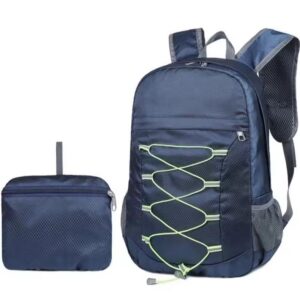
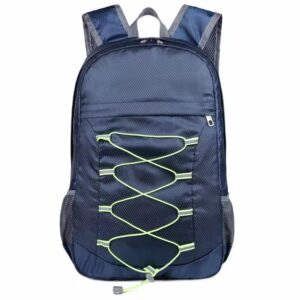
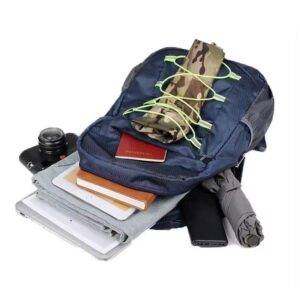
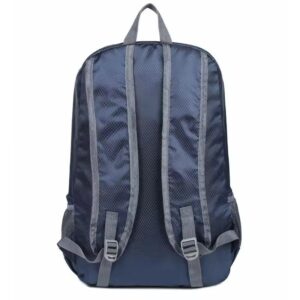
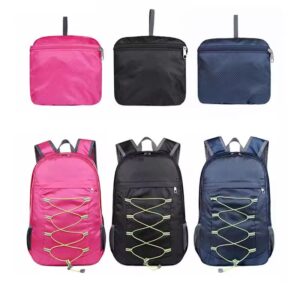
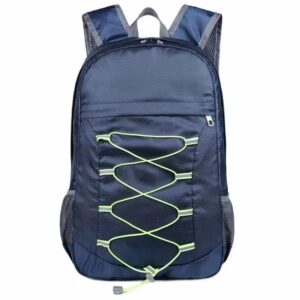
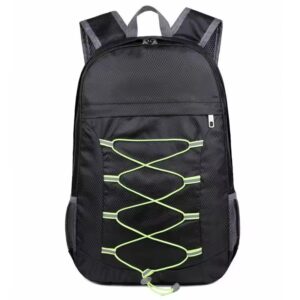
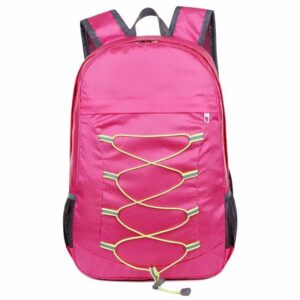
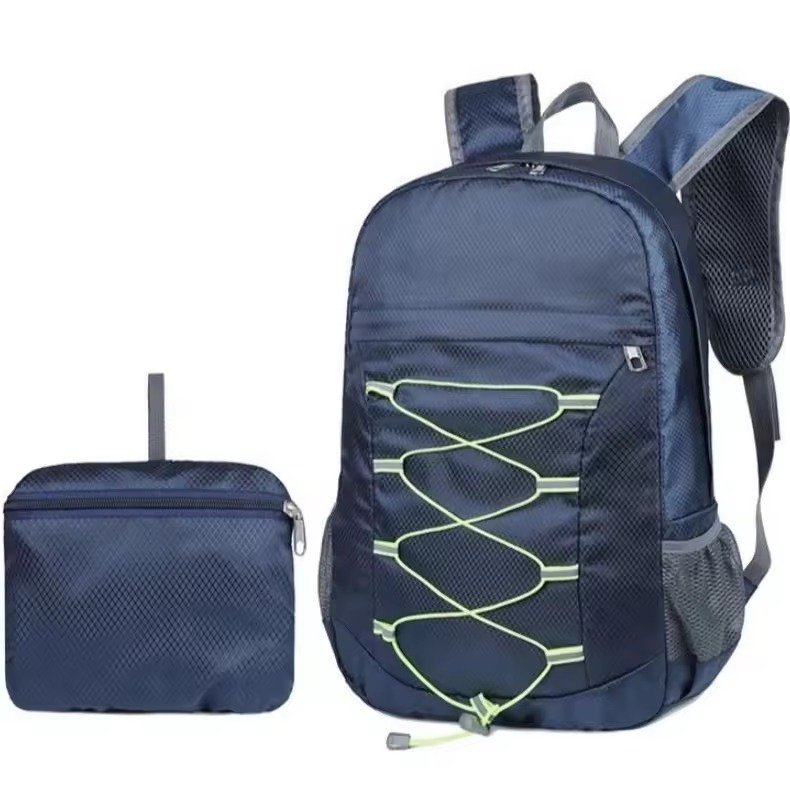
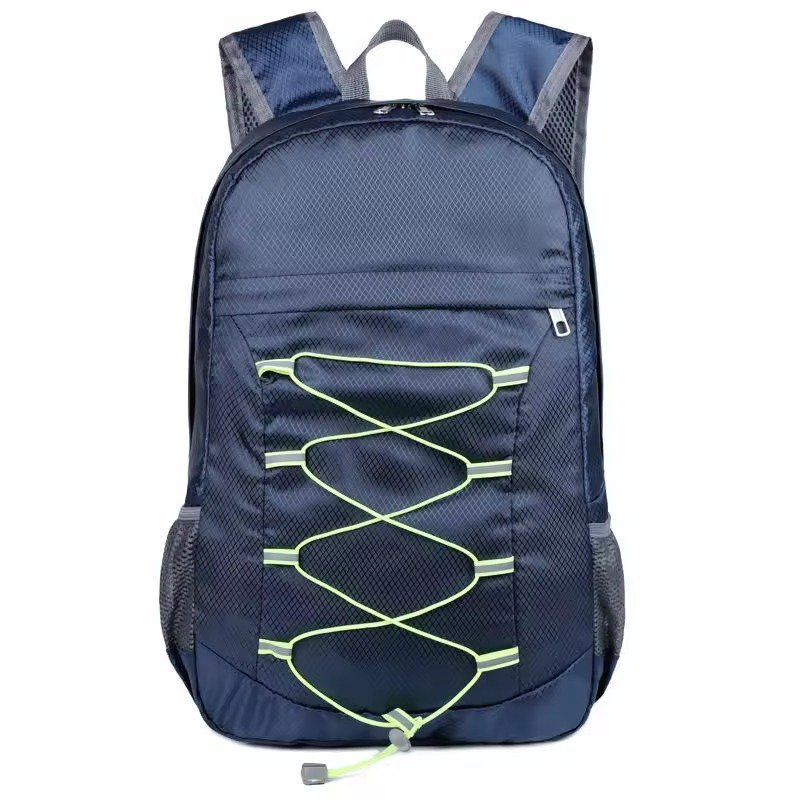
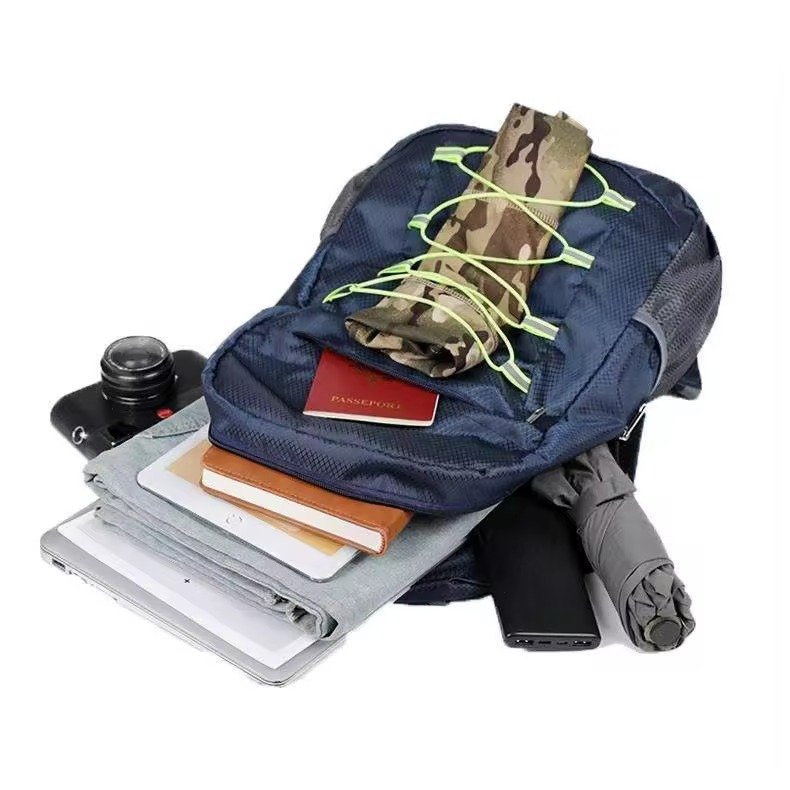
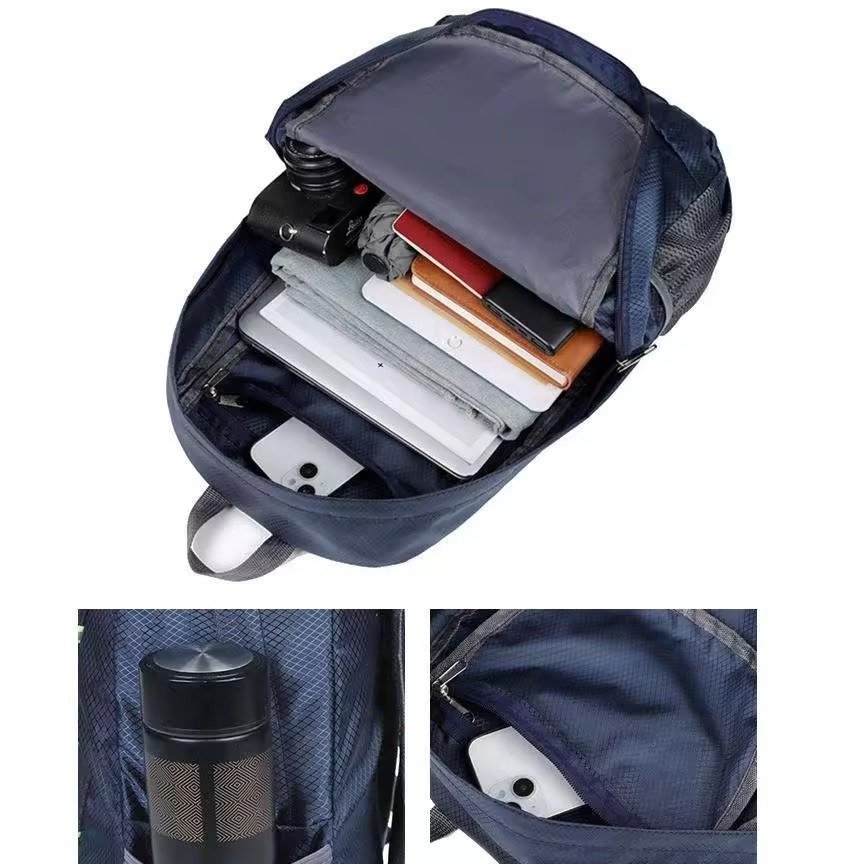
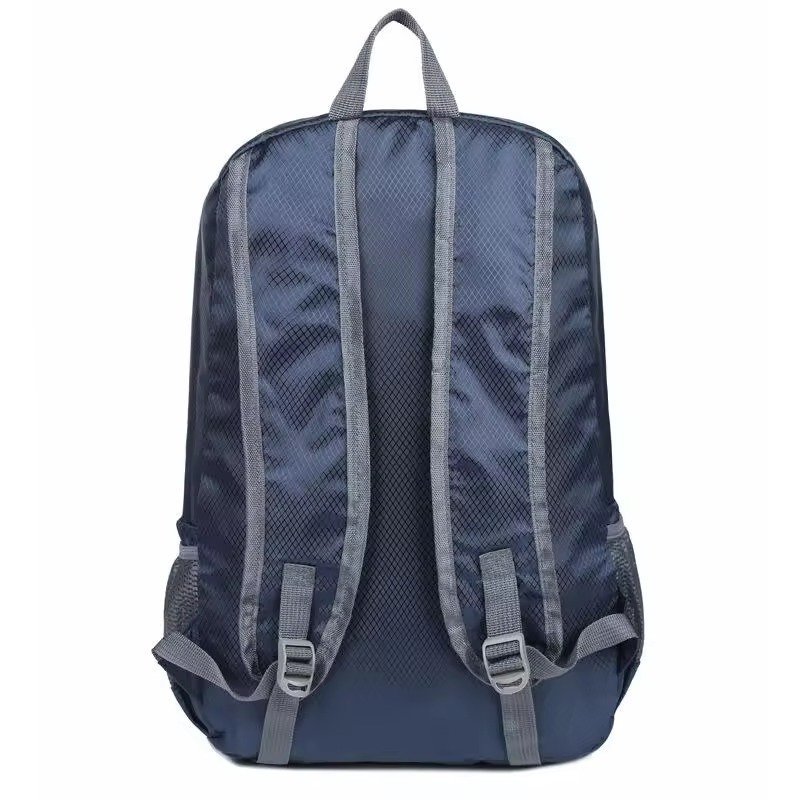
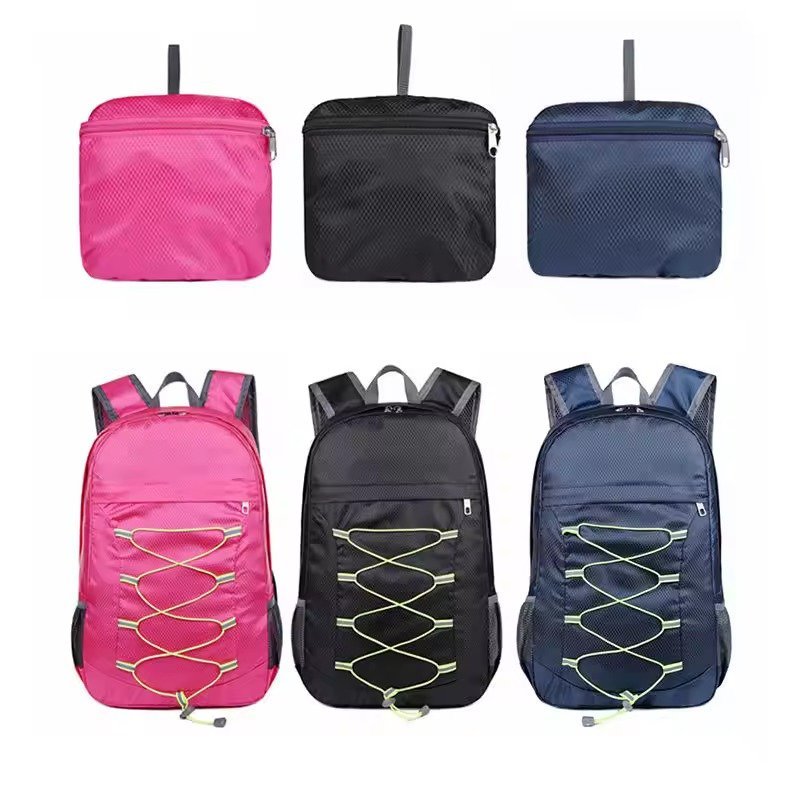
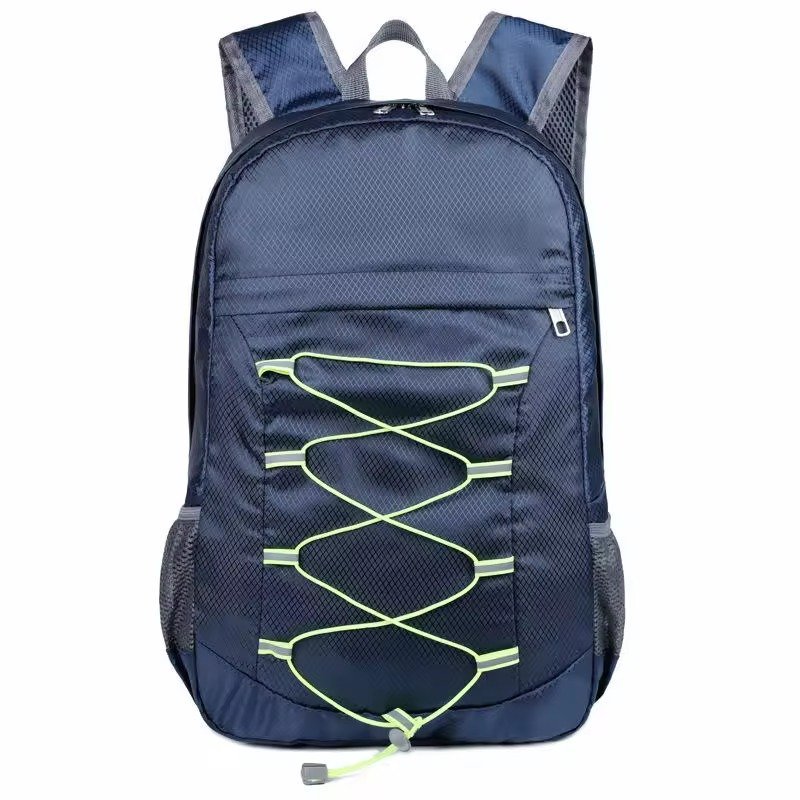
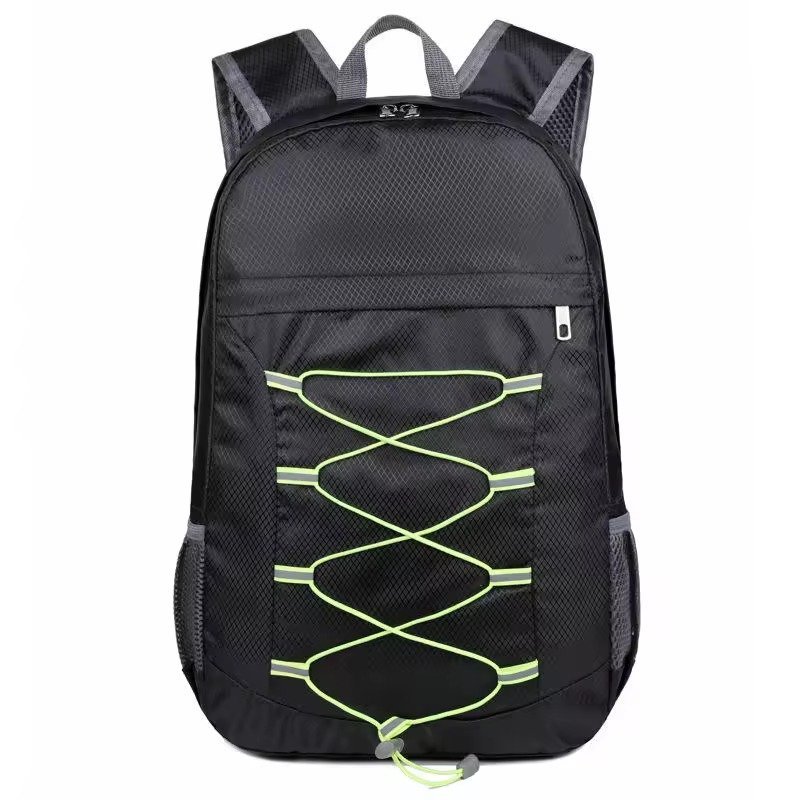
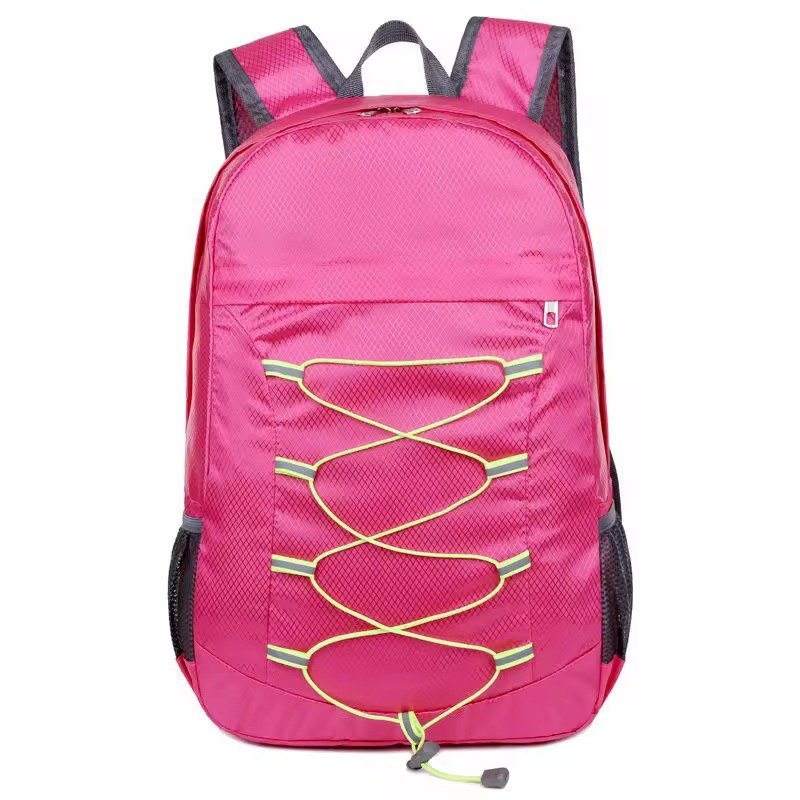
20–37L (day pack, often foldable): Built for single-day hikes, light travel, or as a packable “just in case” bag. This is where compressible, stow-in-its-own-pocket designs tend to live — a real advantage for retailers and distributors who care about shipping and shelf space as much as the product itself.
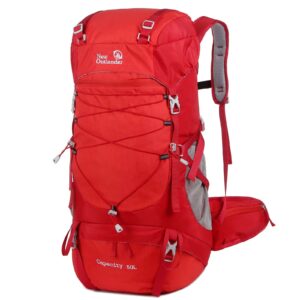
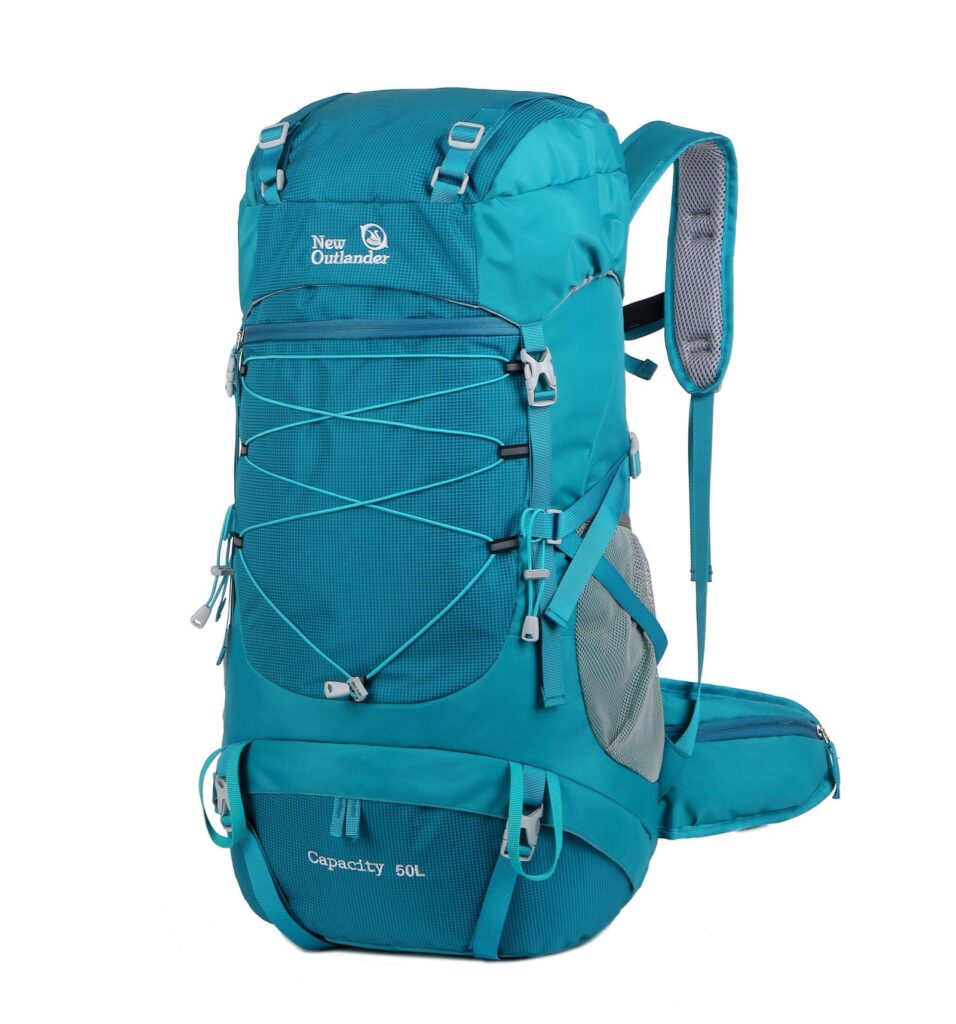
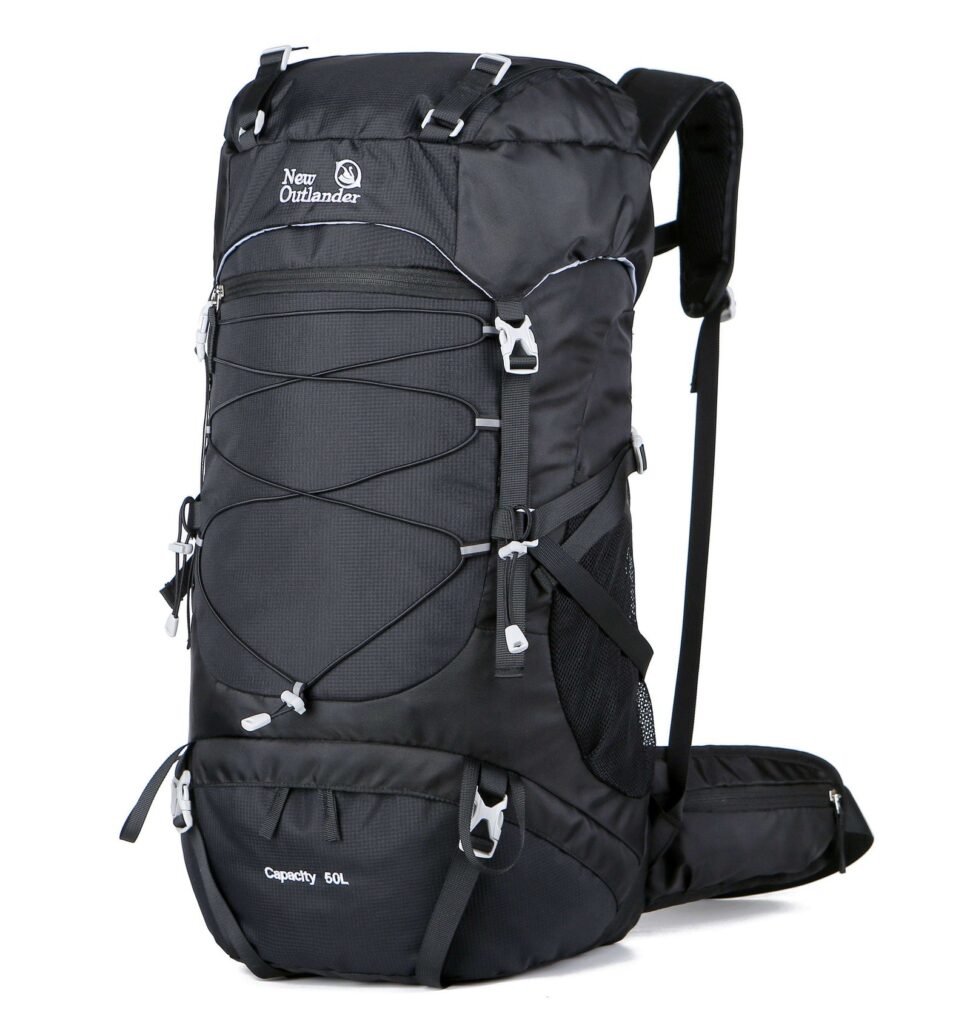
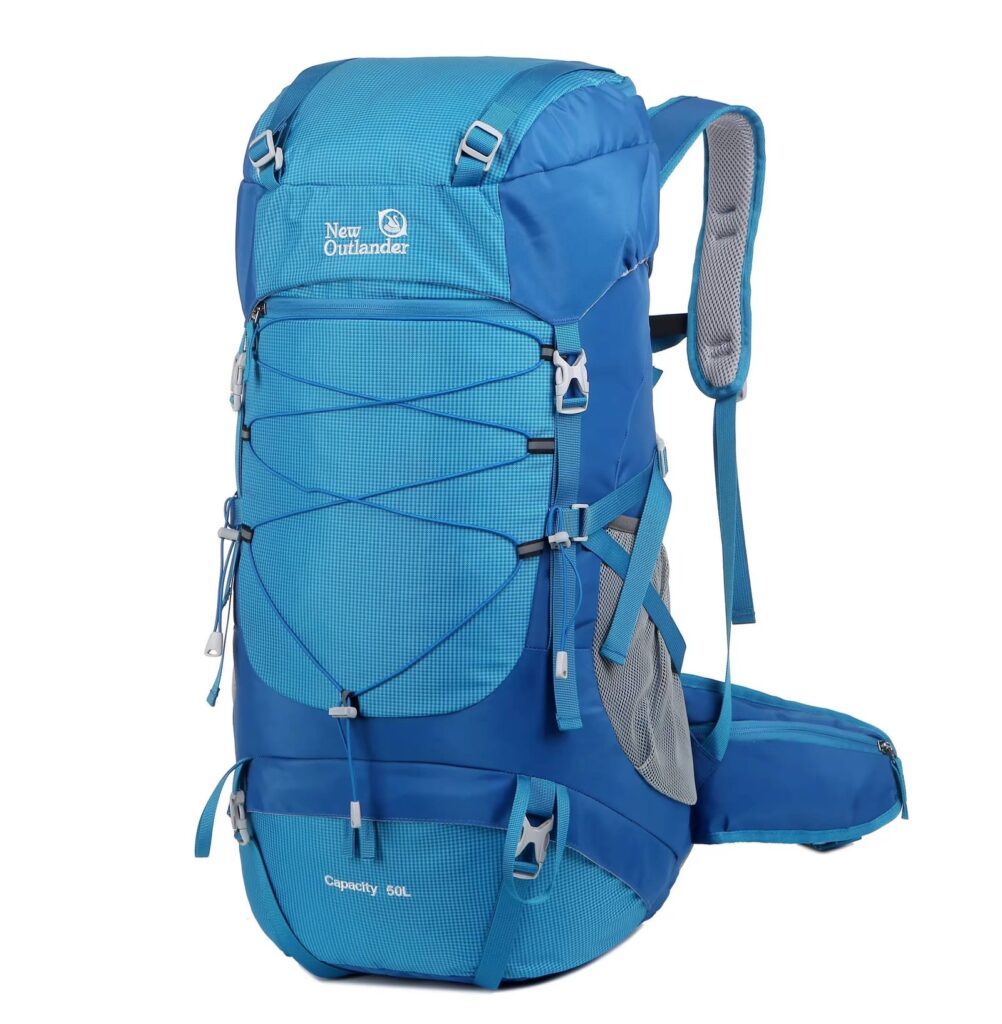
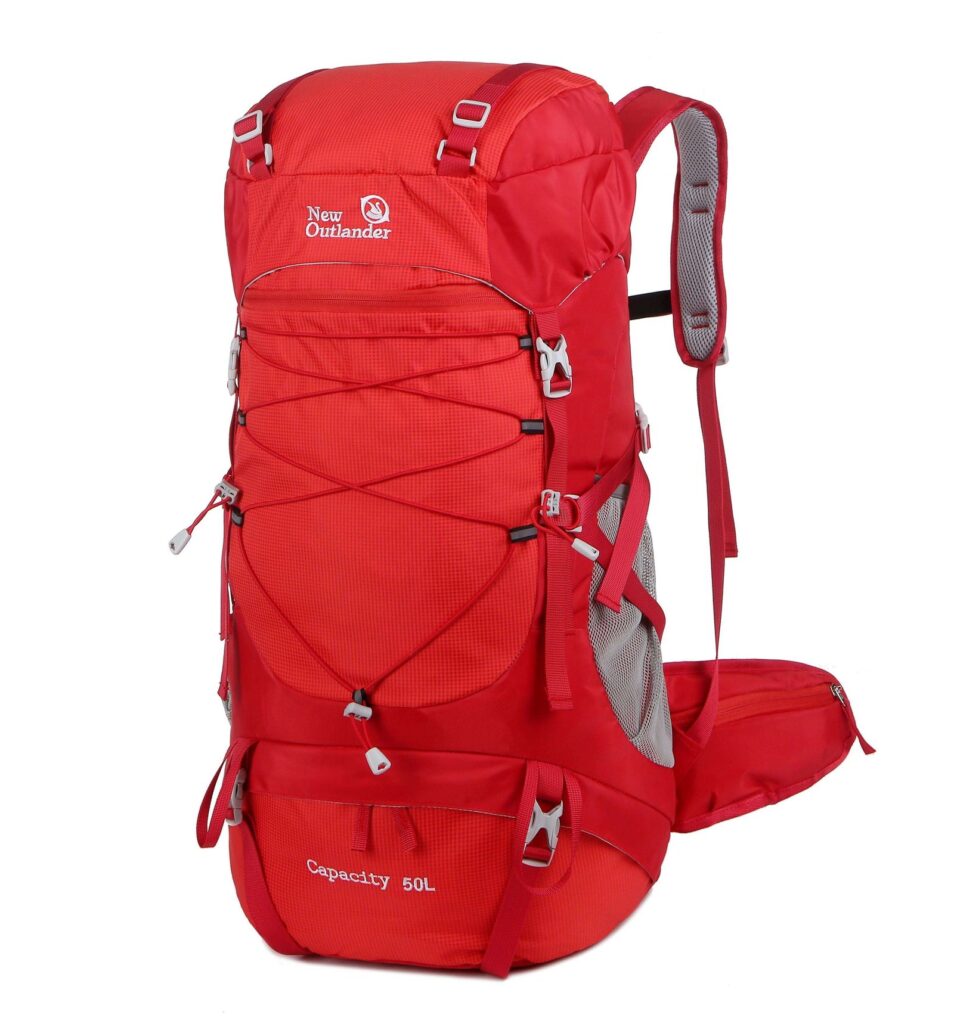
50L (midsize): The camping and multi-day-lite range. Oxford fabric shows up more often at this size, since the bag is expected to hold up under repeated loading and unloading at a campsite rather than just being carried.
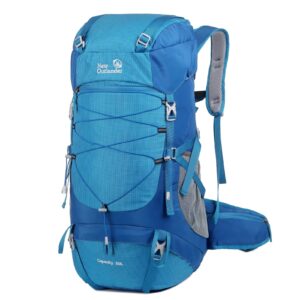
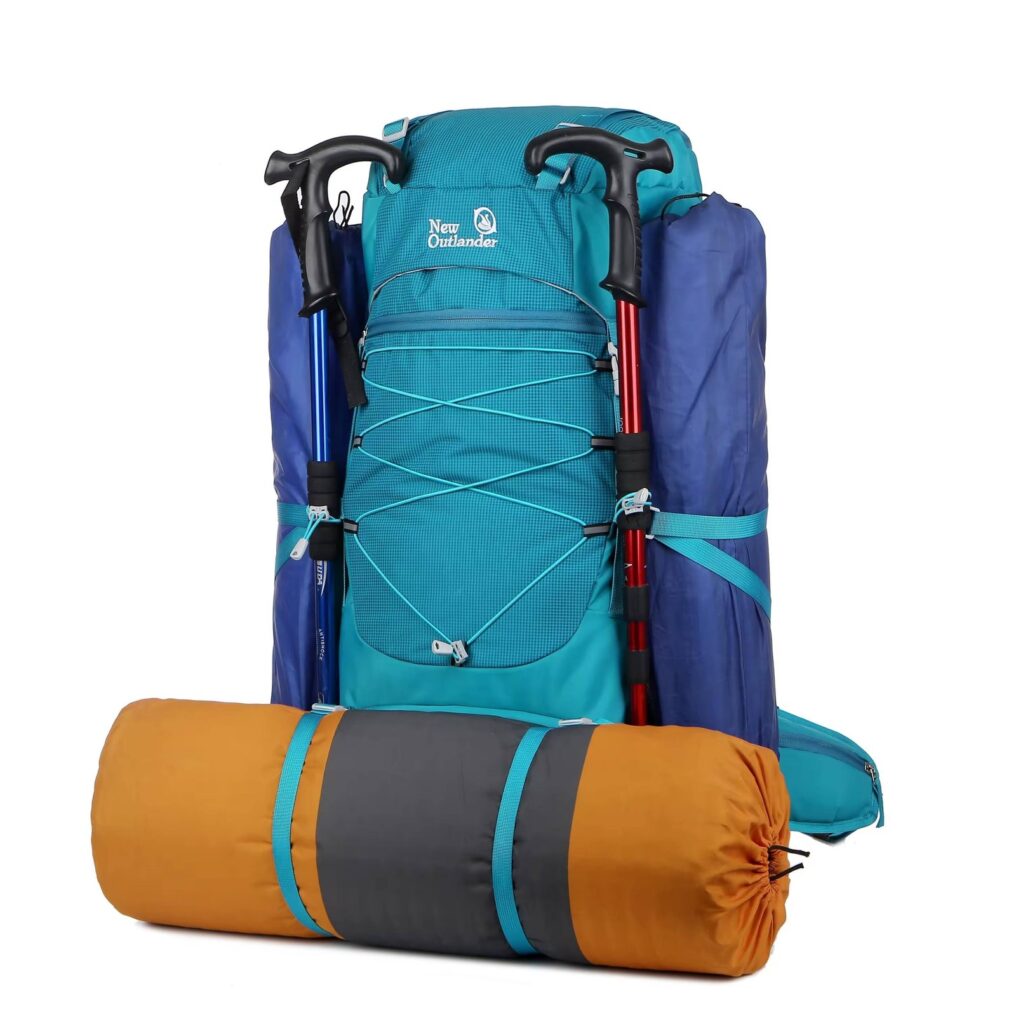
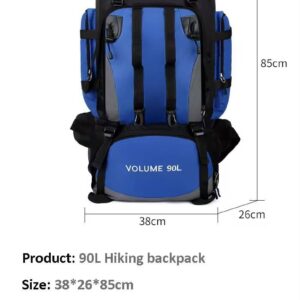
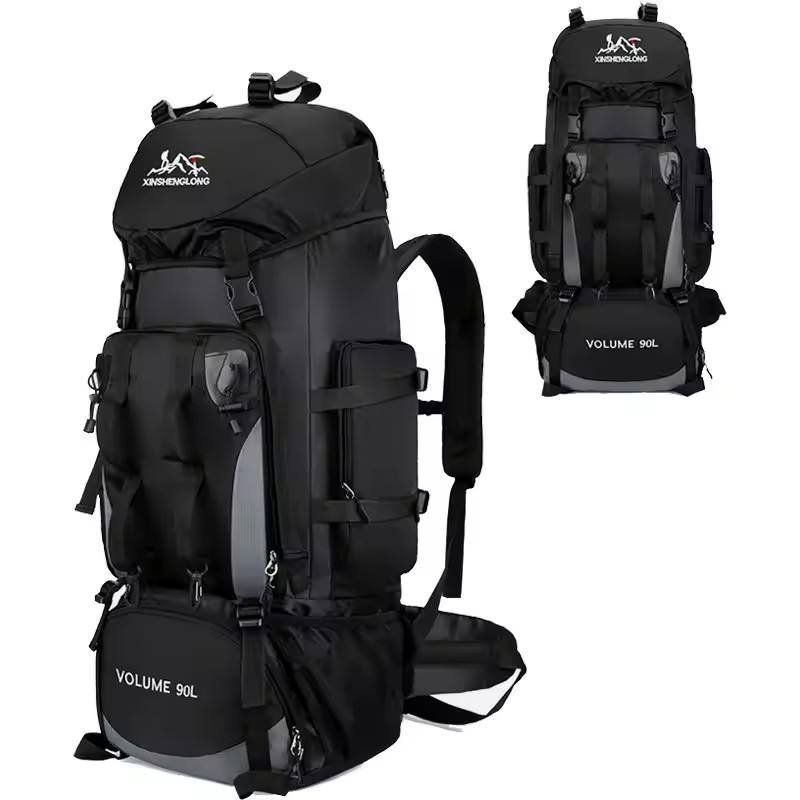
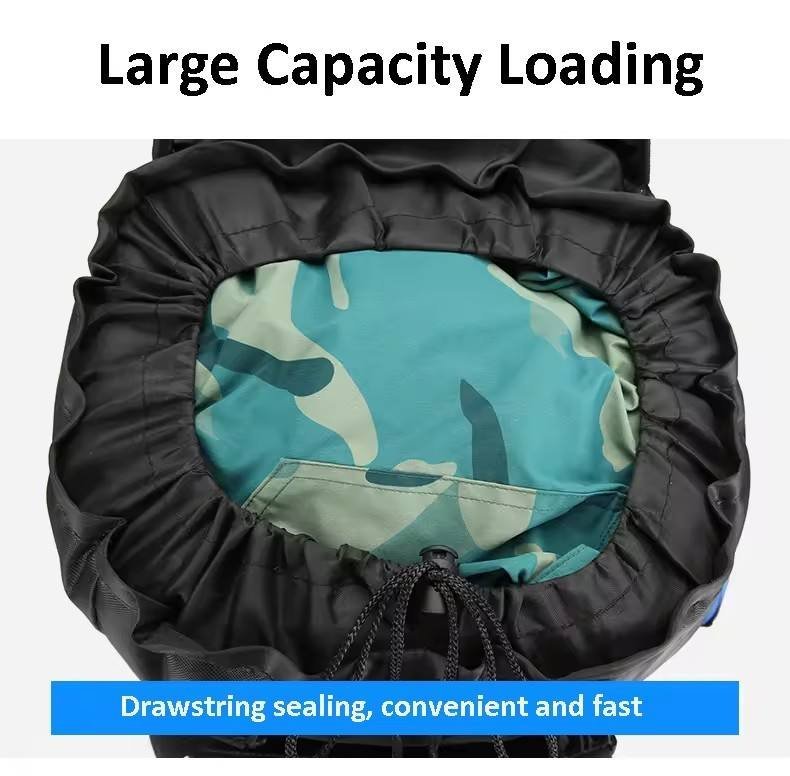
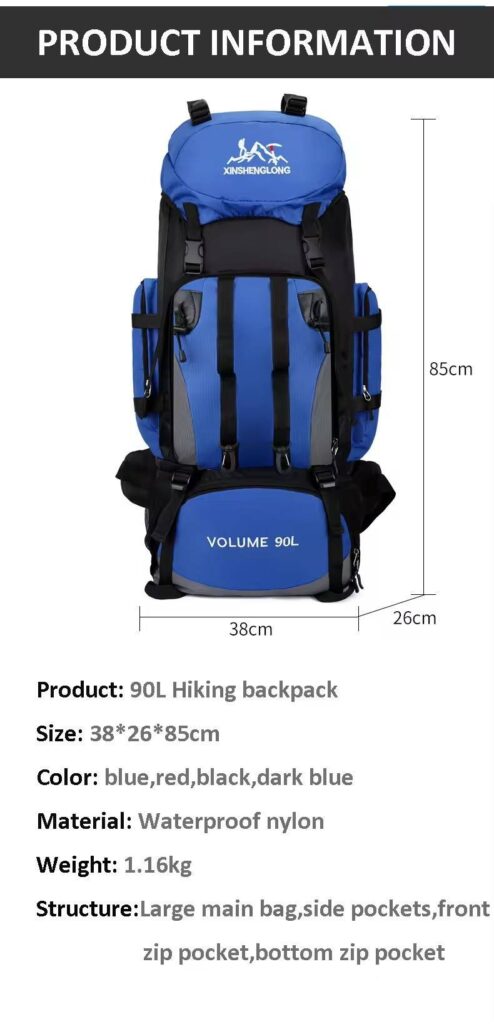
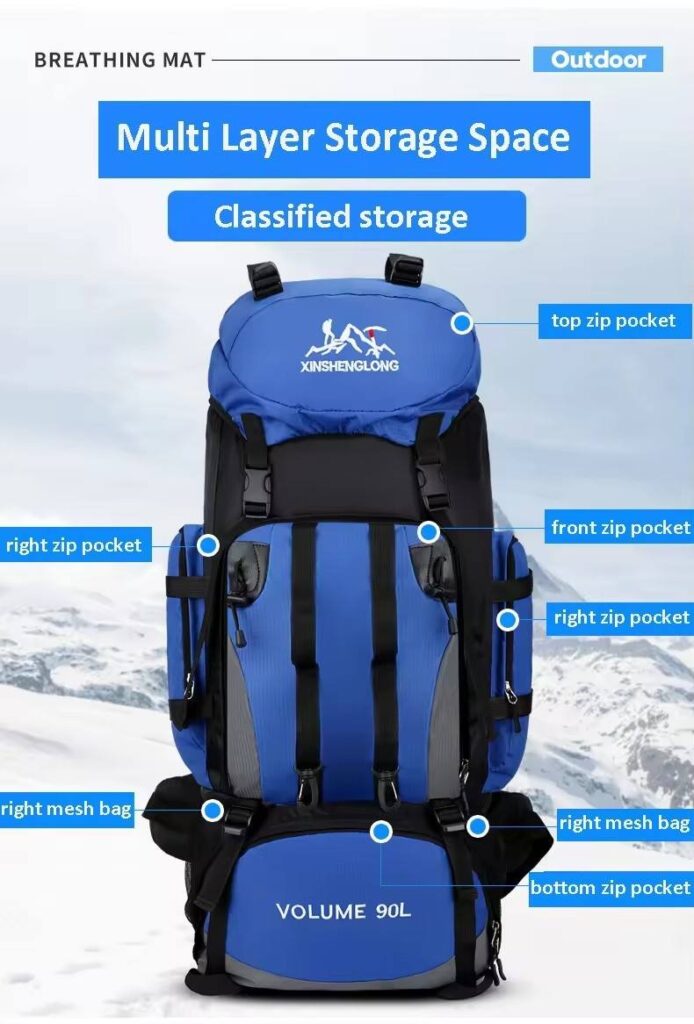
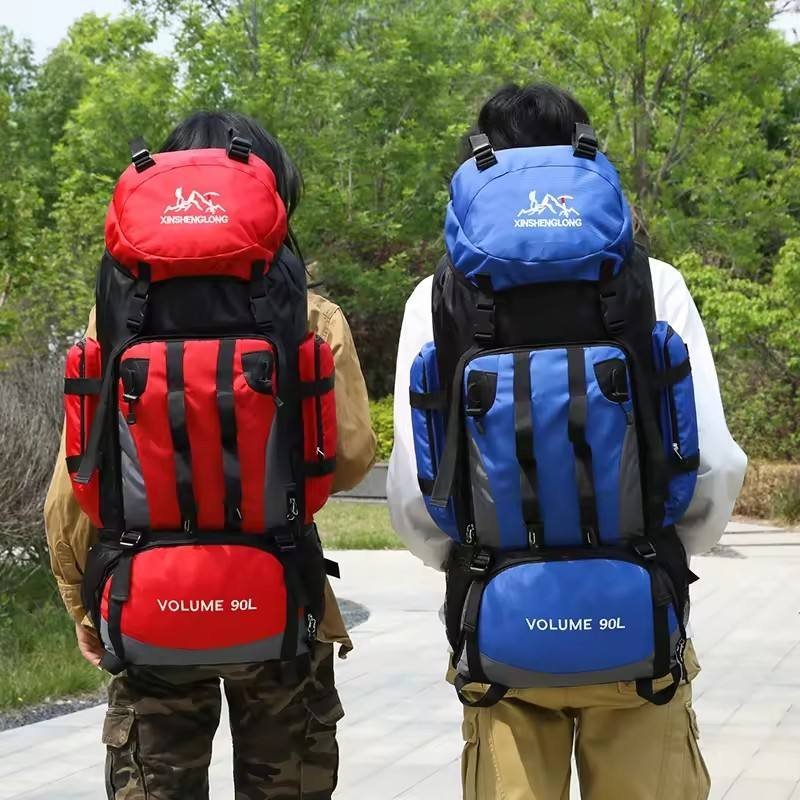
65L+ (multi-day, heavy-duty): Built for actual backpacking trips — multiple days of gear, food, and layers. This is where you’ll typically see the full feature set: rain covers, trekking pole loops, and a real support structure rather than just padded straps.
Which tier makes sense depends on who’s buying from you downstream. A retailer selling to weekend campers rarely needs to go past 50L. A brand positioning itself for serious trekkers needs the 65L+ range to be credible in that market at all. Our full hiking and trekking bag range spans all three tiers if you want to see what’s currently in production.
What Actually Makes a Bag “Hiking-Ready”?
Plenty of backpacks get marketed with outdoor styling — a muted color, a trail-sounding name — without any of the functional features that make a bag genuinely usable on a trail. Here’s what actually does that work:
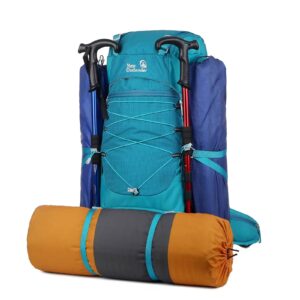
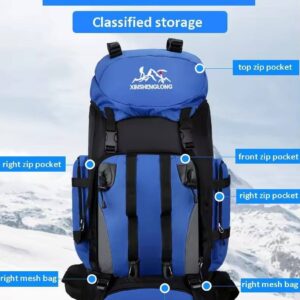
Trekking pole loops. Small attachment points, usually a loop near the base and a bungee or strap higher up, that let a hiker carry poles hands-free when they’re not in use. Cheap to add, easy to overlook if you’re not specifically asking for it.
Rain cover. This comes in two forms, and the choice matters for both cost and user experience. A built-in cover, stored in its own zippered pocket at the base of the bag, costs more to produce and adds a small amount of weight — but it can’t be lost, which matters a lot to a buyer who’s had complaints about detachable accessories going missing. A separate rain cover accessory is cheaper to make and ship, but it’s one more loose item in the box.
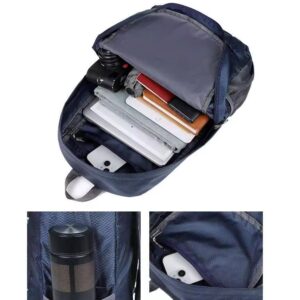
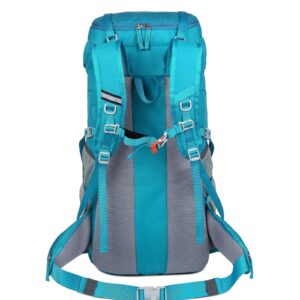
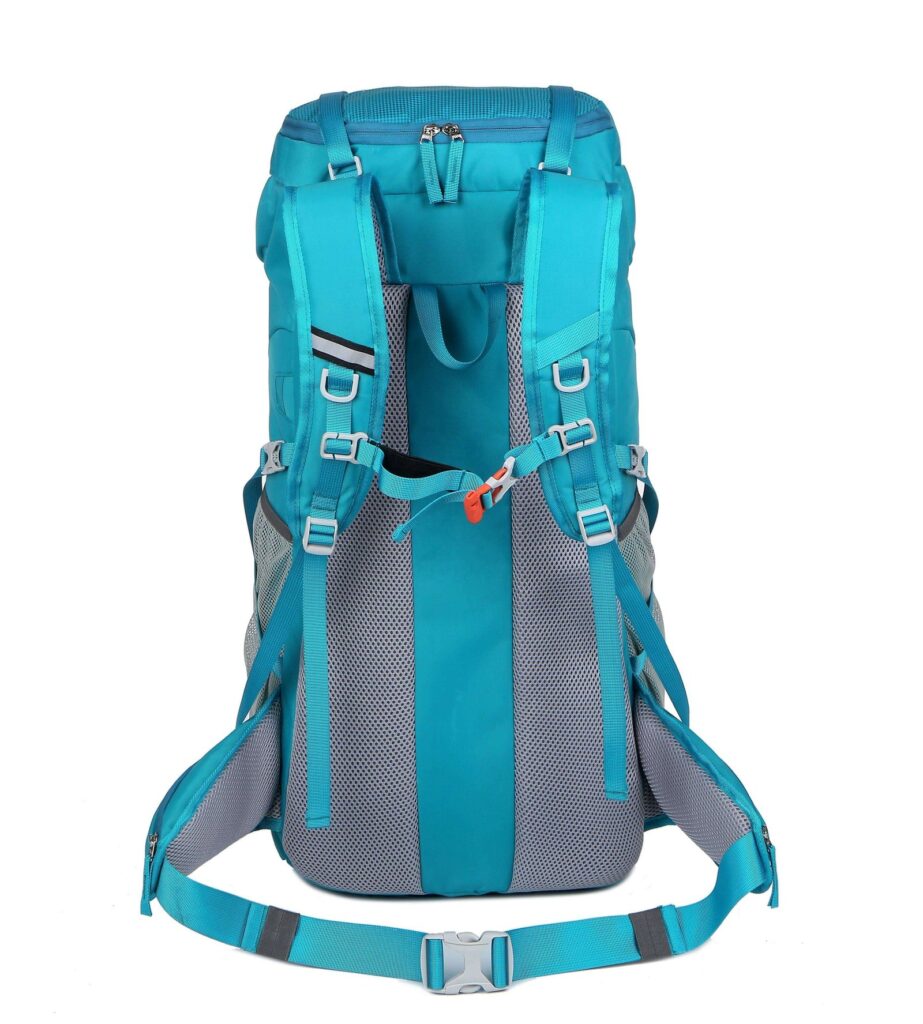
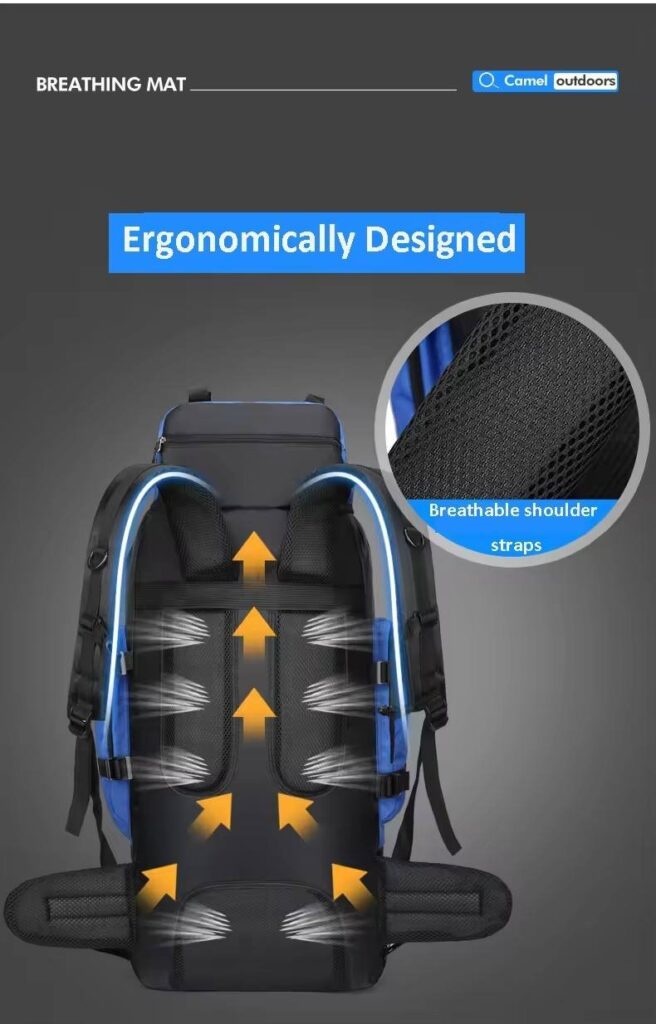
Hydration bladder compatibility. An internal sleeve sized for a water bladder, plus a port near the shoulder strap for the drinking tube to pass through. Increasingly expected on anything above day-pack size.
Compression straps. External straps that cinch the load down when the bag isn’t packed full — they keep weight close to the body and stop gear from shifting, which matters more for comfort on a real hike than it does on a casual-use backpack.
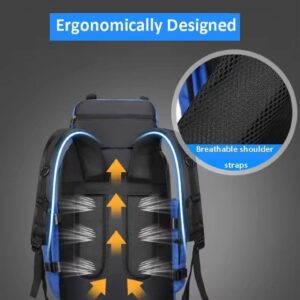
Support structure. This is the part that varies most, and it’s worth understanding the options rather than treating “frame” as one thing:
- External frame — a rigid structure outside the fabric body. Less common in current production than it used to be, but still specified for heavy, awkward loads.
- Internal frame — structural stays built into the back panel, hidden inside the fabric. This is the standard approach for most mid-to-large hiking bags today, since it distributes weight without adding bulk.
- Removable PE board — a flat, semi-rigid plastic sheet inserted into a back-panel sleeve. It’s generally a simpler, lighter alternative to metal stays, and being removable means the bag can be compressed flatter for storage or shipping — worth factoring in if you’re a distributor thinking about packing efficiency, though the actual cost and space savings are worth confirming with us against your specific spec rather than assuming a fixed number.
Nylon or Oxford — Which Fabric Fits Your Order?
The choice here isn’t “which fabric is better” — it’s a weight-versus-durability trade-off, and the right answer depends on how the bag will actually be used.
Nylon is the lighter option, and it’s what you’ll see on foldable, packable day-pack designs where the whole point is that the bag compresses down small. It’s a reasonable fit for lighter-duty use, but it isn’t the fabric to specify if the bag is going to see years of repeated abrasion against rock, gear, or vehicle interiors.
Oxford fabric trades some of that weight savings for abrasion resistance, which is why it shows up more on midsize and multi-day bags that are expected to hold up under heavier, more frequent use. It’s the more durable choice, at a small cost in pack weight.
Neither is a wrong answer — a distributor stocking lightweight day packs for casual weekend use has a different fabric priority than a brand building a bag meant to survive a multi-week trek.
What’s the MOQ, Really?
MOQ for custom hiking bags depends less on order size than on customization level — the same logic that applies across our backpack range. The short version: 50 units if you’re using an in-stock base bag with a heat-transfer logo. Beyond that, it depends on what you’re changing and how — and one detail worth flagging upfront: heat transfer doesn’t work equally well on every fabric. Coated or waterproof-finished nylon in particular can resist the adhesive used in heat-transfer printing — the same durable water-repellent (DWR) treatment that keeps rain out also tends to keep the transfer from bonding properly, which is why heavily coated technical fabrics are generally listed as poor candidates for this printing method. If your target bag has a DWR or waterproof coating, it’s worth confirming logo method compatibility before locking in a design — embroidery or a woven patch is often the more reliable choice on that kind of fabric.
Beyond that starting point, MOQ looks different depending on who’s asking:
Brands and distributors building an ongoing line: you’re likely moving past a single stock SKU anyway — custom colors, your own hardware finish, or a specific fabric spec. That puts you in full-custom territory, which typically starts around 500 units, similar to what we see across other bag categories.
Amazon and DTC sellers private-labeling a design: if an existing template in our range fits your listing and the fabric supports your branding method, 50 units on heat transfer is a realistic starting point — one of the more accessible entry points for testing a new SKU without over-committing on inventory.
Small-batch and event buyers (roughly 100–200 units): yes, this is a real order size we take, not just a number that technically exists on paper. It sits comfortably above the 50-unit stock-plus-heat-transfer minimum, so it’s usually workable on an existing base bag with your logo — you’re just not yet at the volume where a fully custom build makes sense.
What Actually Drives the Price?
Capacity is the one predictable lever here — a bigger bag uses more material, and that scales in a straightforward way. Past that, honestly, there isn’t a single factor that explains the rest of the spread between quotes. It’s closer to “you get what you pay for” than it is to a clean formula: fabric grade, hardware grade, and design complexity each add their own increment, and they compound.
A couple of concrete examples of what that looks like in practice:
- Hardware grade. An aviation-grade aluminum D-ring buckle costs a few dollars per unit; a standard plastic or steel buckle runs closer to one or two dollars. Webbing and strap material, by comparison, tends not to swing the price much either way — the buckles and hardware are where the real spread shows up.
- Color-matched hardware. If you want buckles, zipper pulls, or trim color-matched to your bag rather than using standard stock colors, that usually means custom sourcing or a small custom run on the hardware itself — which adds cost beyond what the fabric or size alone would suggest.
- Fabric grade. Even at the same capacity, a lower-grade fabric and a premium one can differ substantially in price — this is often a bigger swing than people expect going in.
The honest answer, if you’re trying to estimate a quote before you have a full spec: size gets you in the right ballpark, and everything else is additive from there. Send us the actual details and we’ll give you a real number rather than a guess.
OEM or ODM — Does It Matter for Your Order?
Not as much as buyers assume going in. If an existing hiking bag in our range is close to what you need — same basic structure, your branding and color — that’s an ODM order, and it moves faster. If you need something our current range doesn’t cover — a different frame system, added hardware, a structural change — that becomes an OEM project with sampling and development time built in. For the fuller breakdown of how each model works, see our OEM vs ODM Guide.
What Should You Ask Before You Commit?
A few questions worth resolving before you finalize a spec:
- Does the fabric you want support the branding method you want? As covered above, coated or waterproof fabrics and heat transfer don’t always get along — confirm this before a sample gets made with the wrong combination.
- Built-in or separate rain cover? This is a real cost-versus-convenience trade-off, not just a spec line — decide based on how much you’re willing to pay to eliminate a “lost accessory” complaint down the line.
- Which support structure actually fits your use case and your shipping math? A removable PE board is generally simpler and packs flatter; an internal frame holds shape better under heavy loads. If you’re a distributor thinking about container efficiency, that trade-off is worth a real conversation with us, not a default choice.
- What’s your actual order size, and does it match a stock base bag or a fully custom build? Being upfront about whether you’re testing 100-200 units or planning a recurring 500+ unit order changes which path makes sense from the start.
For a broader checklist on evaluating any manufacturing partner — production capacity, quality control, communication — see our guide to evaluating a reliable bag manufacturer.
Frequently Asked Questions
What’s the minimum order for a custom hiking bag? 50 units if you’re using an in-stock base bag with a heat-transfer logo, provided the fabric supports heat transfer. Fully custom builds — new colors, hardware, or structural changes — typically start around 500 units.
Can you actually do small orders for a one-time event (100-200 units)? Yes. That order size sits above our 50-unit stock-and-heat-transfer minimum, so it’s usually workable on an existing base bag with your logo, without needing to commit to a fully custom build.
Is nylon or Oxford fabric better for a custom hiking bag? Neither is universally better — it’s a weight-versus-durability trade-off. Nylon is lighter and suits packable day packs; Oxford is heavier but more abrasion-resistant, which suits midsize and multi-day bags built for repeated heavy use.
What actually determines the price beyond bag size? There’s no single factor — fabric grade, hardware grade (like aviation-grade versus standard buckles), and design complexity like color-matched hardware all add up. It’s closer to “you get what you pay for” than a fixed formula.
Does every hiking bag need an internal frame? No. A removable PE board is a simpler, generally lighter way to add structure, and it can be taken out to pack the bag flatter. An internal frame holds shape better under heavier loads. Which one fits depends on your use case and your logistics, not just your budget.
Ready to talk through a spec? Browse our full outdoor bags range or contact us directly with your target capacity, fabric preference, and order size, and we’ll walk you through MOQ and pricing for your specific build.