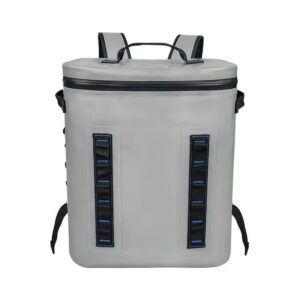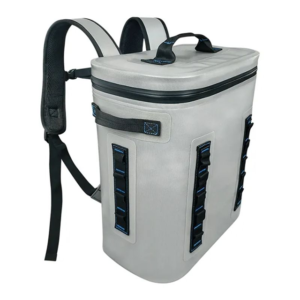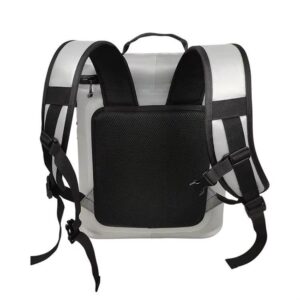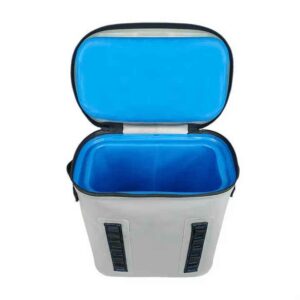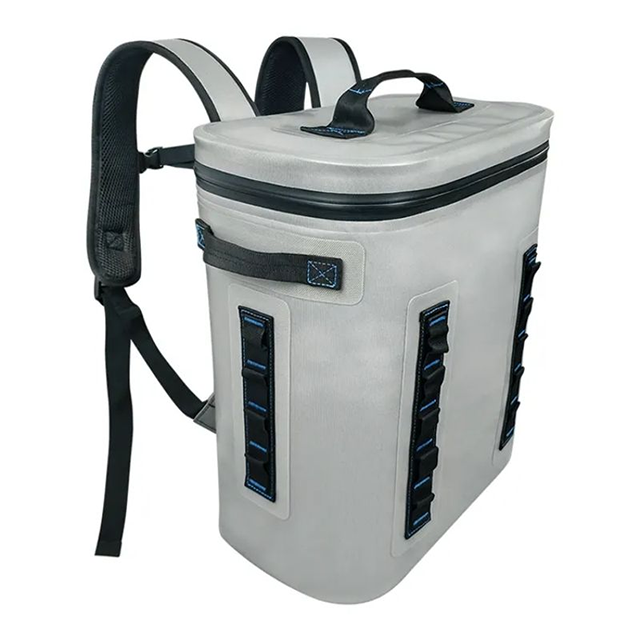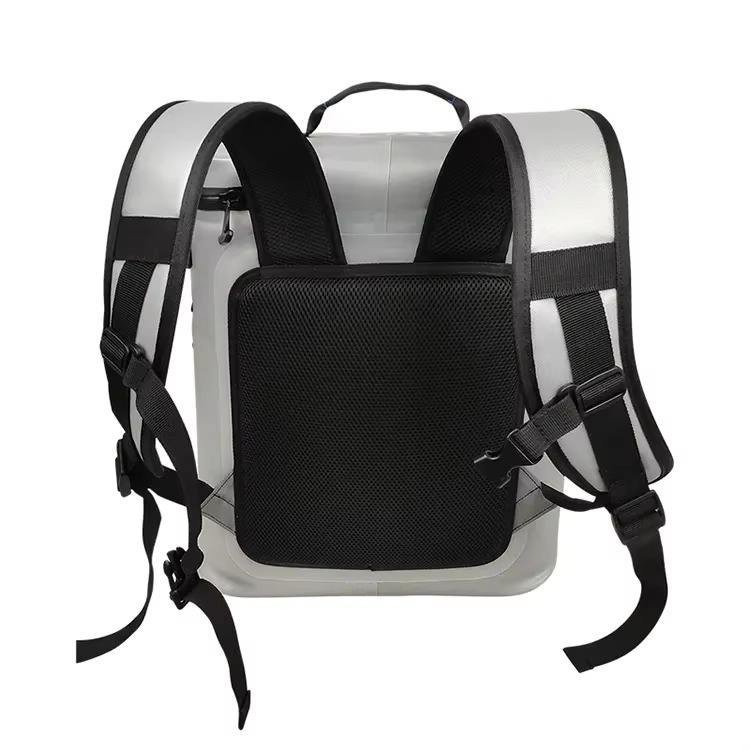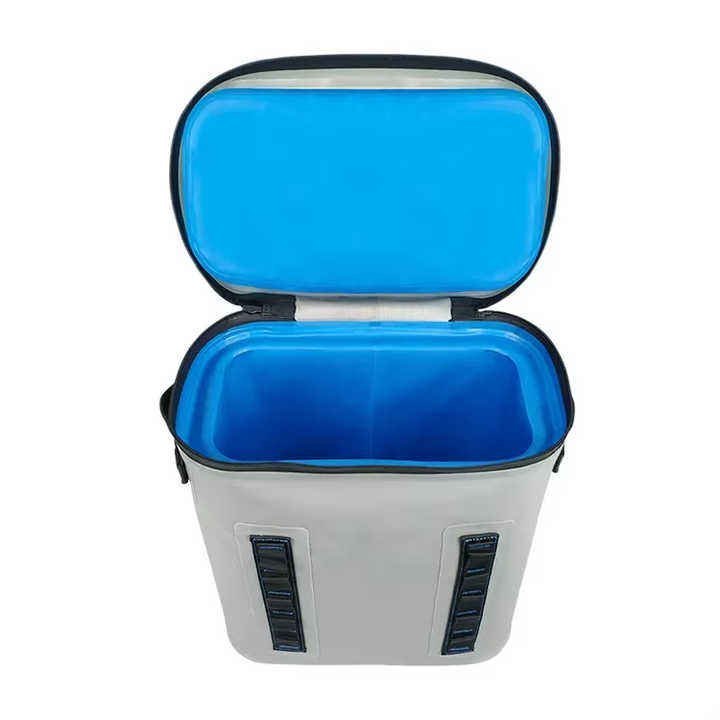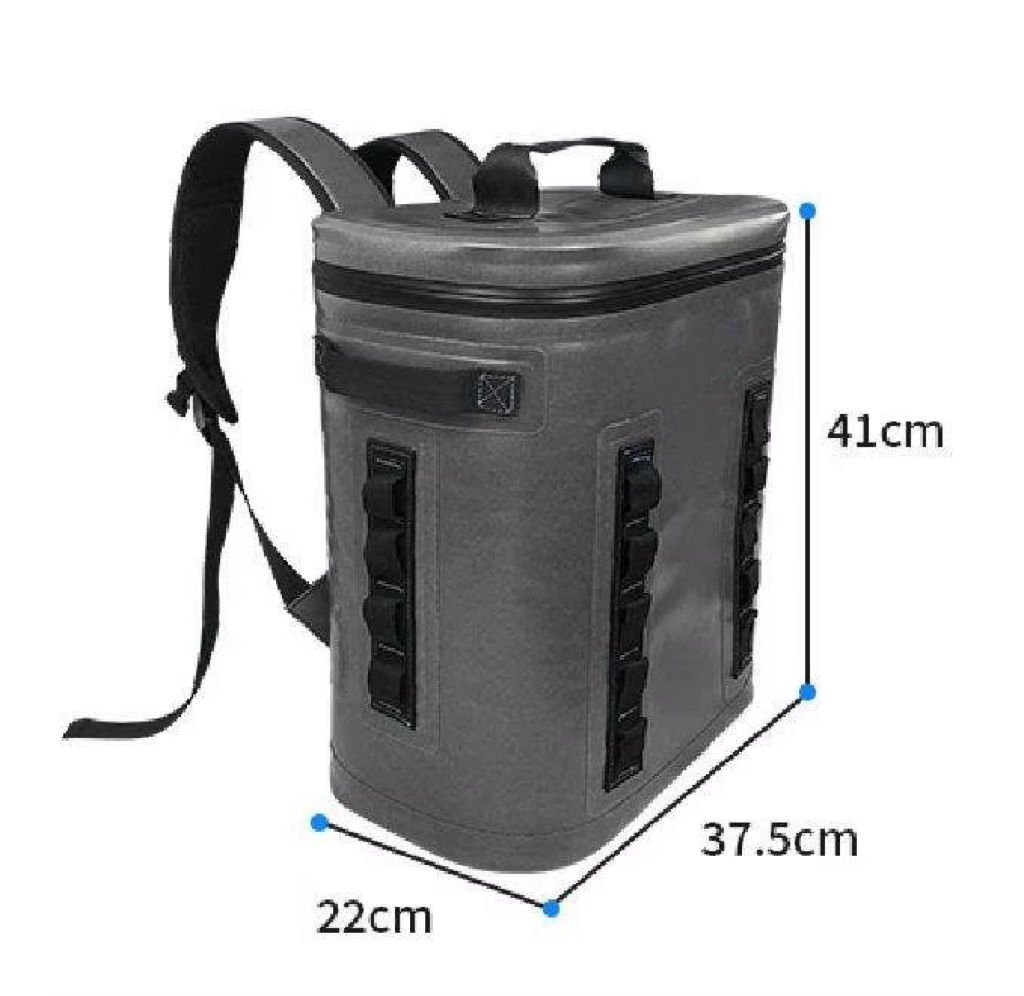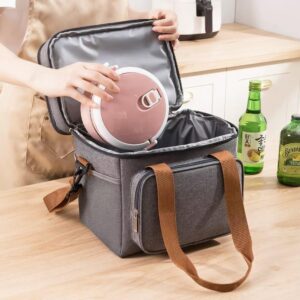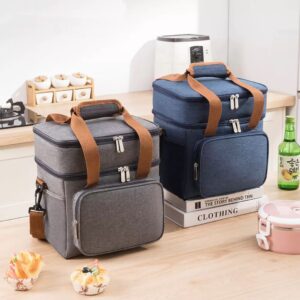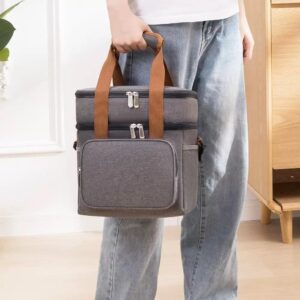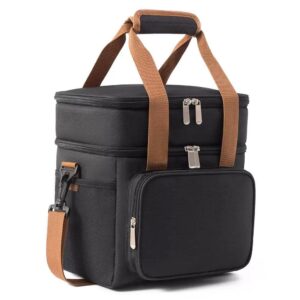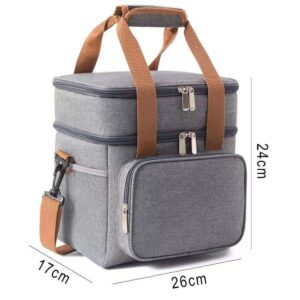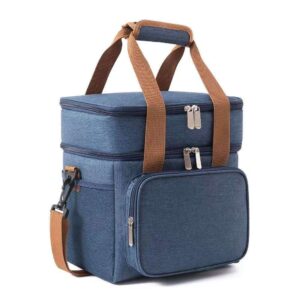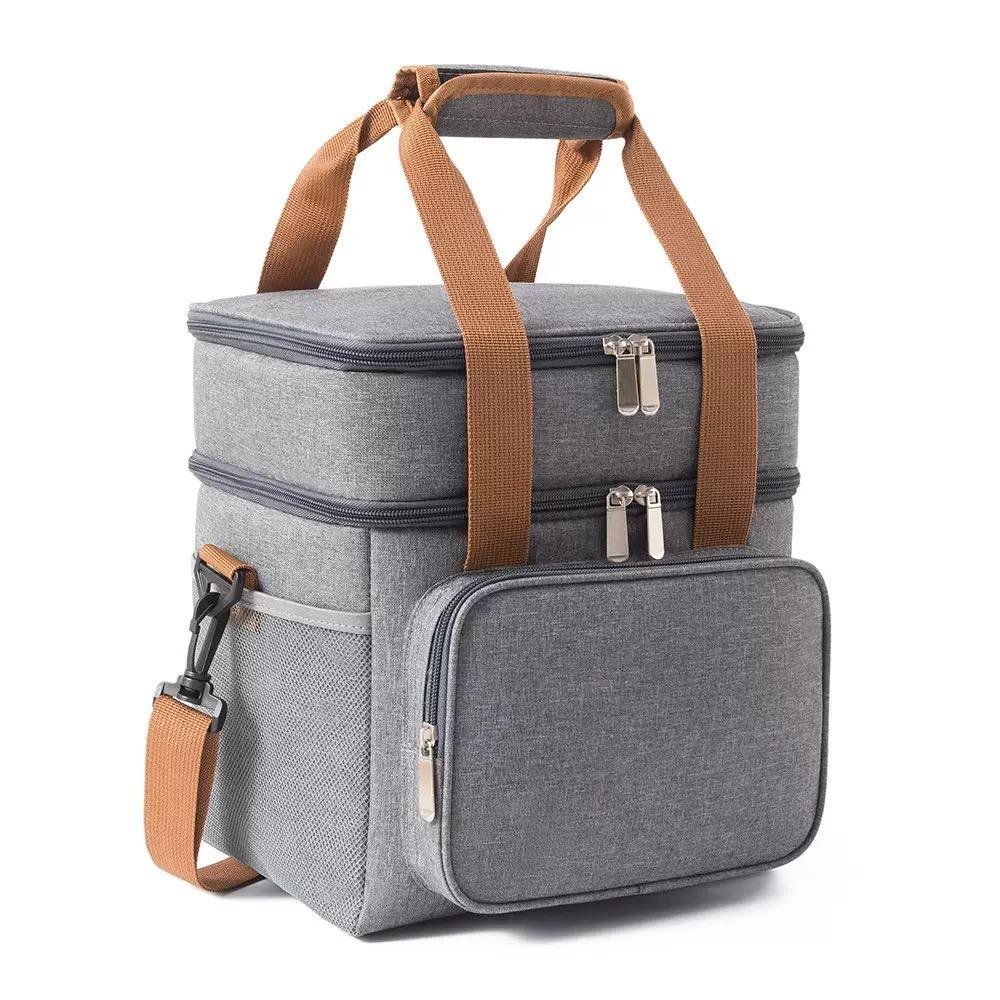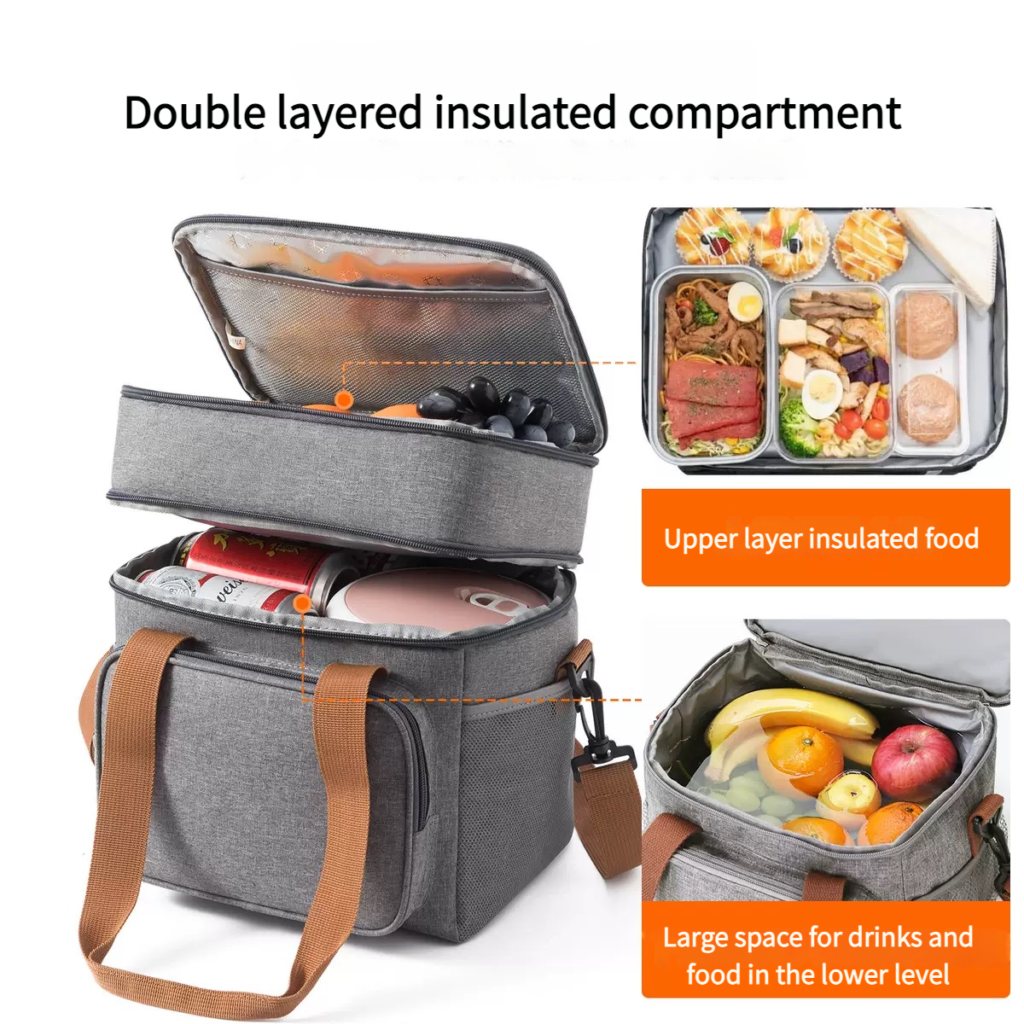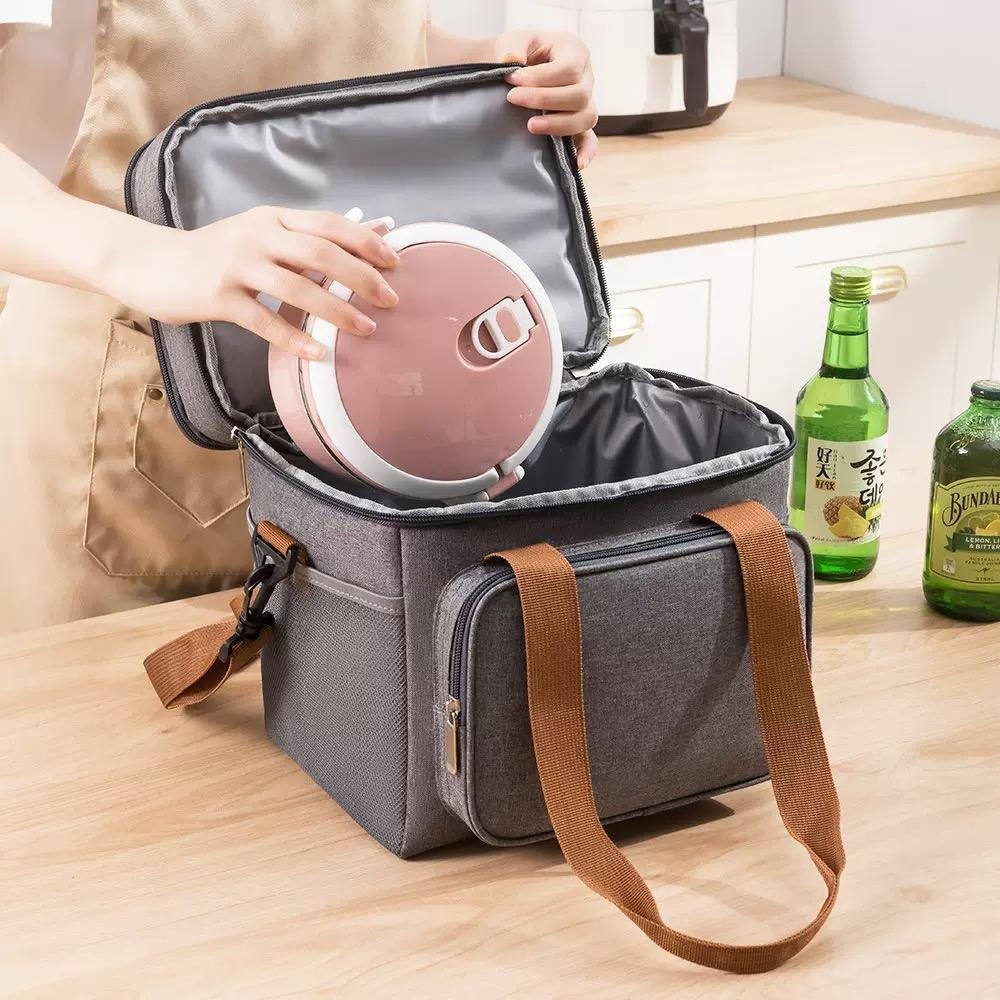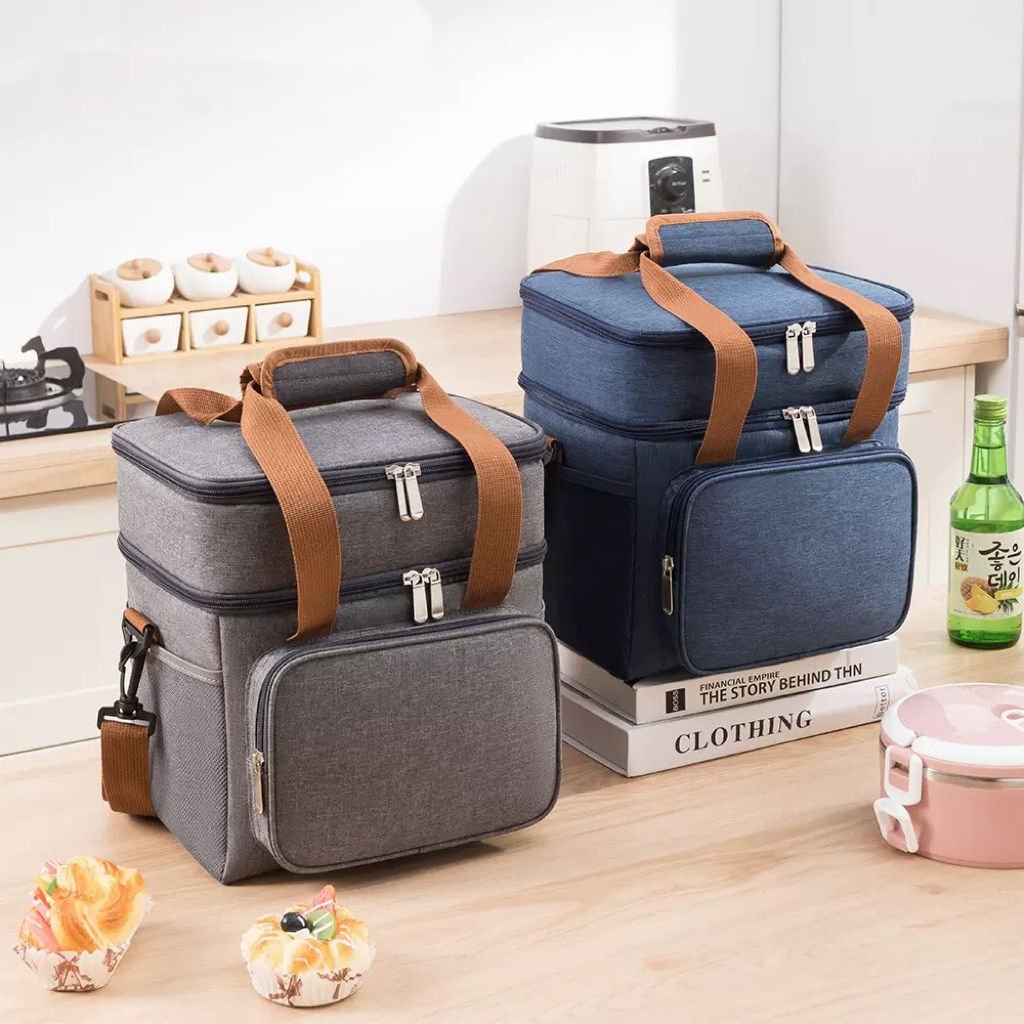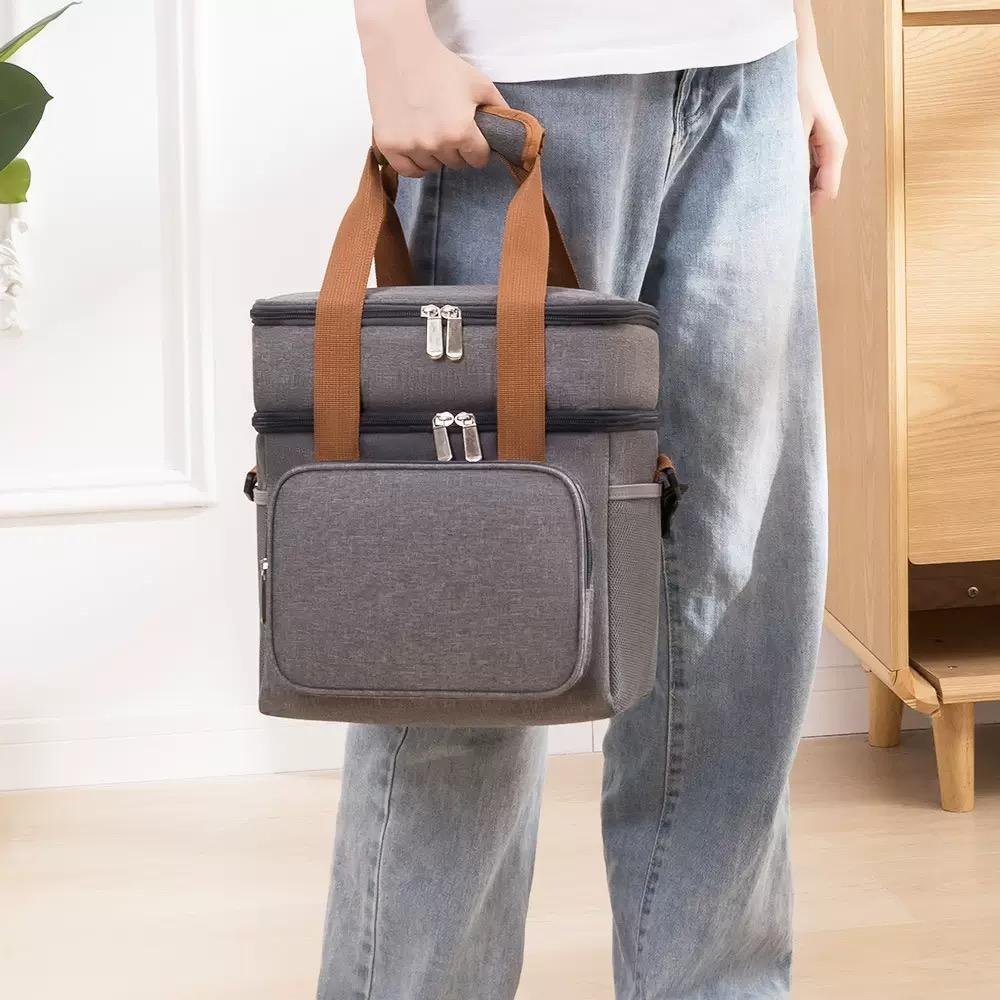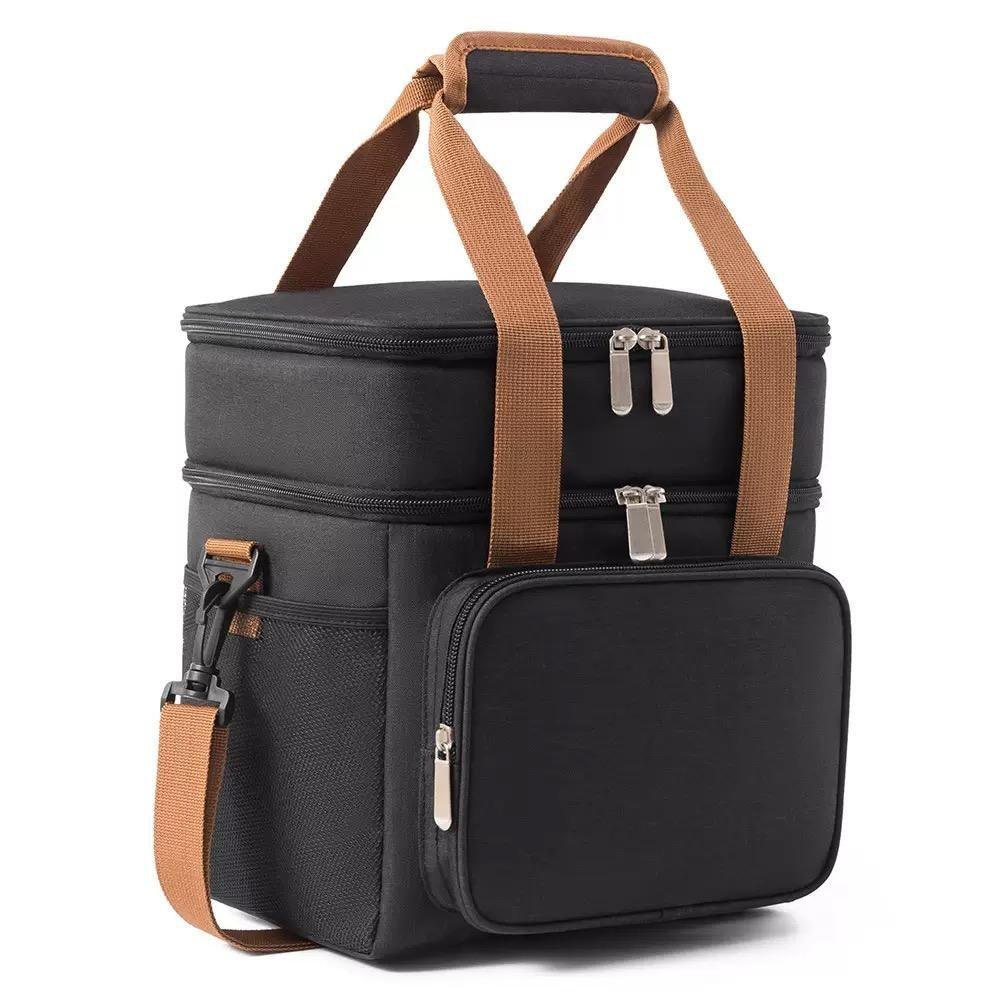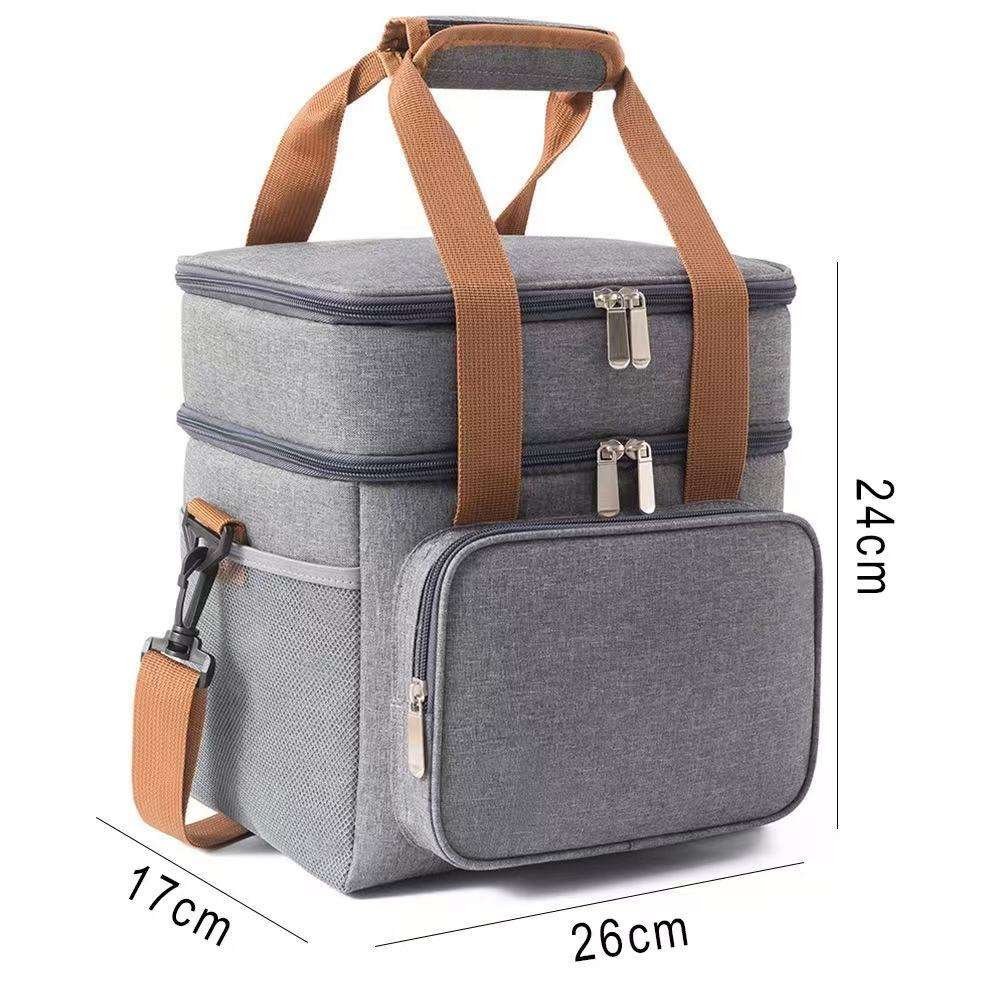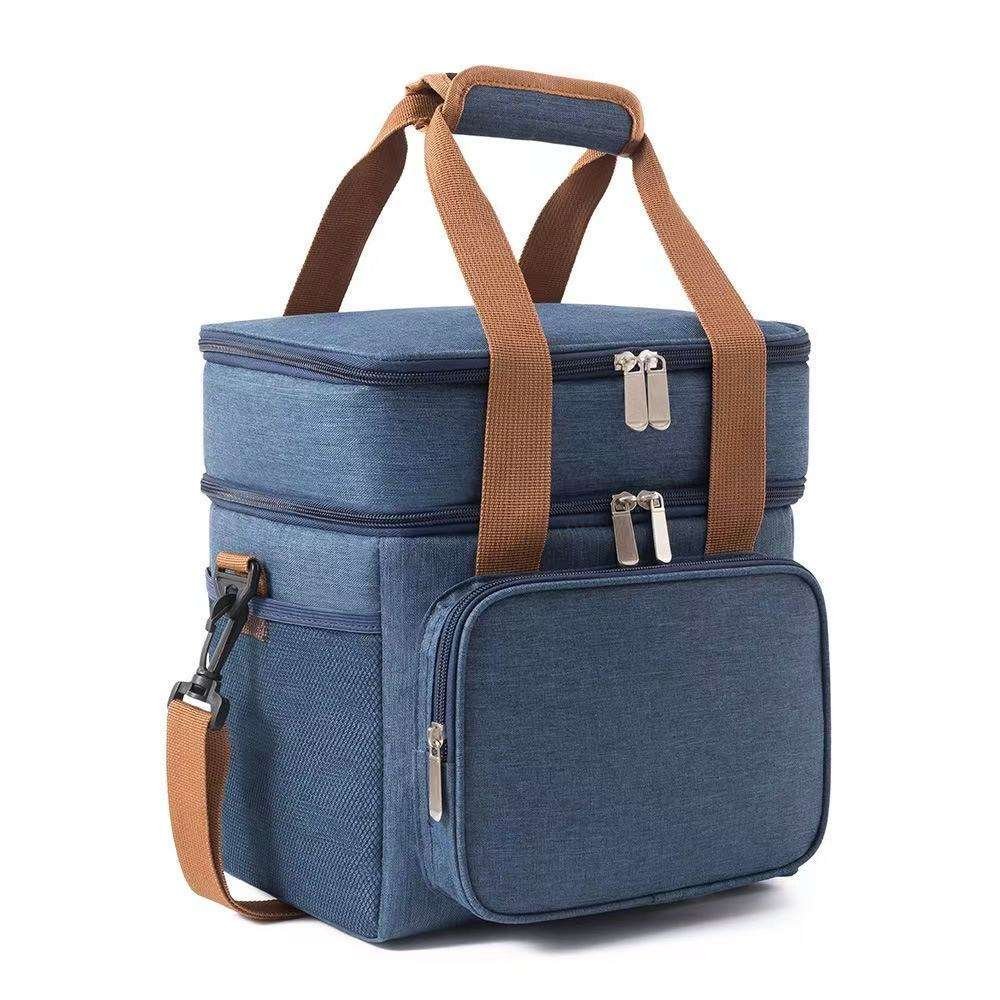
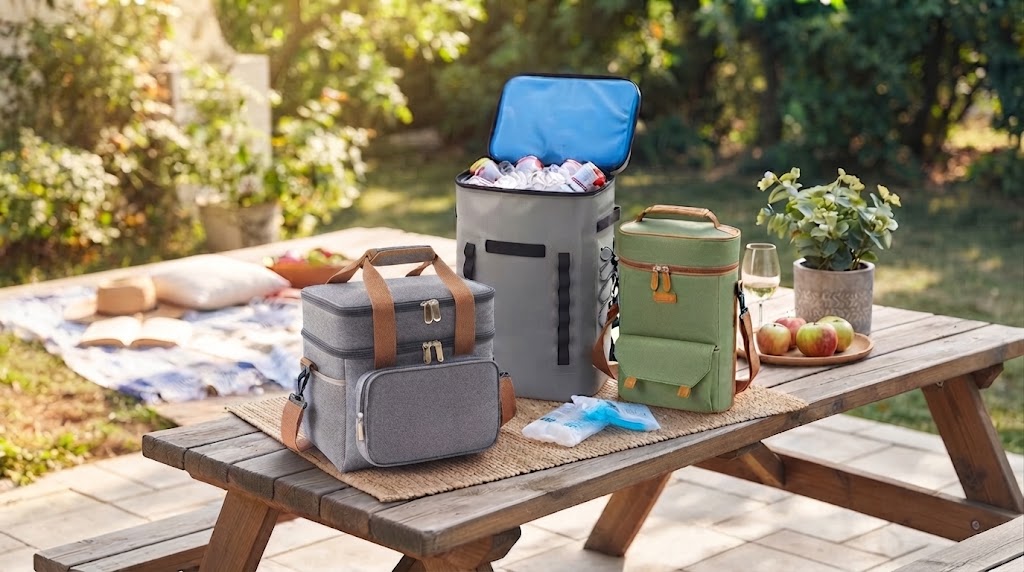
Custom cooler bags all look roughly the same in a product photo — insulated lining, a zipper, a strap. What actually separates a good sourcing decision from a bad one comes down to three things buyers rarely think about until they’re already mid-negotiation: what the bag is actually made of (which decides both performance and price), how customization level — not order size alone — sets your real MOQ, and what’s driving the quote once capacity stops being the main variable.
This guide walks through all three. If you’ve already read our deep dives on how long cooler bags actually keep food cold, fabric options and OEM/ODM production, or how to pick the right type for your business, this is the piece that ties those together and fills in what none of them cover: MOQ logic and real pricing structure.
OEM or ODM? Why Most Buyers Never Actually Need to Choose
Ask most buyers whether they want OEM or ODM manufacturing and you’ll get a blank look — and honestly, that’s fine. In practice, almost nobody walks in asking for one or the other. They describe what they want: “a cooler backpack that fits under an airline seat,” “something our field reps can carry with one hand,” “a leakproof liner because the last supplier’s bags sweated through.”
From there, the split happens on our side, not the buyer’s. If what you’re describing is close enough to an existing template — same basic structure, just your logo, your colors, maybe a strap swap — that’s an ODM order, and it moves fast. If it involves something our current lineup genuinely can’t do — a feature, a shape, a hardware combination that needs new engineering — that becomes an OEM project, with sampling and development time built in.
The practical upshot: don’t spend time trying to label your own request. Describe the bag you actually need, including anything unusual, and the OEM/ODM classification sorts itself out. (If you want the fuller breakdown of what separates the two approaches — including where the cost and timeline differences come from — see our OEM vs ODM manufacturing guide and the Portable Cooler Bag Manufacturer Guide, which covers this specifically for cooler bags.)
What Actually Drives MOQ for Custom Cooler Bags
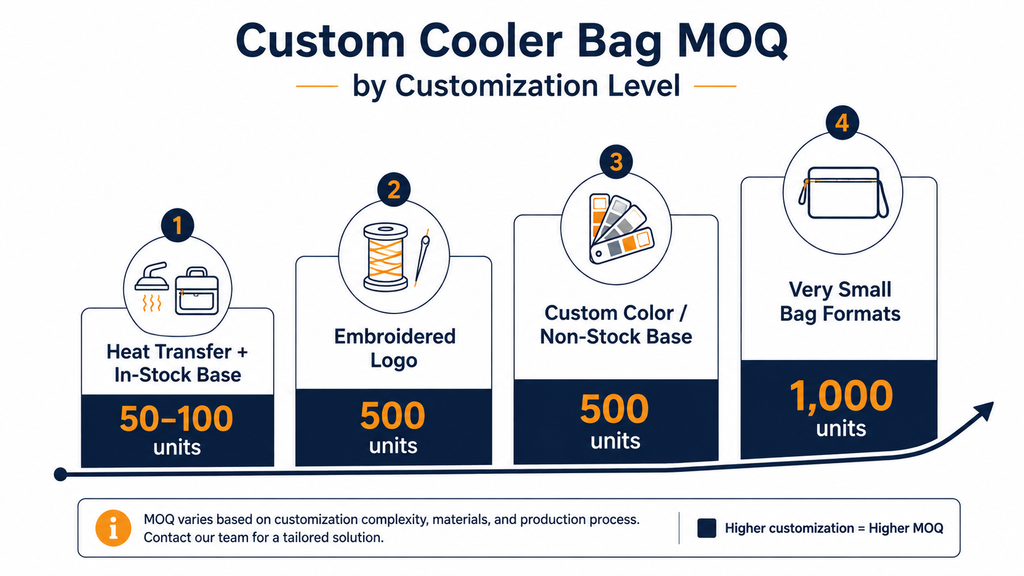
MOQ for a custom cooler bag isn’t one number — it moves depending on how much you’re actually asking us to change. Here’s roughly how it breaks down:
Heat-transfer logo on an in-stock base bag: 50–100 units. If we already stock the bag you want and you’re just adding a heat-transfer logo, this is the fastest, lowest-commitment path. The constraint here isn’t fabric or tooling — it’s simply that we have the base bag ready to go.
Embroidered logo: usually 500 units. Embroidery can technically be done in smaller runs, but the setup (digitizing the design, threading the machine, running samples to get placement right) is a fixed cost that gets spread across however many units you order. Below 500, the per-unit price climbs fast enough that most buyers find heat transfer or screen print more economical for small runs — embroidery starts making financial sense once volume absorbs that setup cost.
Custom colors, non-stock base, or other full customization: 500 units baseline. Once you’re outside our existing stock — new colorway, different trim, a base bag we don’t already produce — 500 becomes the realistic starting point, mainly because dyeing and cutting runs below that size aren’t efficient on our production floor.
Very small bag formats: up to 1,000 units. Counter-intuitively, some of the smallest products (compact lunch pouches, small accessory coolers) actually need a higher MOQ than mid-sized bags. Cutting and sewing efficiency drops on very small pieces, so the volume has to be higher to make a production run worthwhile.
If you’ve priced out MOQ on the backpack side before, this will look familiar — we cover the same “customization level, not order size, sets the real floor” logic in our Low MOQ Business Backpack guide, and the underlying math is the same across bag categories.
What Actually Drives the Price of Custom Cooler Bags — It’s Not Just Capacity
It’s tempting to assume a bigger cooler bag simply costs more. Capacity matters, but it’s not the main lever. Two things move the price far more than liters do: what the insulation lining is made of, and — more significantly — what the outer construction actually is.
Lining material: PEVA is now the standard, and the PVC gap isn’t large. Most cooler bags use either PEVA or PVC for the leakproof inner lining. PVC used to be more common, but it’s fallen out of favor — it’s harder to recycle and typically contains additives (like phthalates and other plasticizers) that PEVA doesn’t, which is why most buyers and brands have shifted away from it on both environmental and durability grounds (more on that difference here). PEVA also tends to hold up better over repeated use. The price gap between the two, though, is small — it’s not the factor that will make or break your quote.
Construction type is the real price ladder. This is the part that actually explains most of the spread you’ll see between quotes:
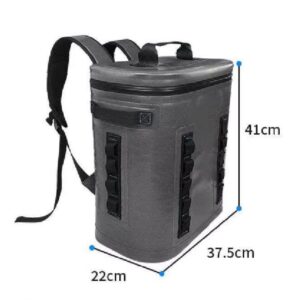
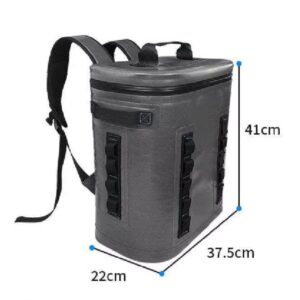
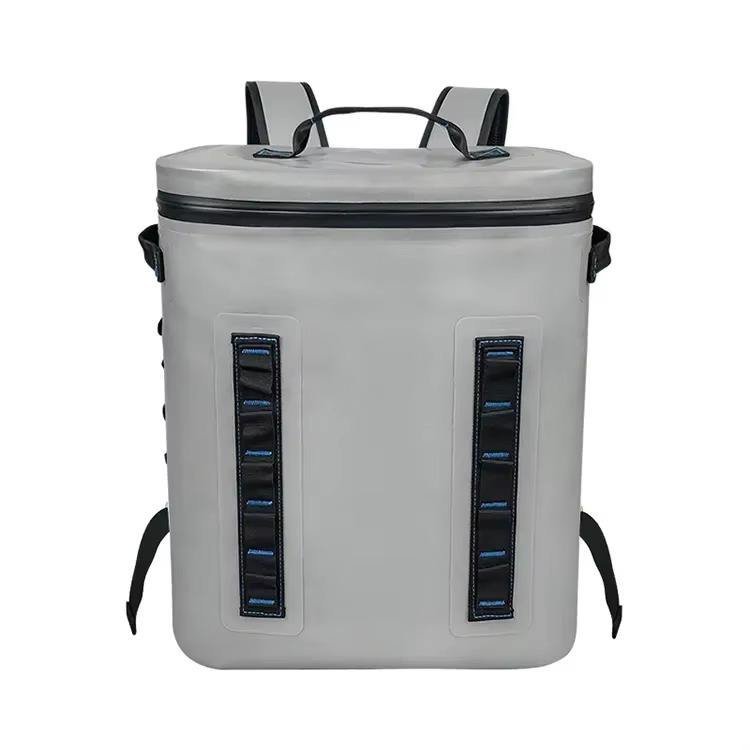
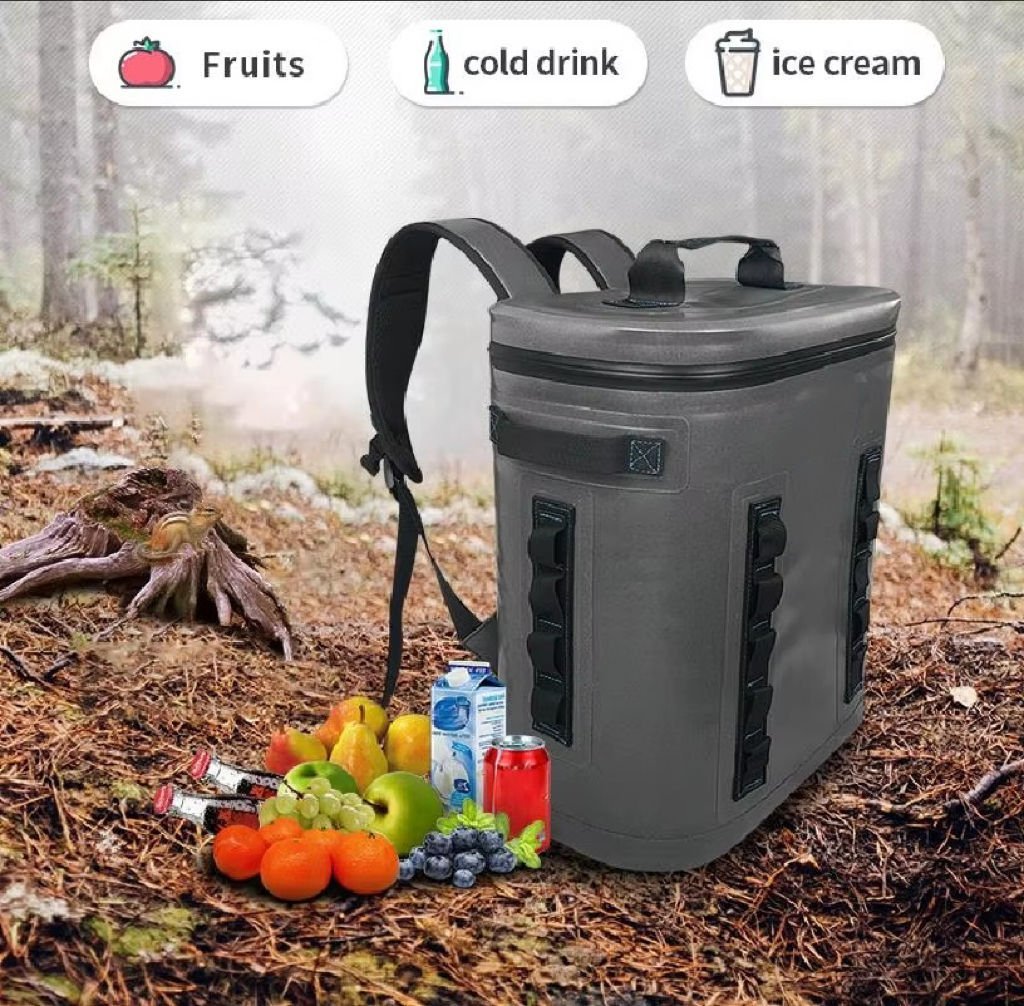
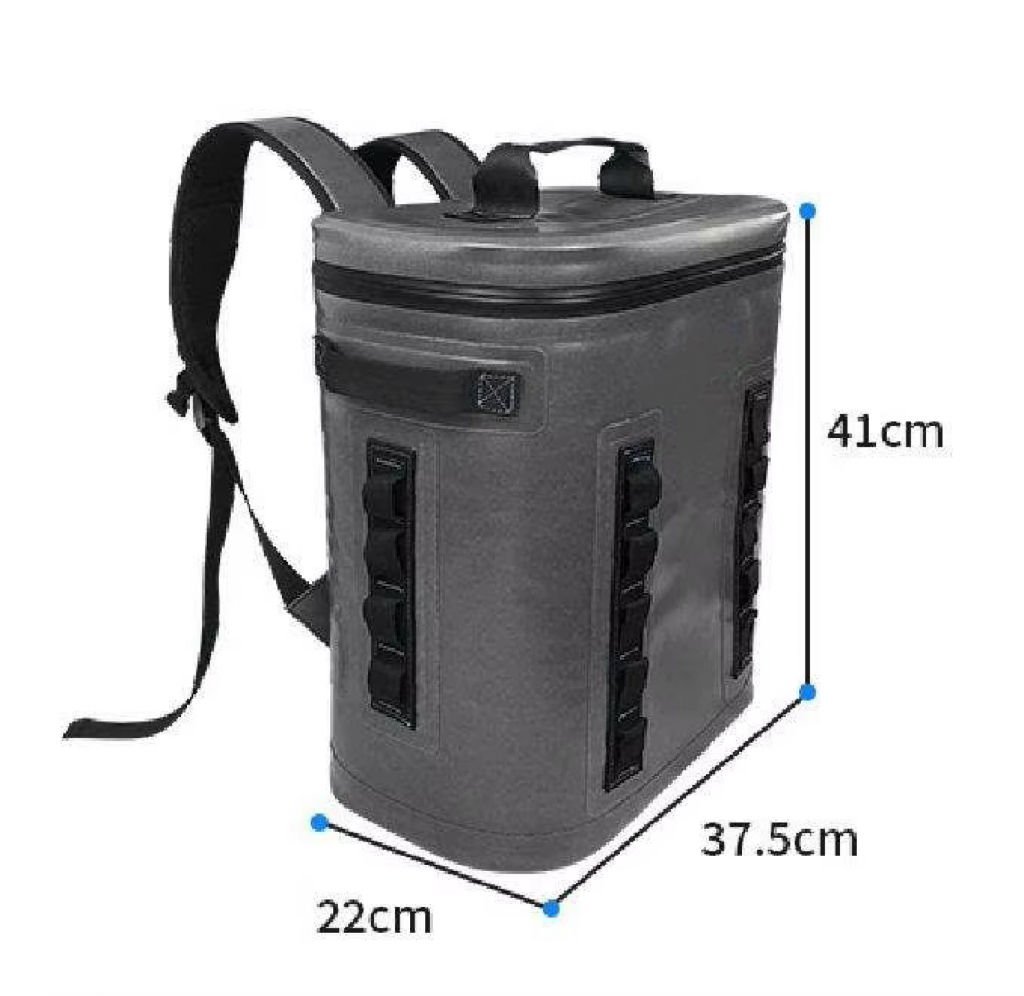
- Standard fabric construction (Oxford or canvas outer, PEVA lining, stitched seams) sits at the entry tier. It’s the most flexible to produce, scales well across order sizes, and is what most cooler backpacks and lunch/picnic bags on the market are built from.
- TPU heat-welded construction sits a clear step up. The outer material itself costs more, and welded (rather than stitched) seams require different equipment and more careful process control to get a fully leakproof result — the kind of build you’d want for something that gets dunked, rained on, or thrown in a cooler full of ice.
- Molded, hard-shell construction — the rigid, box-style coolers — sits at the top of the ladder, and the gap isn’t small. These require tooling (a mold has to be built before production even starts), and tooling is a fixed, one-time cost that gets spread across your order. On a small run, that per-unit tooling cost can dominate the price; on a larger run, it amortizes down. If you’re considering a molded shape, the order volume you’re planning matters as much as the design itself.
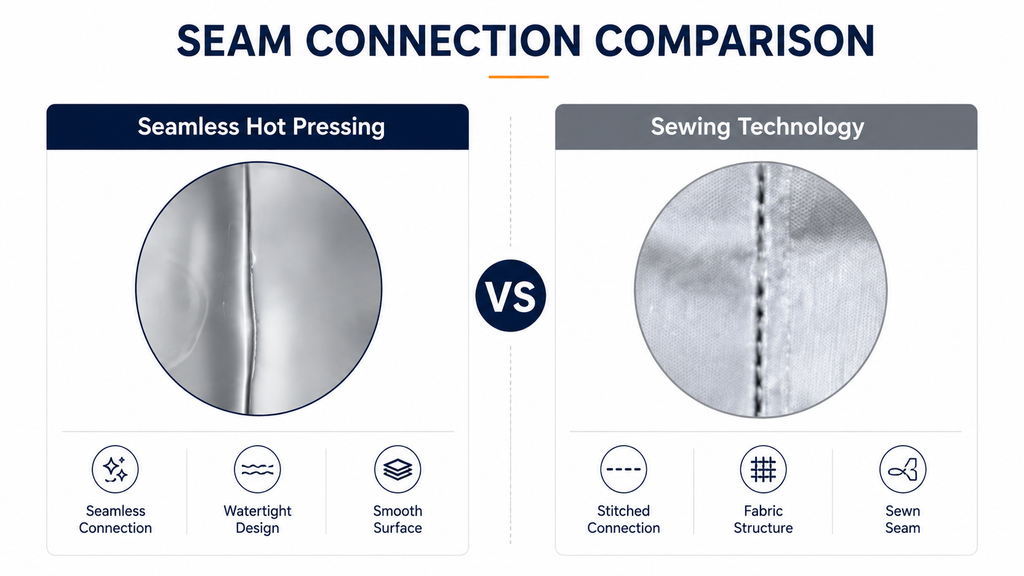
As a rough sense of scale — not a quote, since your final price always depends on the specific spec — standard fabric cooler bags and backpacks typically land at the lower end of the market range, TPU-welded builds sit noticeably higher, and molded hard-shell coolers are the highest tier by a wide margin, largely because of that tooling cost. Get us your actual spec and we’ll give you a real number; this is just to explain why two quotes for what looks like “the same size bag” can be so far apart.
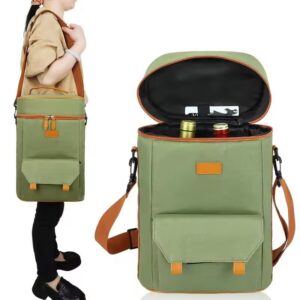
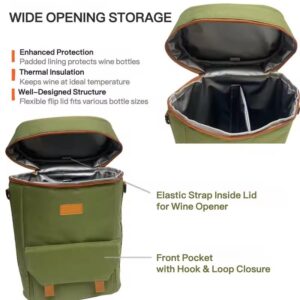
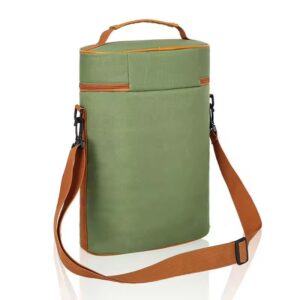
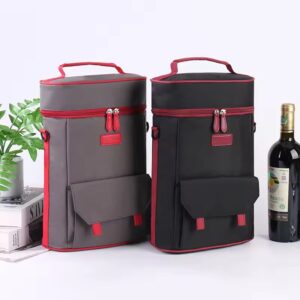
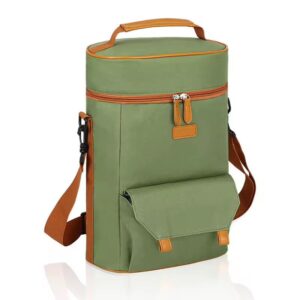
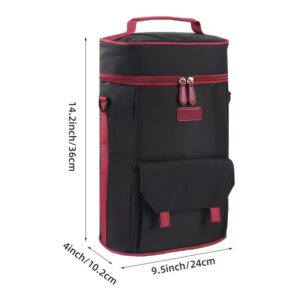
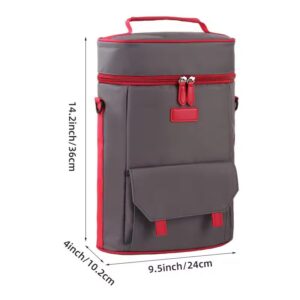
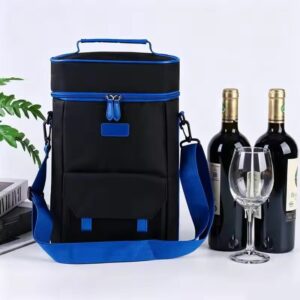
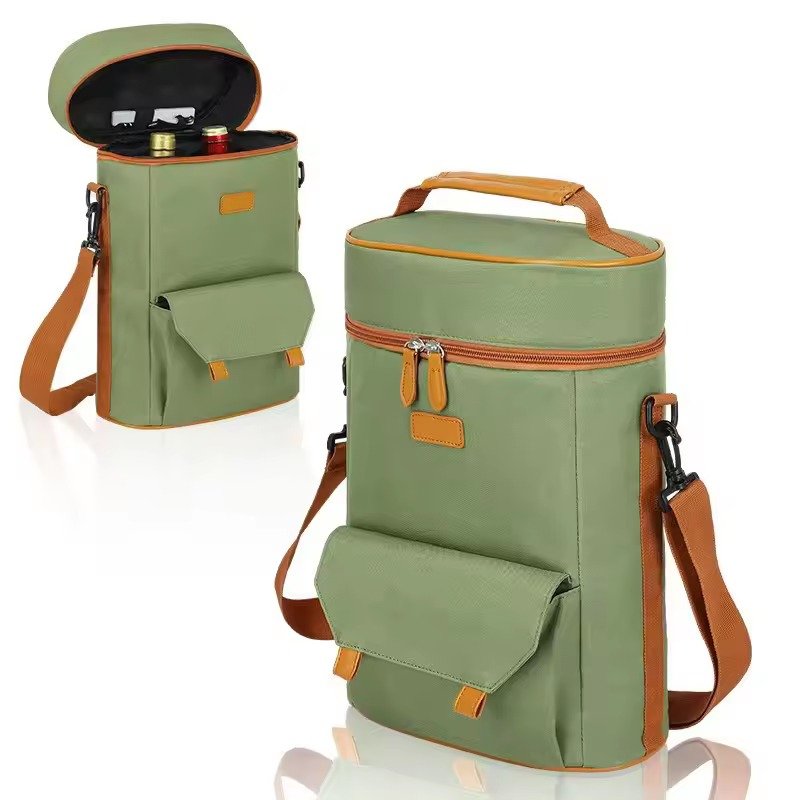
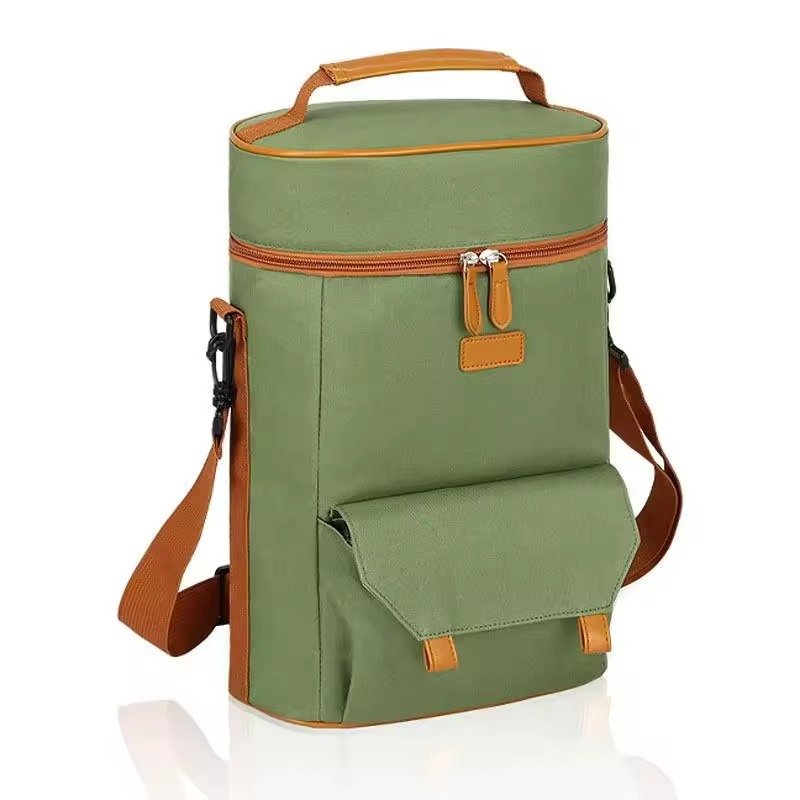
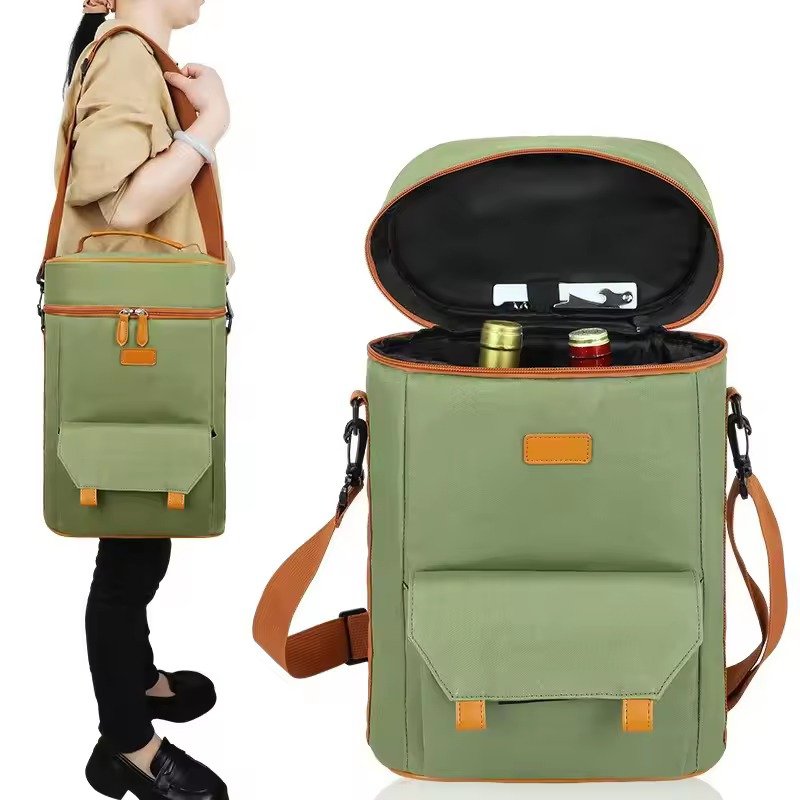
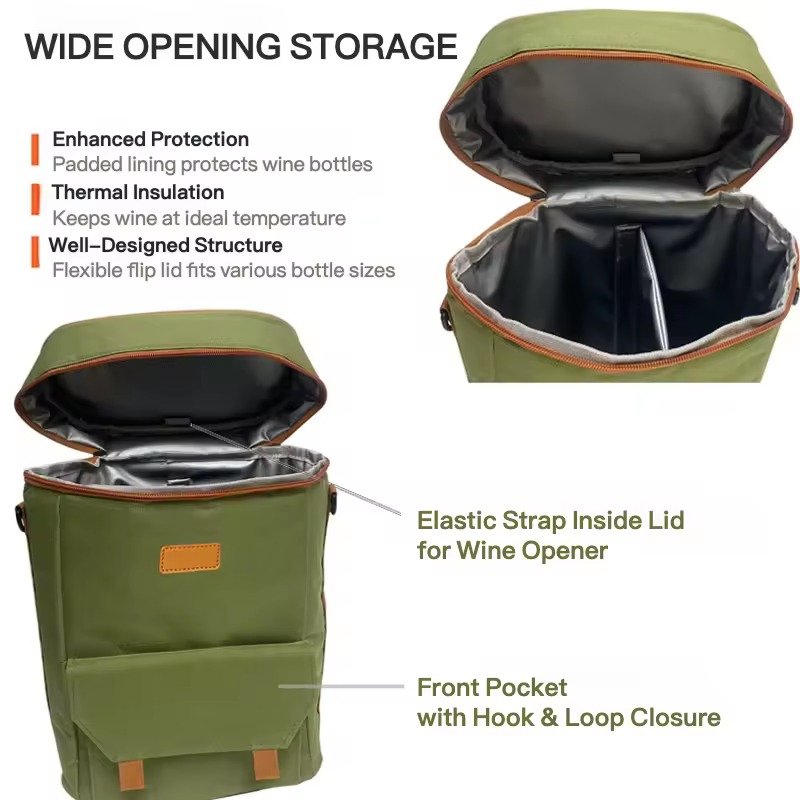
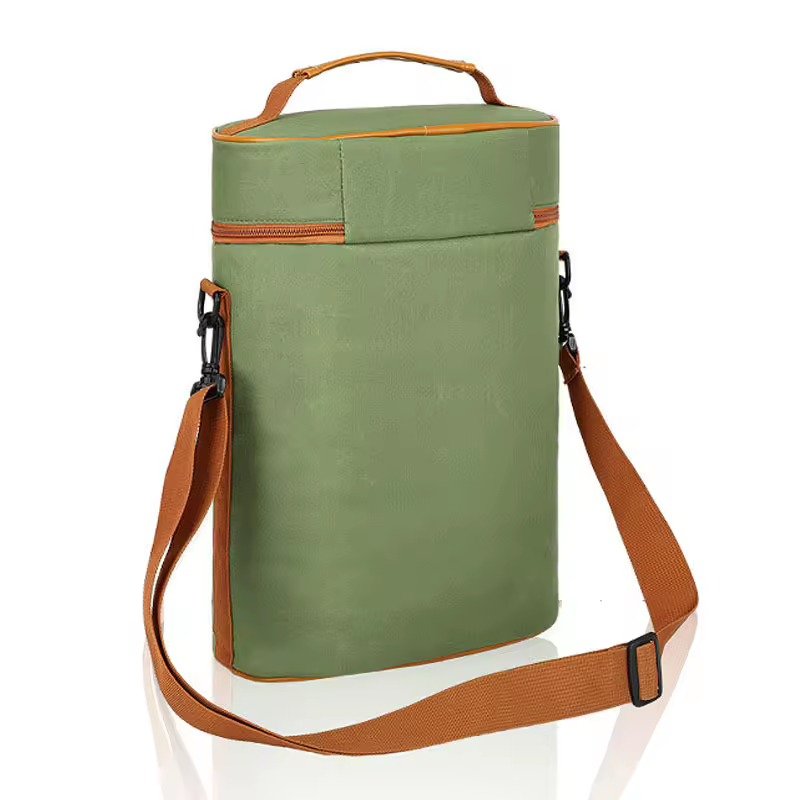
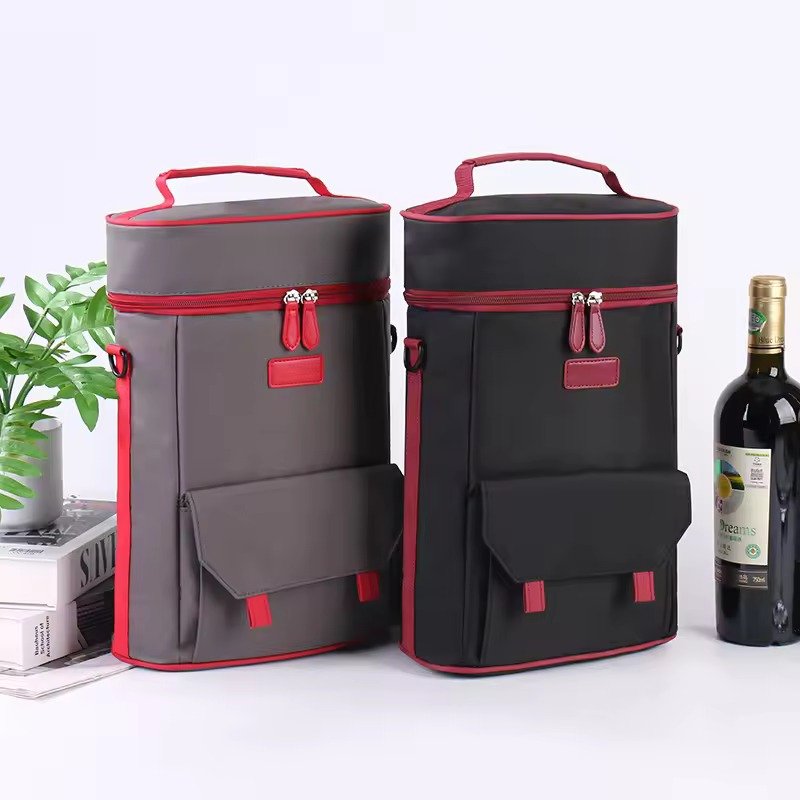
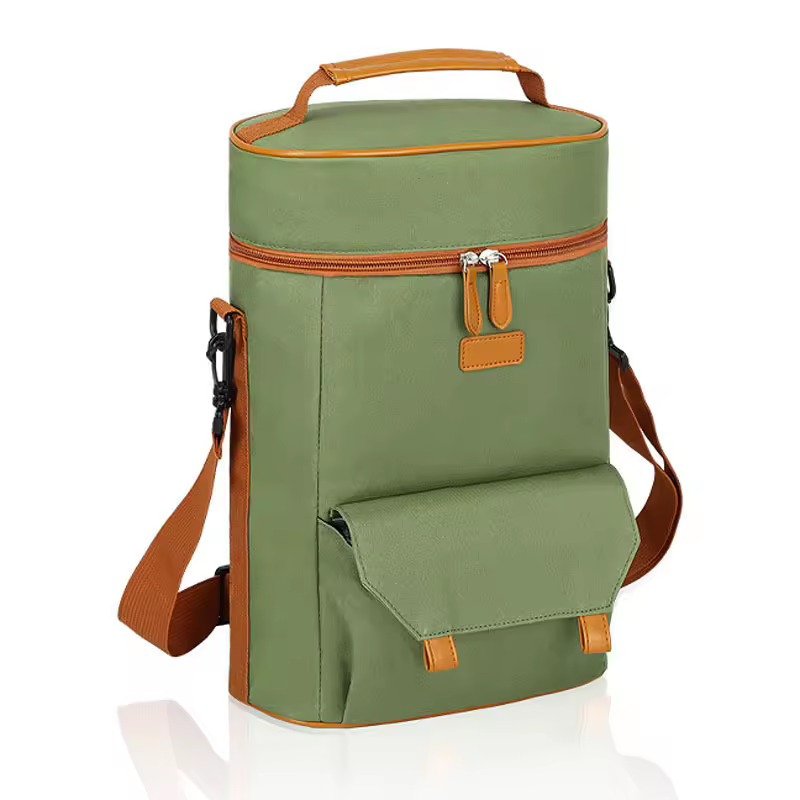
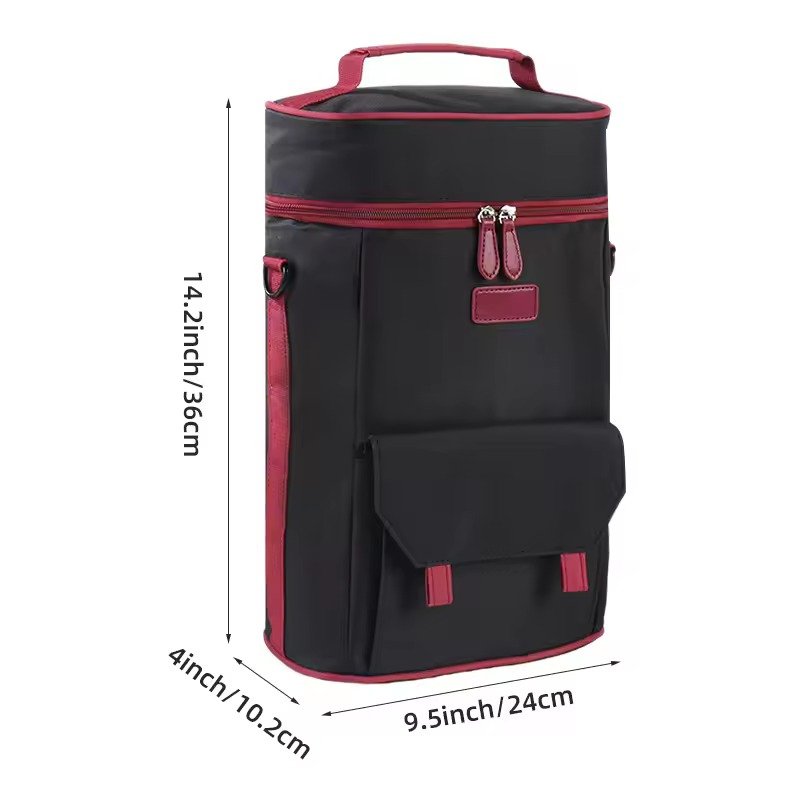
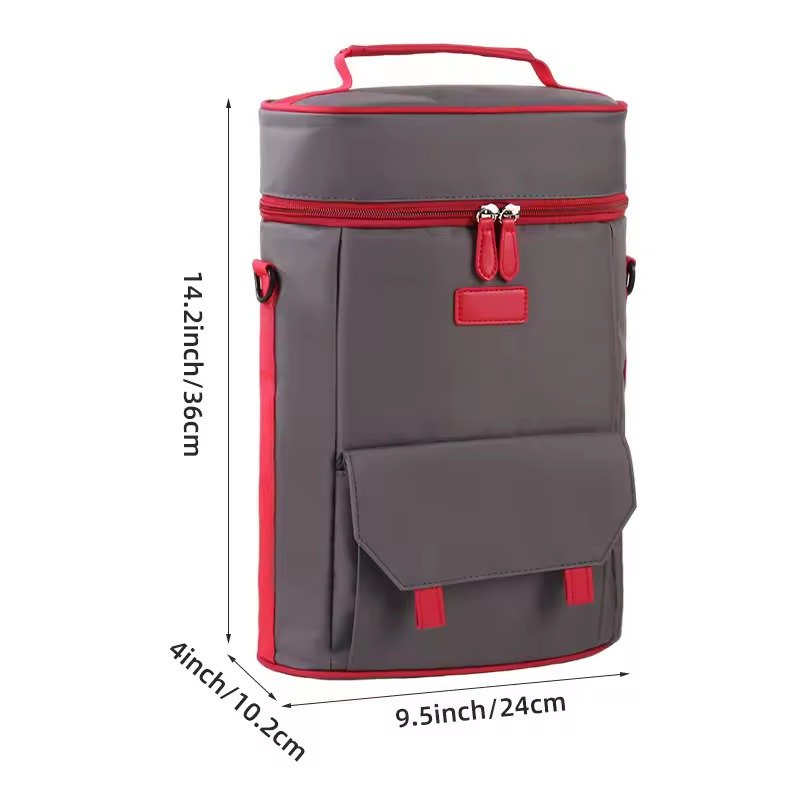
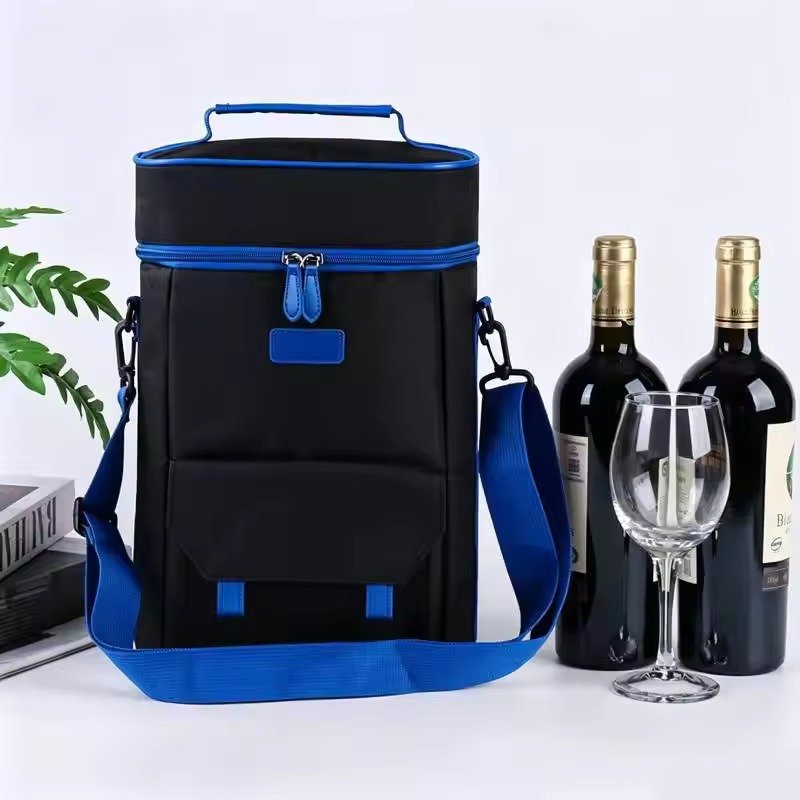
One more thing worth a mention here: we’ve recently expanded into wine and bottle cooler totes (1–3 bottle capacity, with other configurations available on request) — same insulation and construction logic applies, just a different form factor if that’s closer to what you need.
Matching the Bag Type to How It’ll Actually Be Used
The construction and pricing logic above applies across formats, but which format makes sense depends entirely on how the bag will be used day to day. A field team that needs both hands free is a different brief than an office team packing individual lunches, and both are different again from a food-delivery use case where leakproofing matters more than looks.
We go through this in detail — by target market, by capacity range, by carrying style — in How to Choose the Right Cooler Bag for Your Business. If you already know you need a cooler backpack specifically, our cooler backpack range is worth a look before you finalize a spec.
Before You Commit: What “Simple” Feature Requests Actually Involve
Here’s a real example of how a small-sounding request can turn into an engineering problem. A buyer once asked for a drain hole — the kind that lets you drain melted ice without opening the whole bag. Straightforward in concept. In practice, it meant re-thinking the lining material entirely: the material around the opening has to seal tightly against the drain fitting itself, or the “leakproof” cooler bag leaks exactly where you added the feature meant to make it more convenient. Getting that combination right — the right lining material, matched correctly to the valve hardware, integrated into the seam without creating a weak point — is a mold-and-materials problem, not a five-minute add-on, and it’s worth asking about upfront rather than assuming any factory can bolt it on.
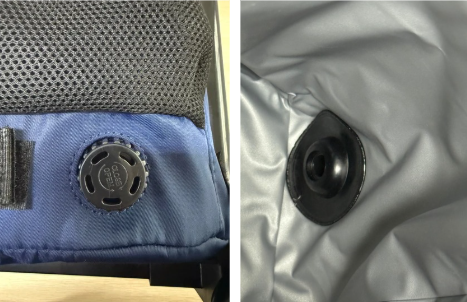
A few questions worth asking before you request anything outside a standard build:
- Is the feature achievable with our current tooling, or does it require a new mold? (This affects both timeline and MOQ — see the pricing section above.)
- Does the added hardware or feature change what lining material will actually work? Not every fabric or lining seals well against every type of fitting.
- What capacity unit are you actually specifying — liters, or “cans”? These get confused more often than you’d expect, and it’s worth confirming before a sample gets made to the wrong size.
On timeline: sample development time varies with complexity (a stock-based ODM sample moves faster than a new OEM mold), but once a design is approved, bulk production generally runs about 30 days, with shipping adding 5–10 days by air or 20–35 days by sea.
On quality: leak testing is a standard part of our pre-shipment process on every cooler bag order, regardless of destination. Beyond that, specific third-party certifications or product testing (for a particular retailer’s requirements, for example) are handled per order based on what you actually need — we don’t apply a blanket certification across every cooler bag SKU, so flag any required testing early so it can be built into the timeline.
Frequently Asked Questions
What’s the minimum order for a custom cooler bag with our logo? It depends on the logo method and whether you’re using one of our in-stock base bags. Heat transfer on an in-stock bag can start as low as 50–100 units; embroidery or a fully custom bag (new color, non-stock base) typically starts at 500.
Is TPU or fabric construction better for a custom cooler bag? Neither is universally “better” — it depends on use case. Standard fabric construction (Oxford outer, PEVA lining) is more cost-effective and flexible across order sizes. TPU heat-welded construction costs more but delivers a higher level of leakproofing and durability for bags that will see heavy outdoor or wet-condition use.
How long does sampling take? It depends on complexity. A sample based on an existing template moves faster than a new OEM design that requires a new mold or engineering work for a custom feature.
Can Nice Bags produce wine or bottle cooler totes? Yes — we’ve recently added this line, with 1–3 bottle capacity as standard and other configurations available on request. The same construction and MOQ logic in this guide applies.
Do custom cooler bags come with certifications like BSCI? We run leak testing as standard on every order before shipment. Beyond that, specific certifications or third-party testing are arranged per order based on your requirements — let us know what’s needed for your market and we’ll build it into the production timeline.
Ready to move from research to a real quote? Contact us with your target capacity, construction preference, and order volume, and we’ll walk you through MOQ and pricing for your specific spec.