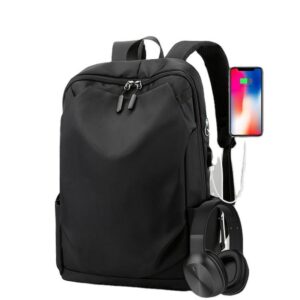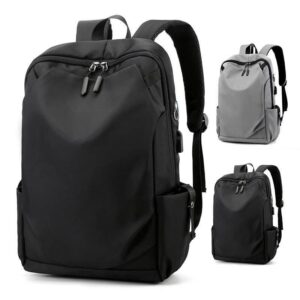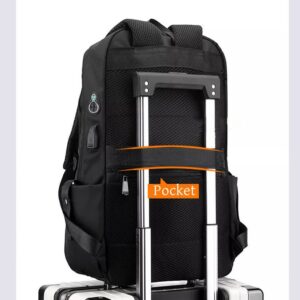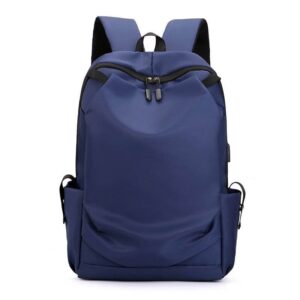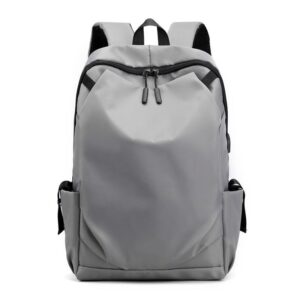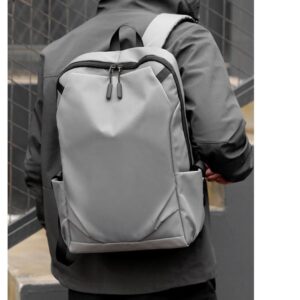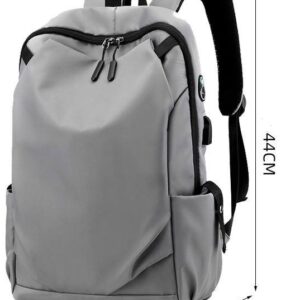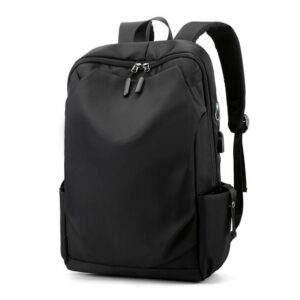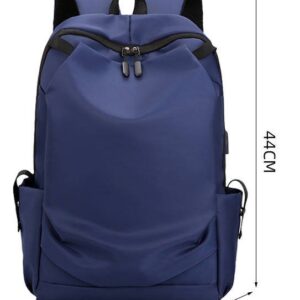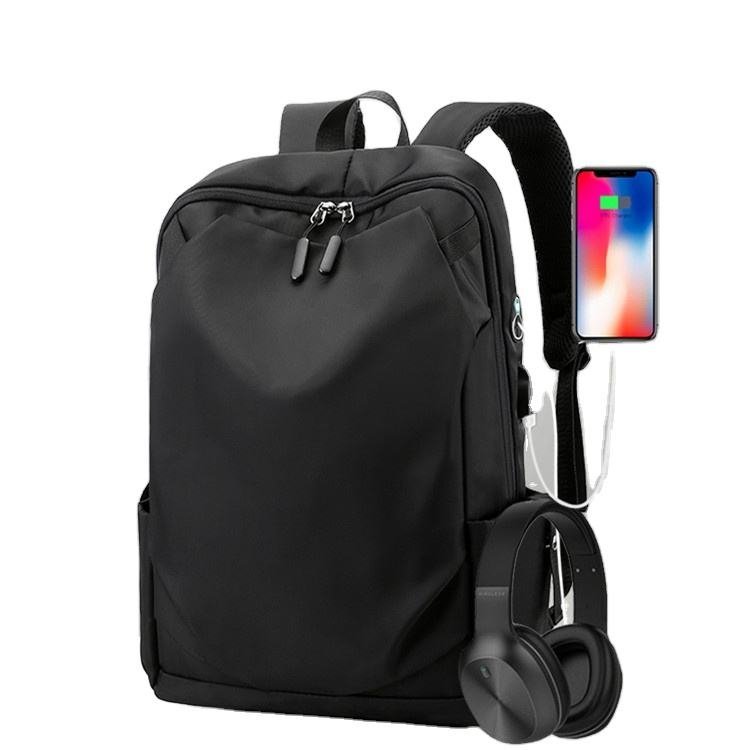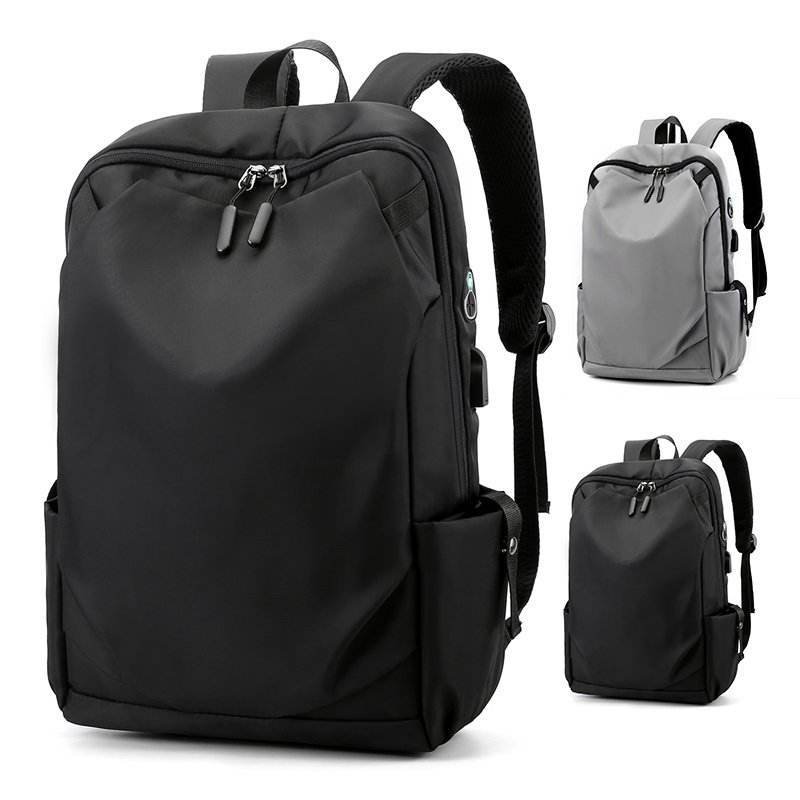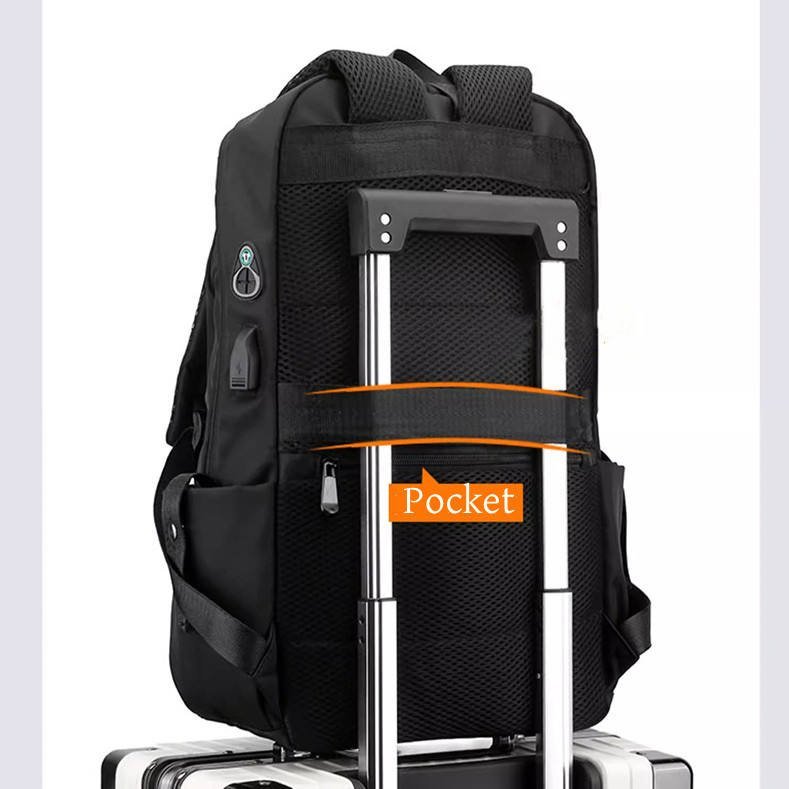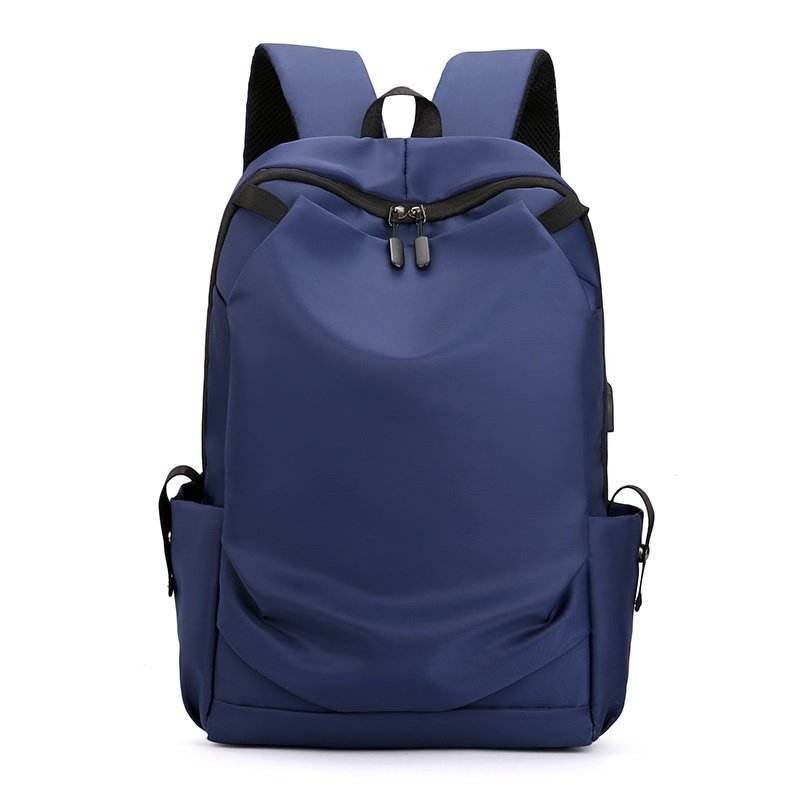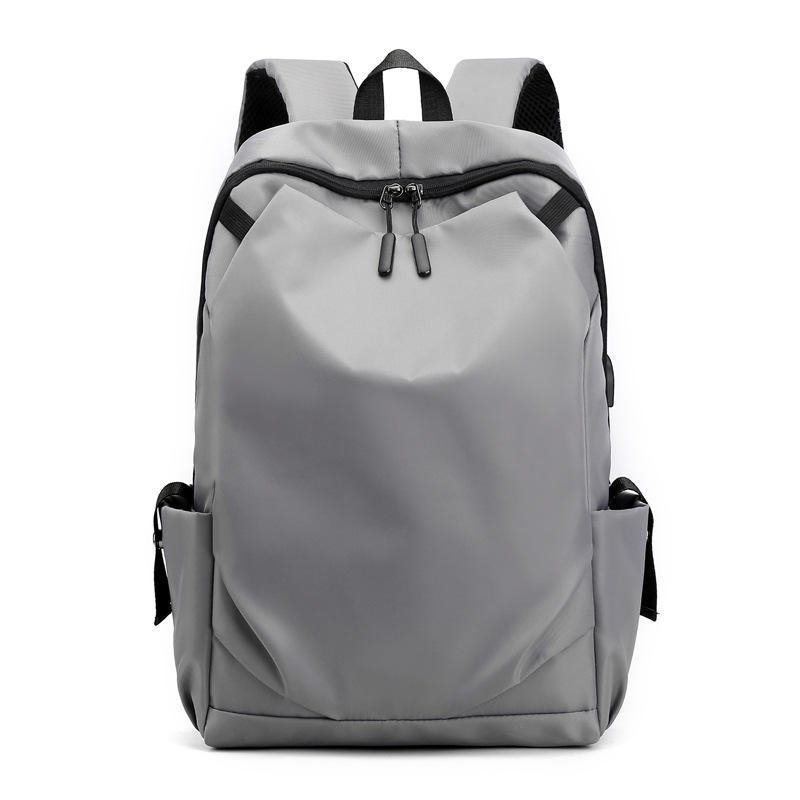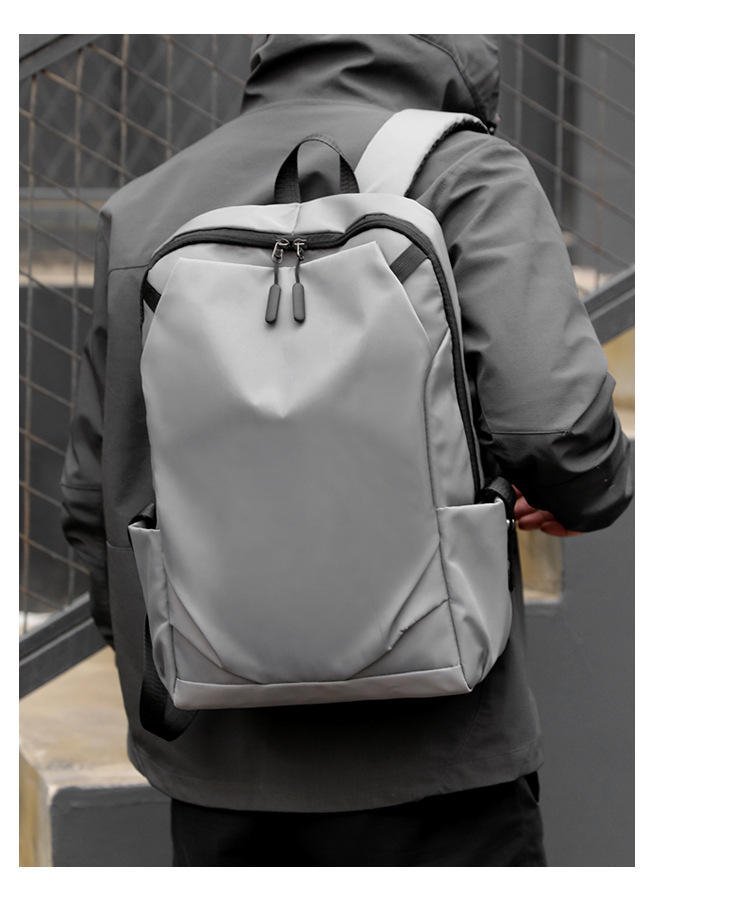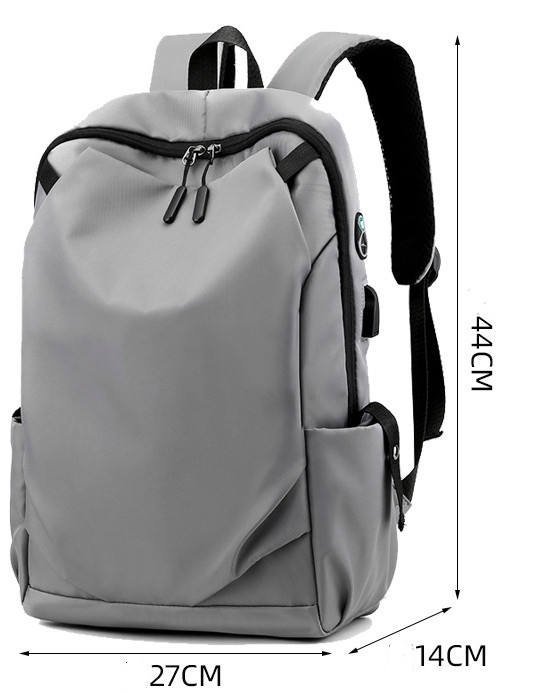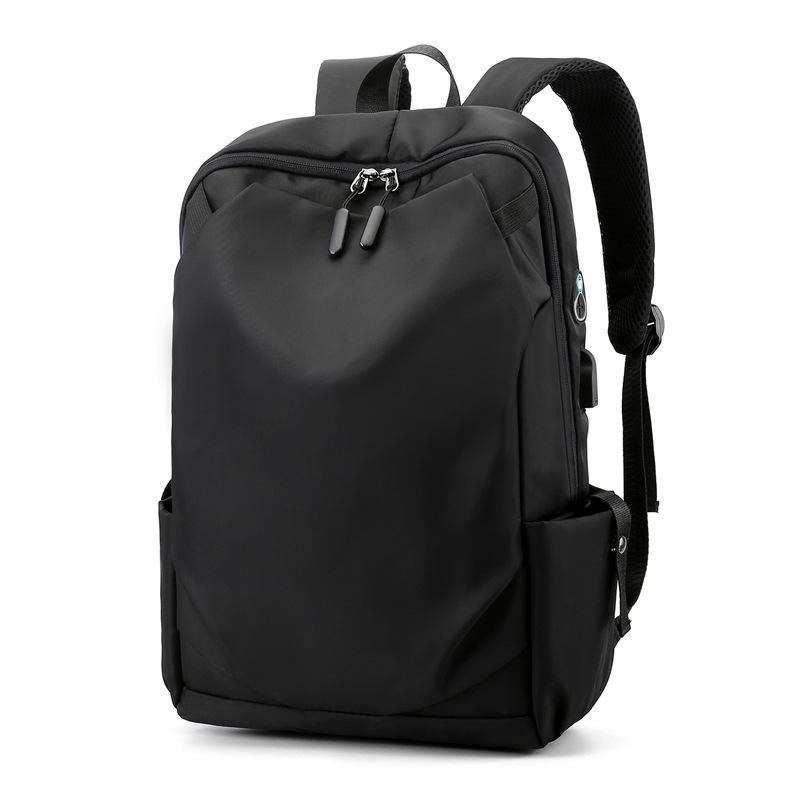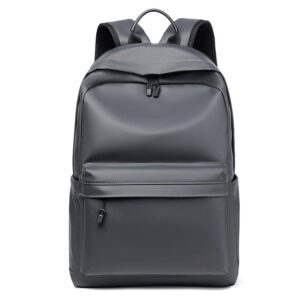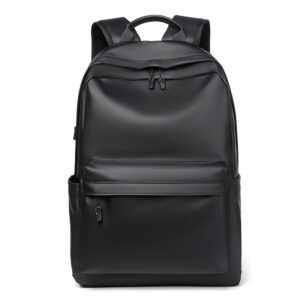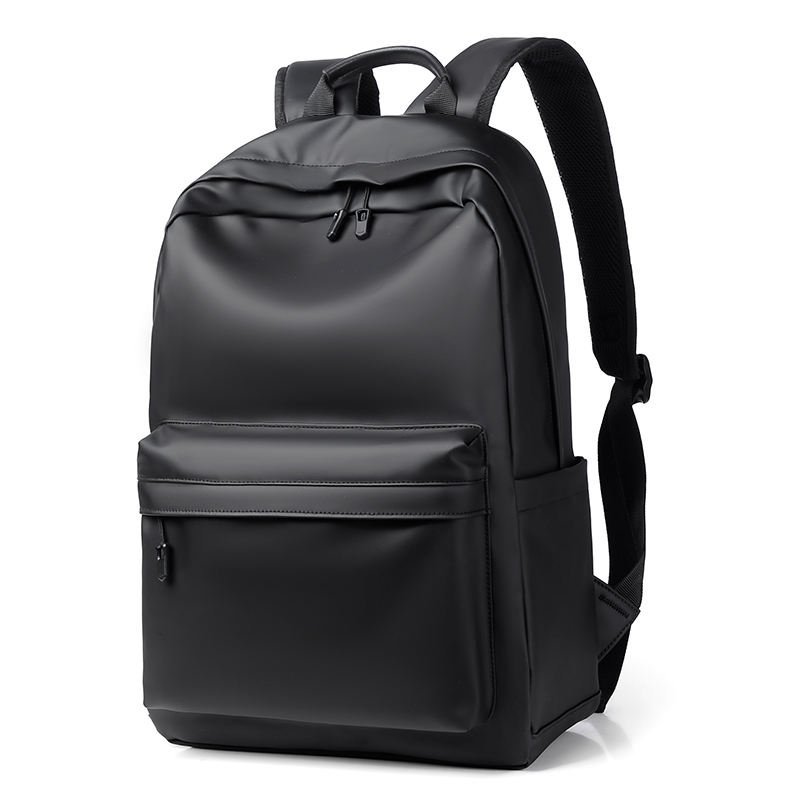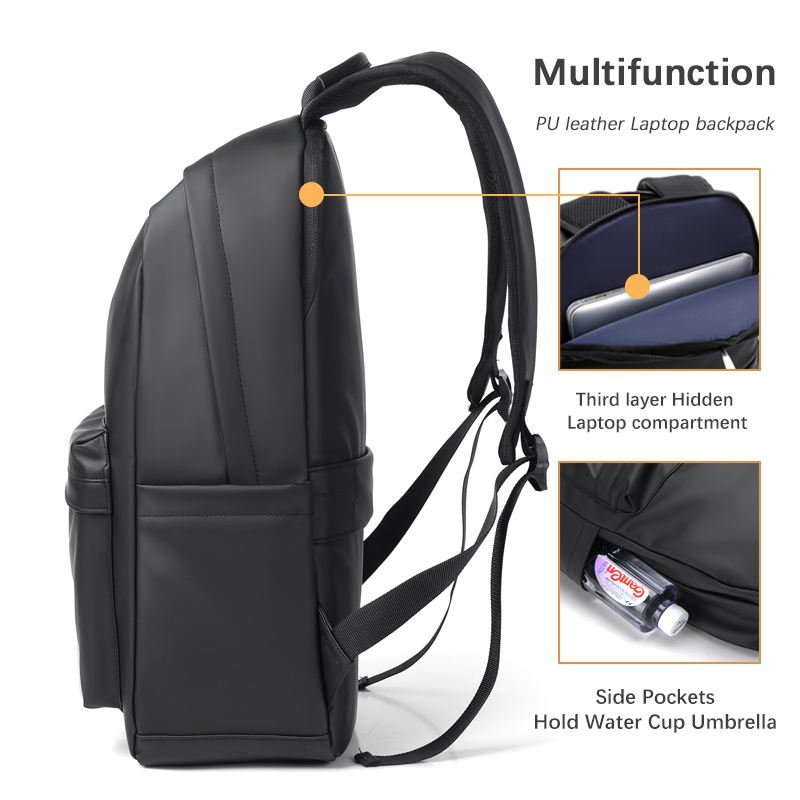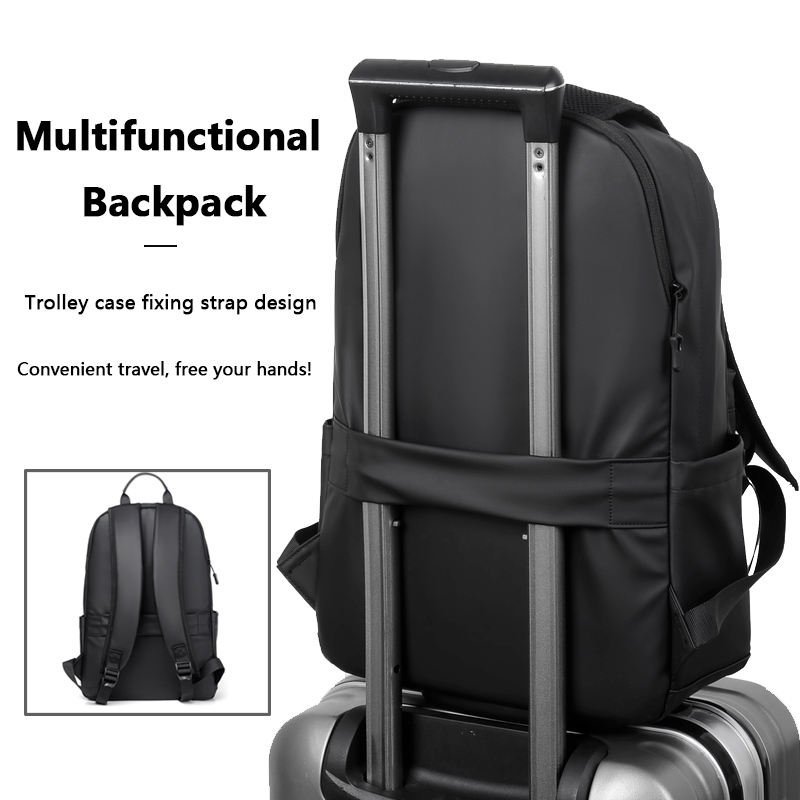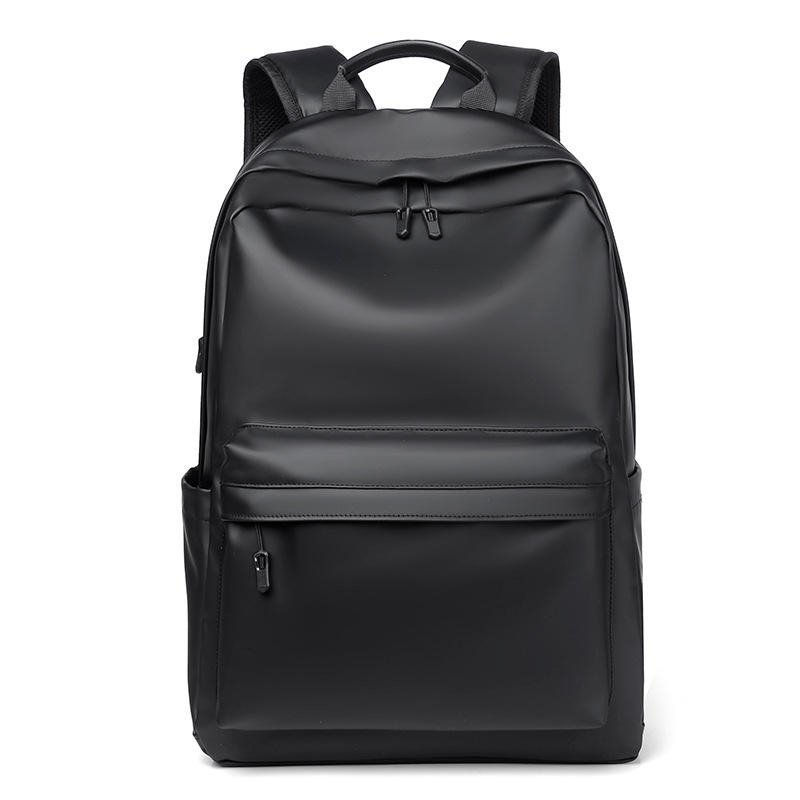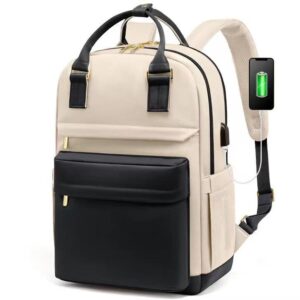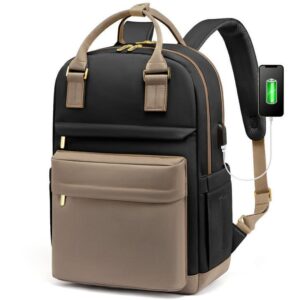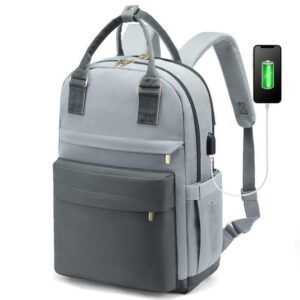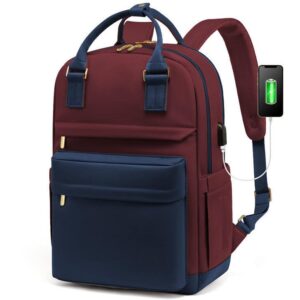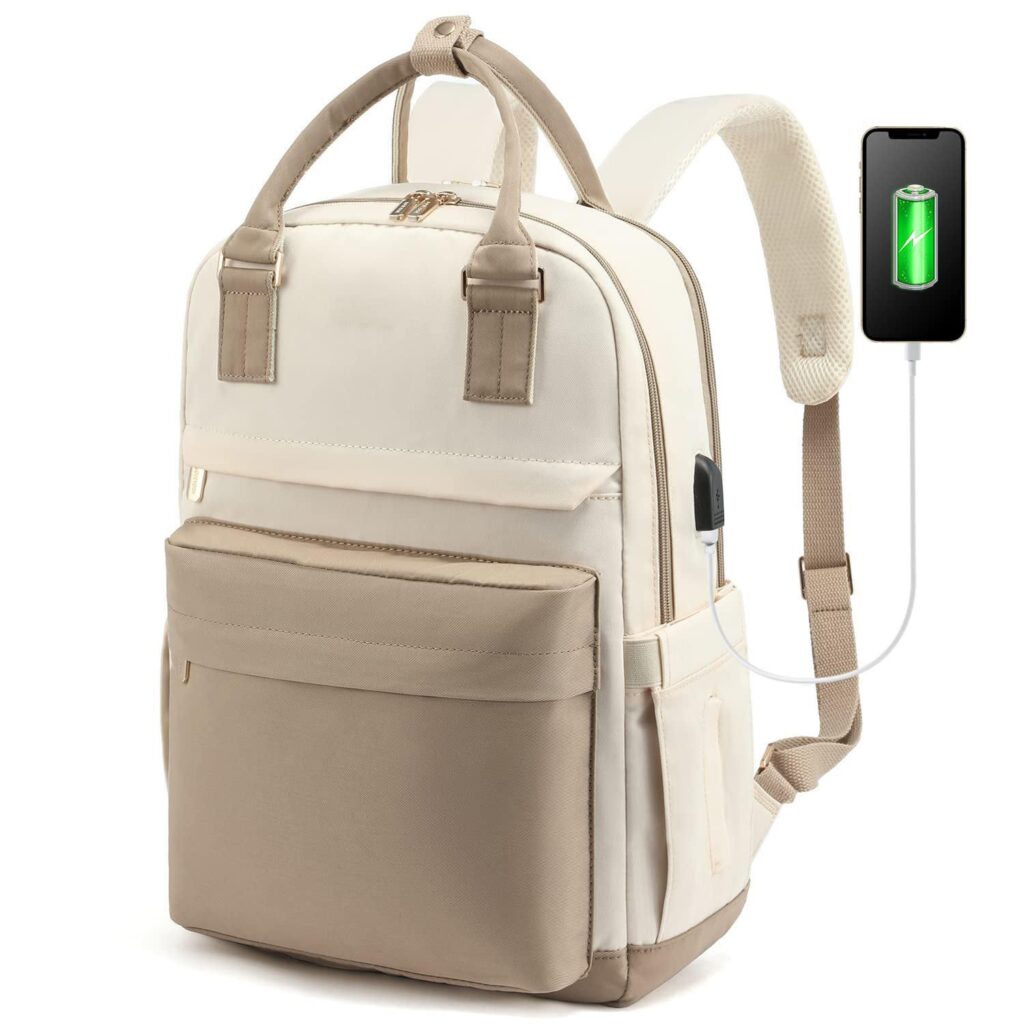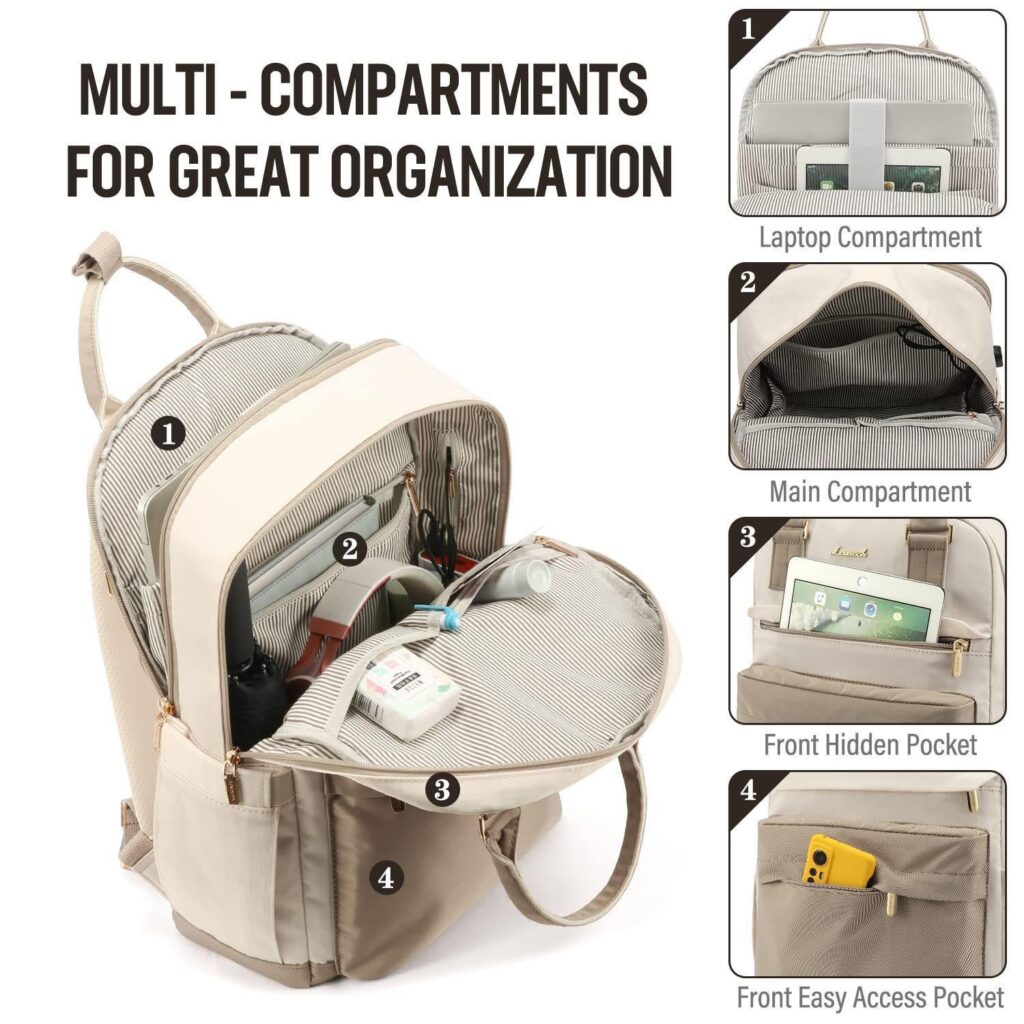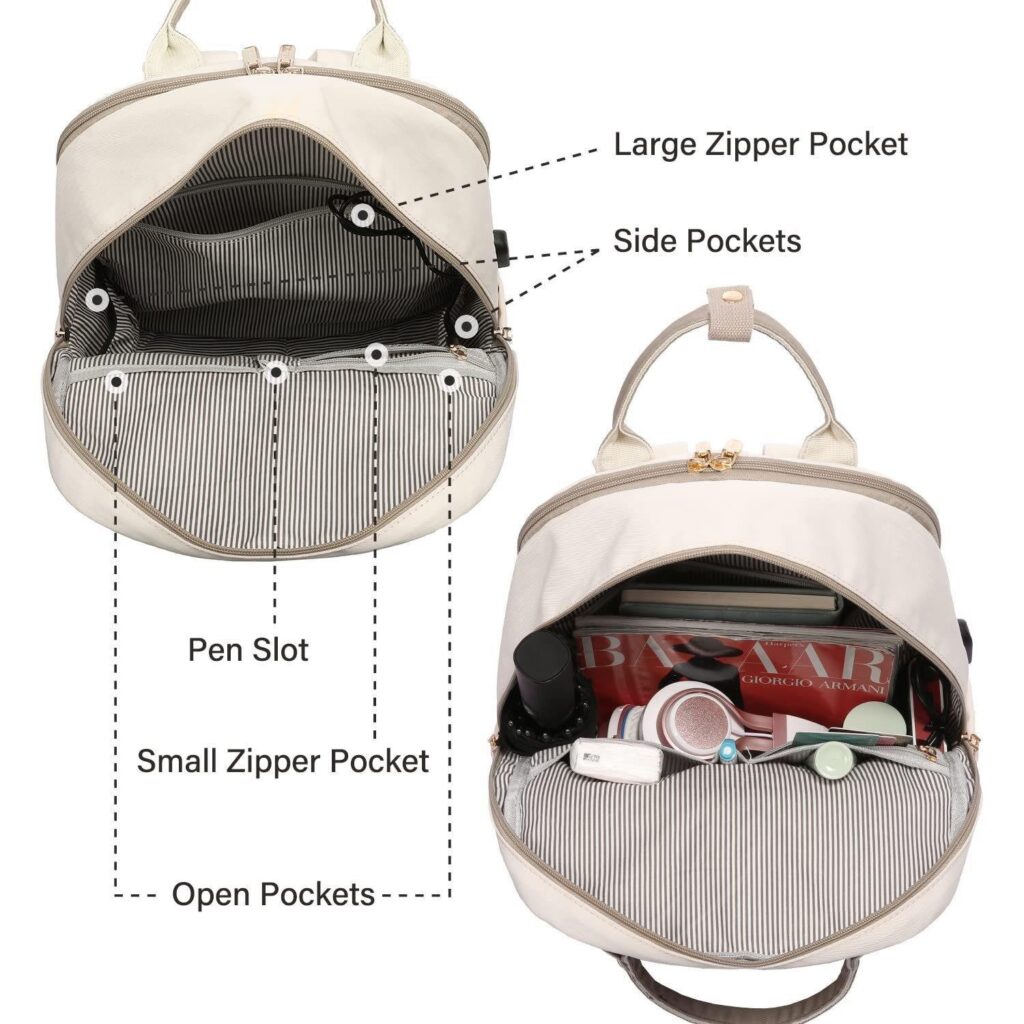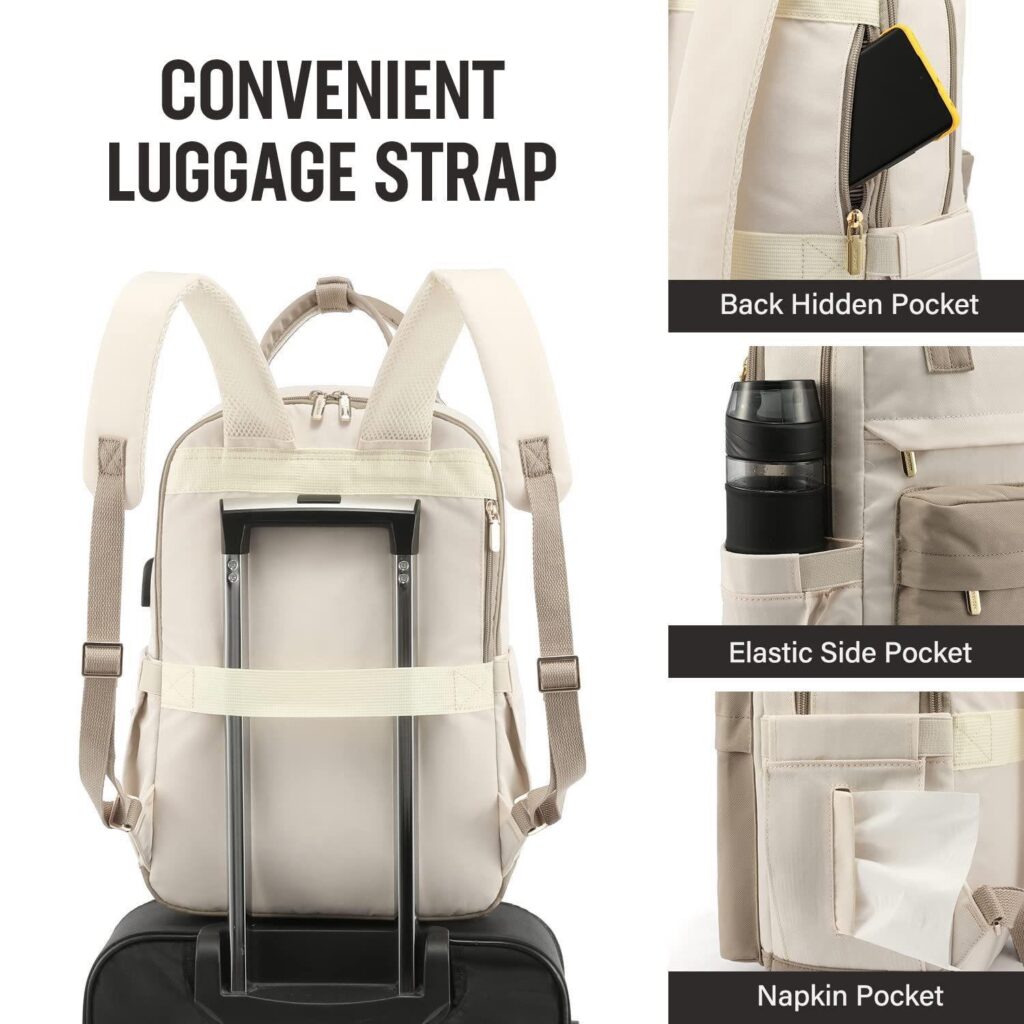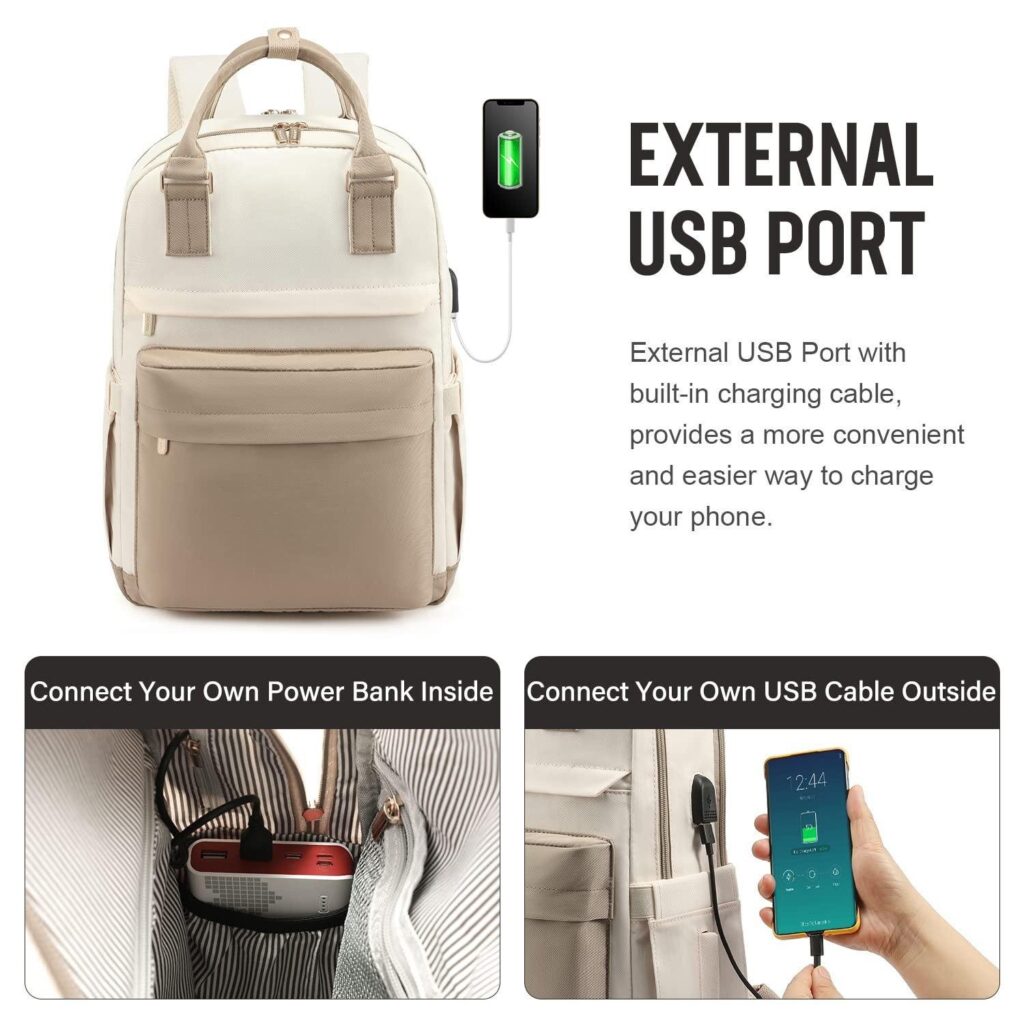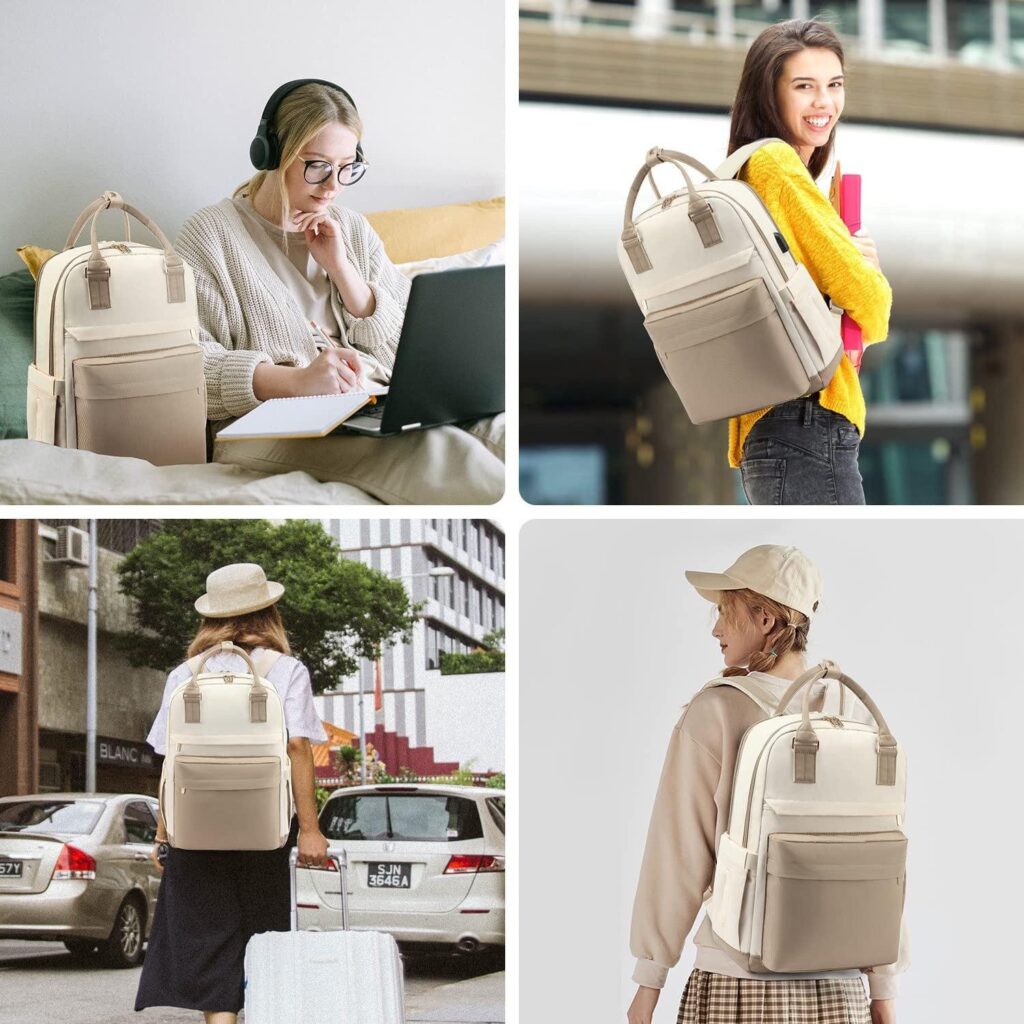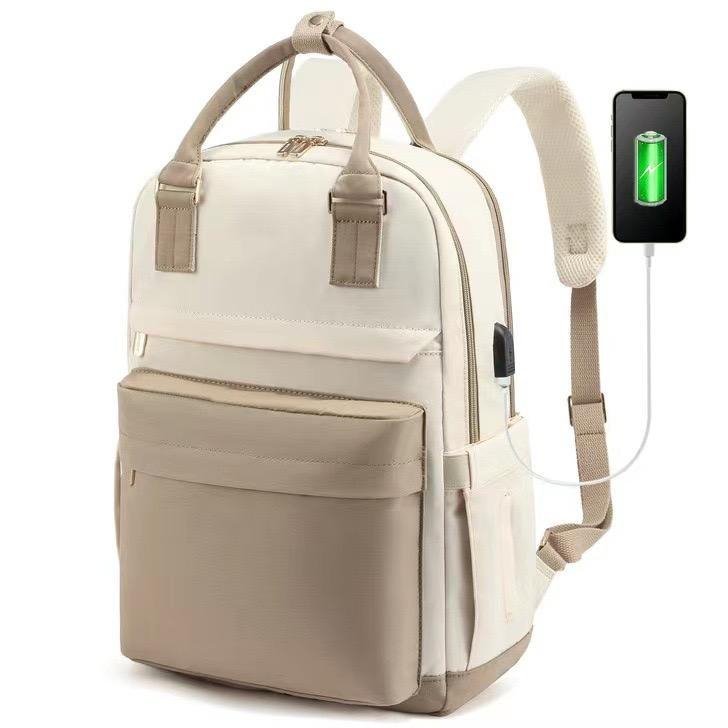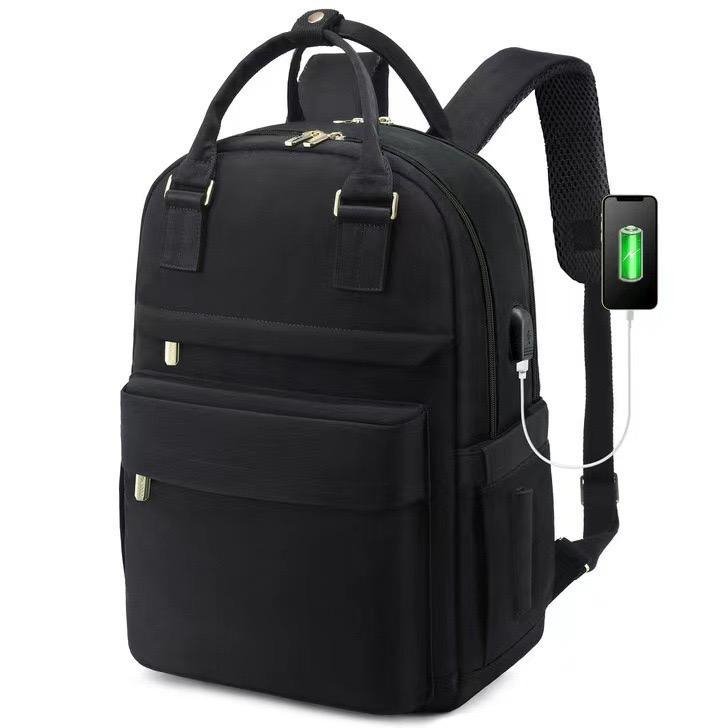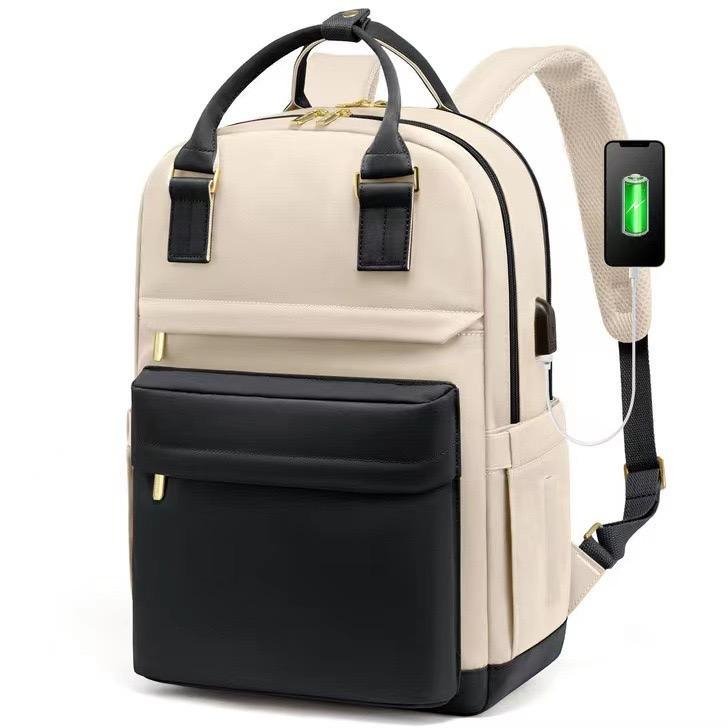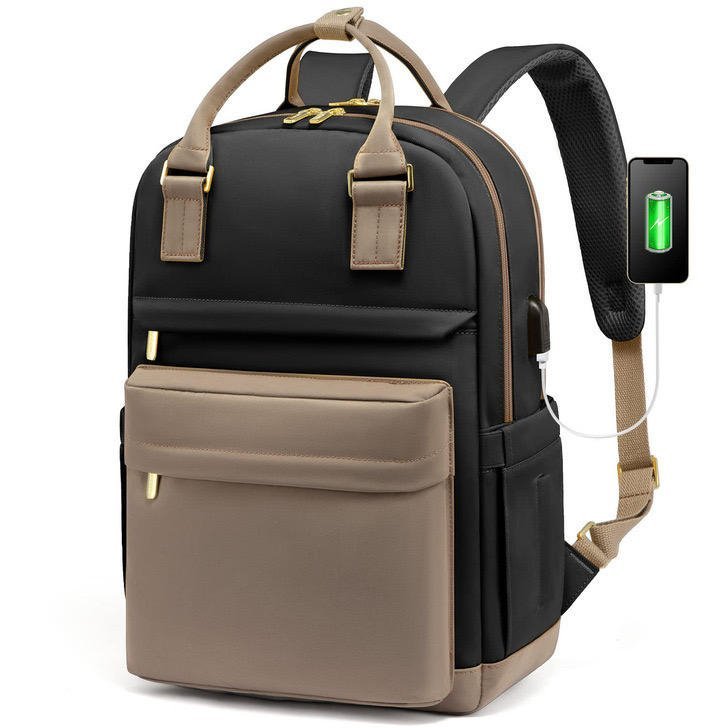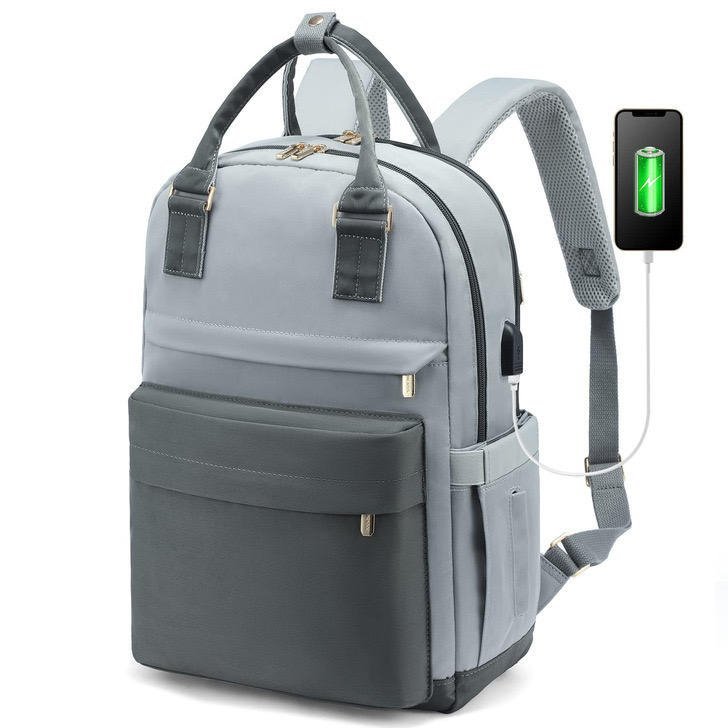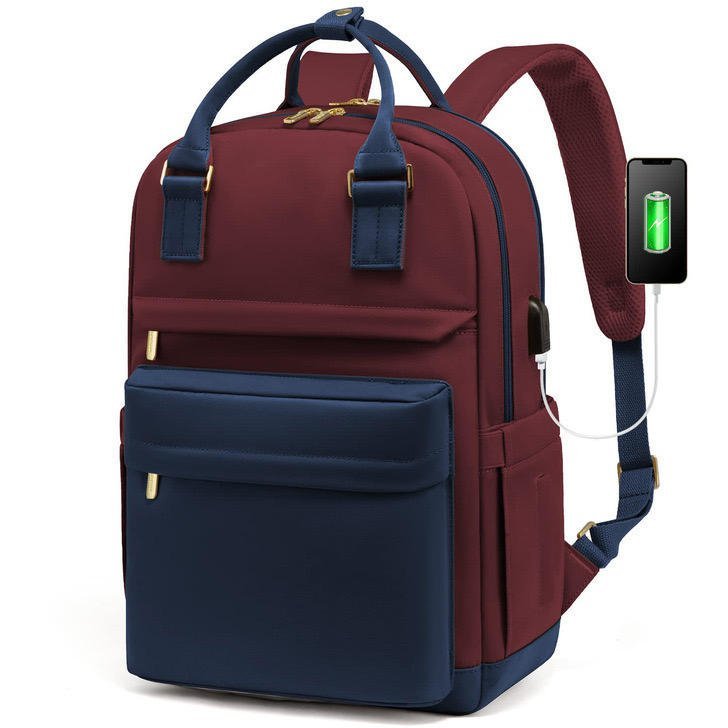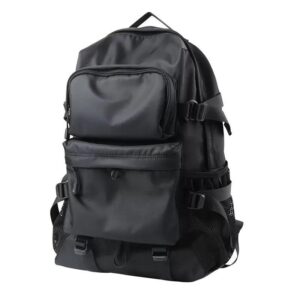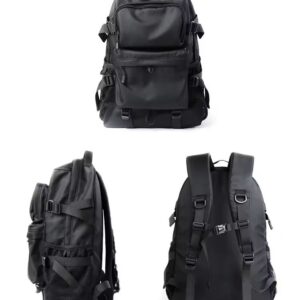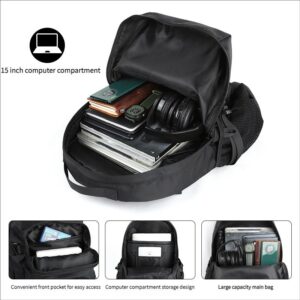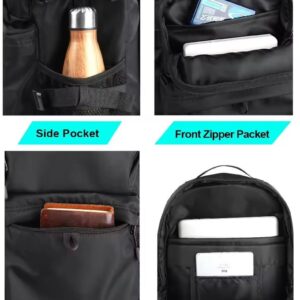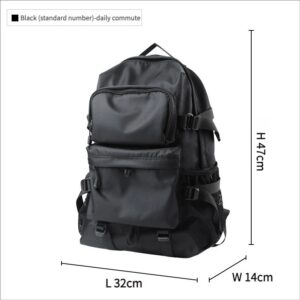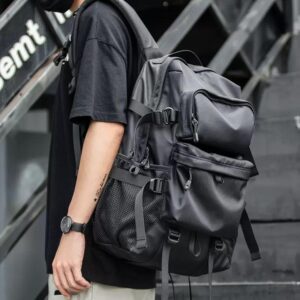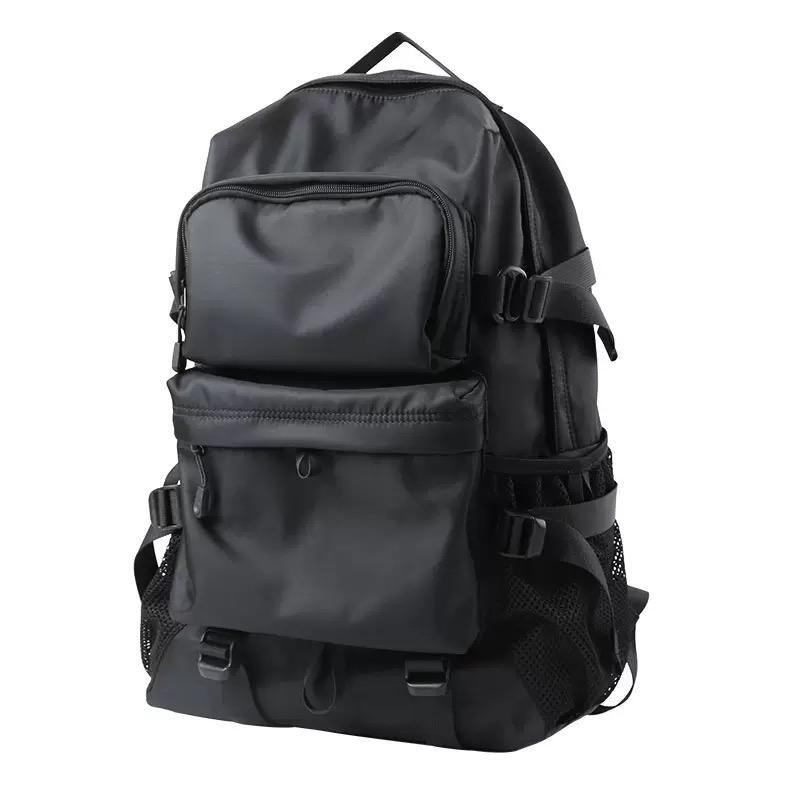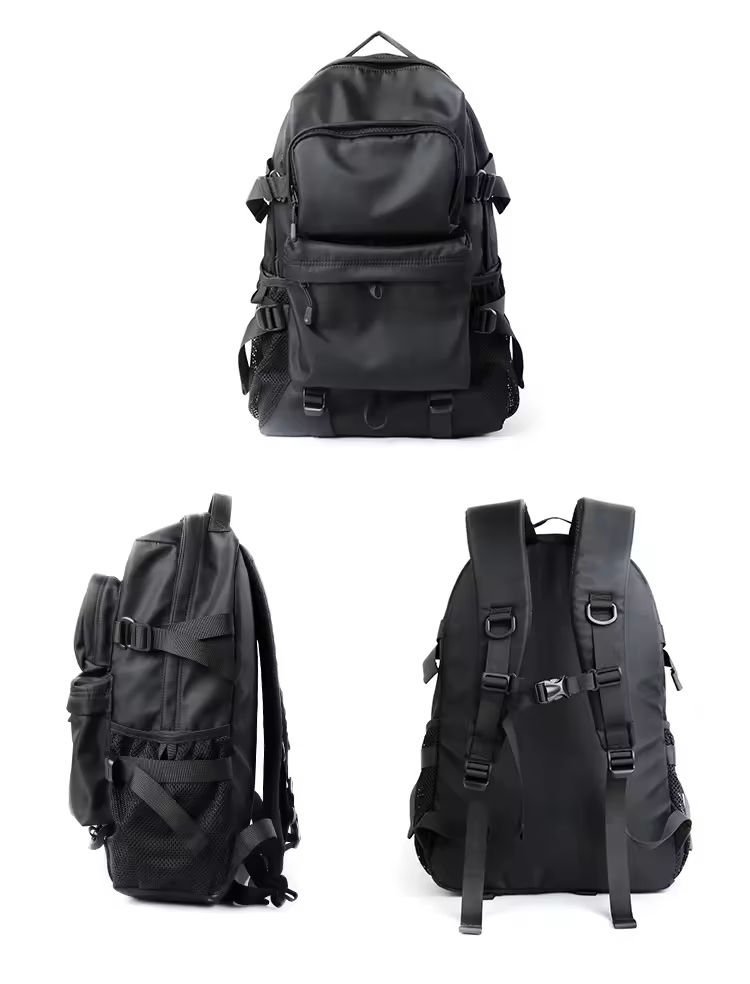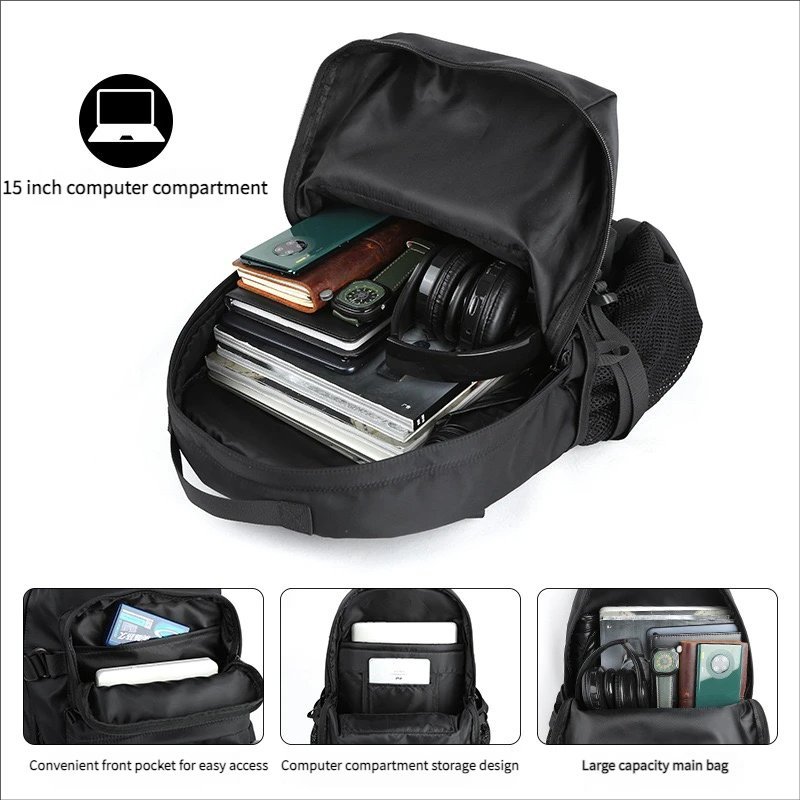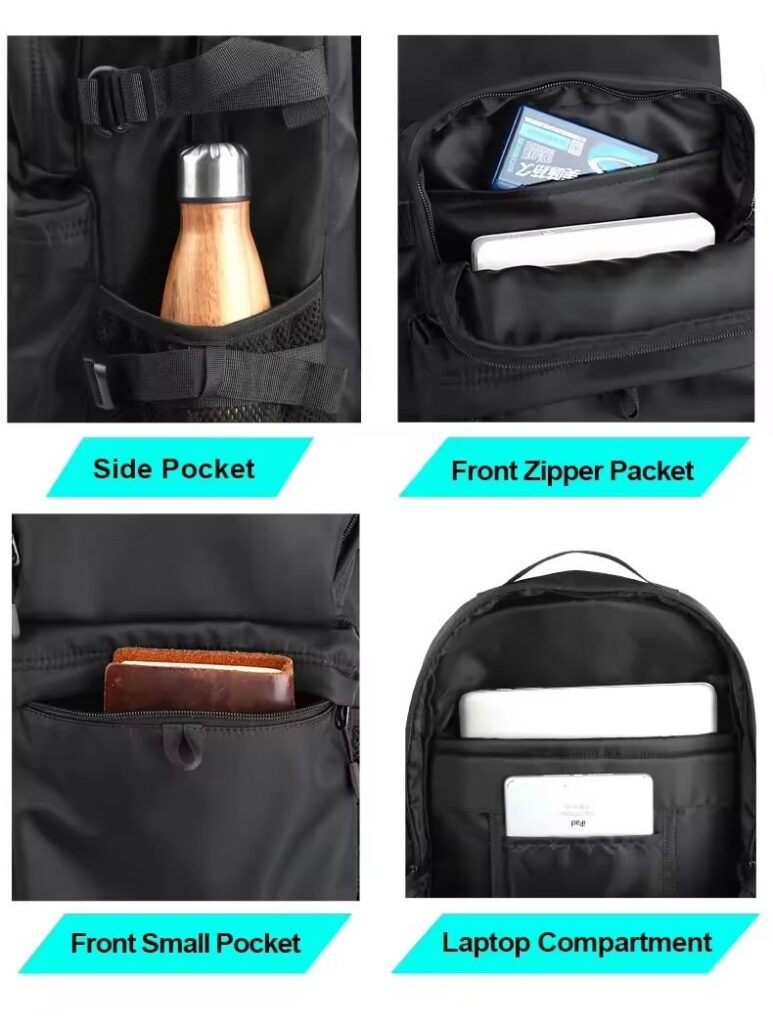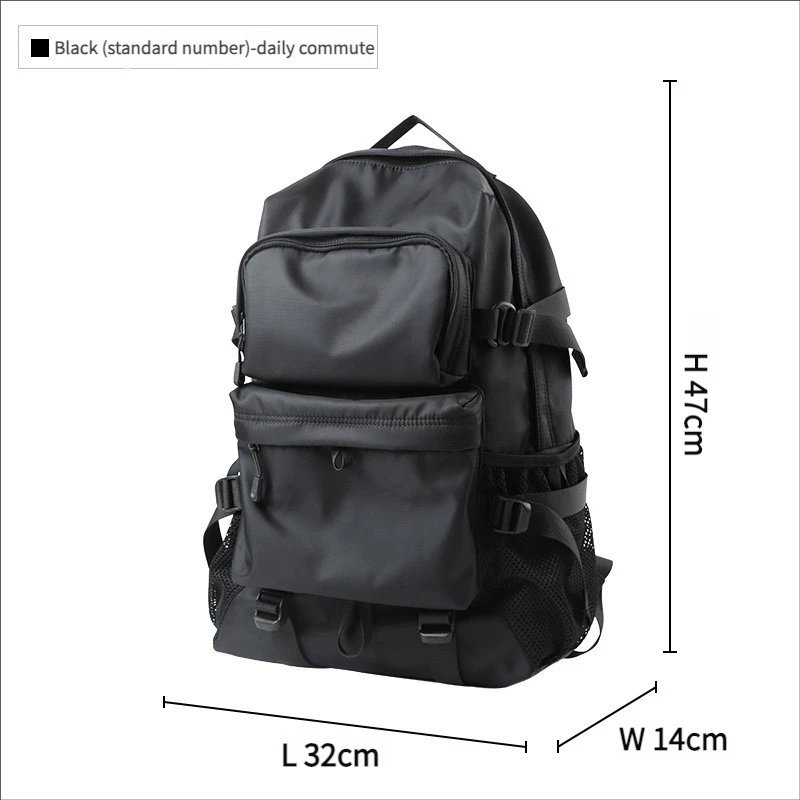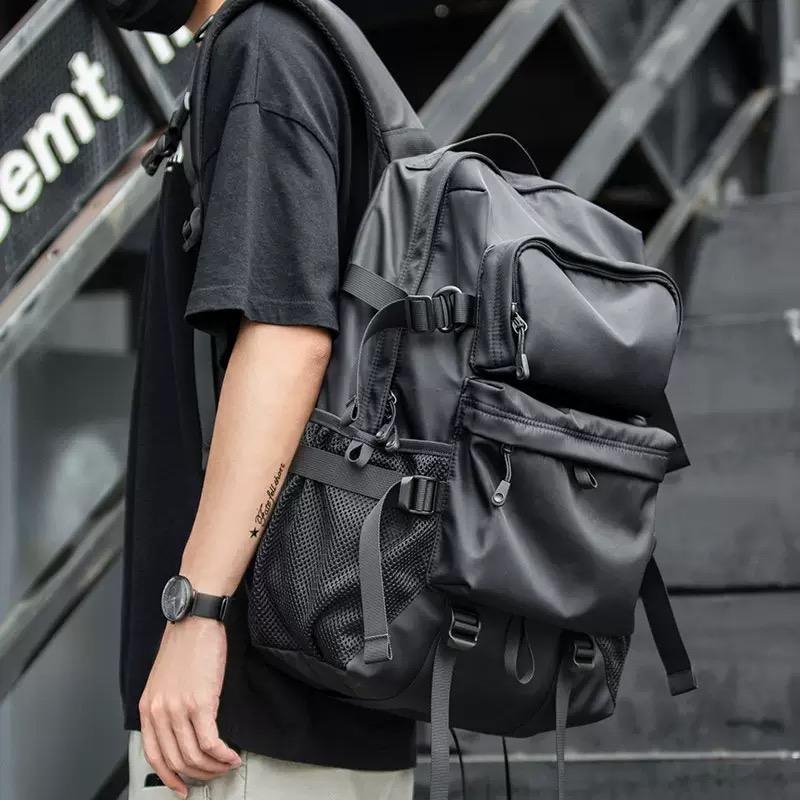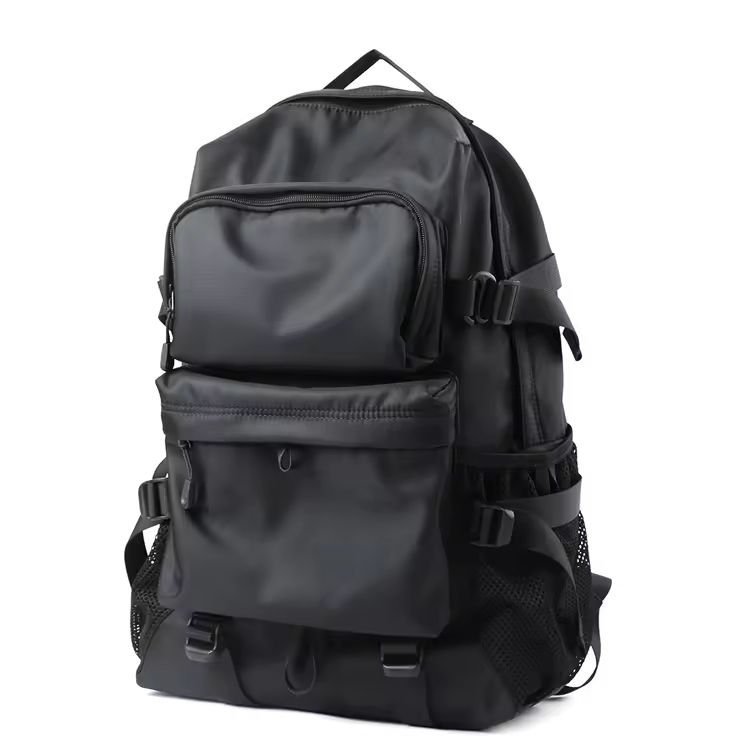
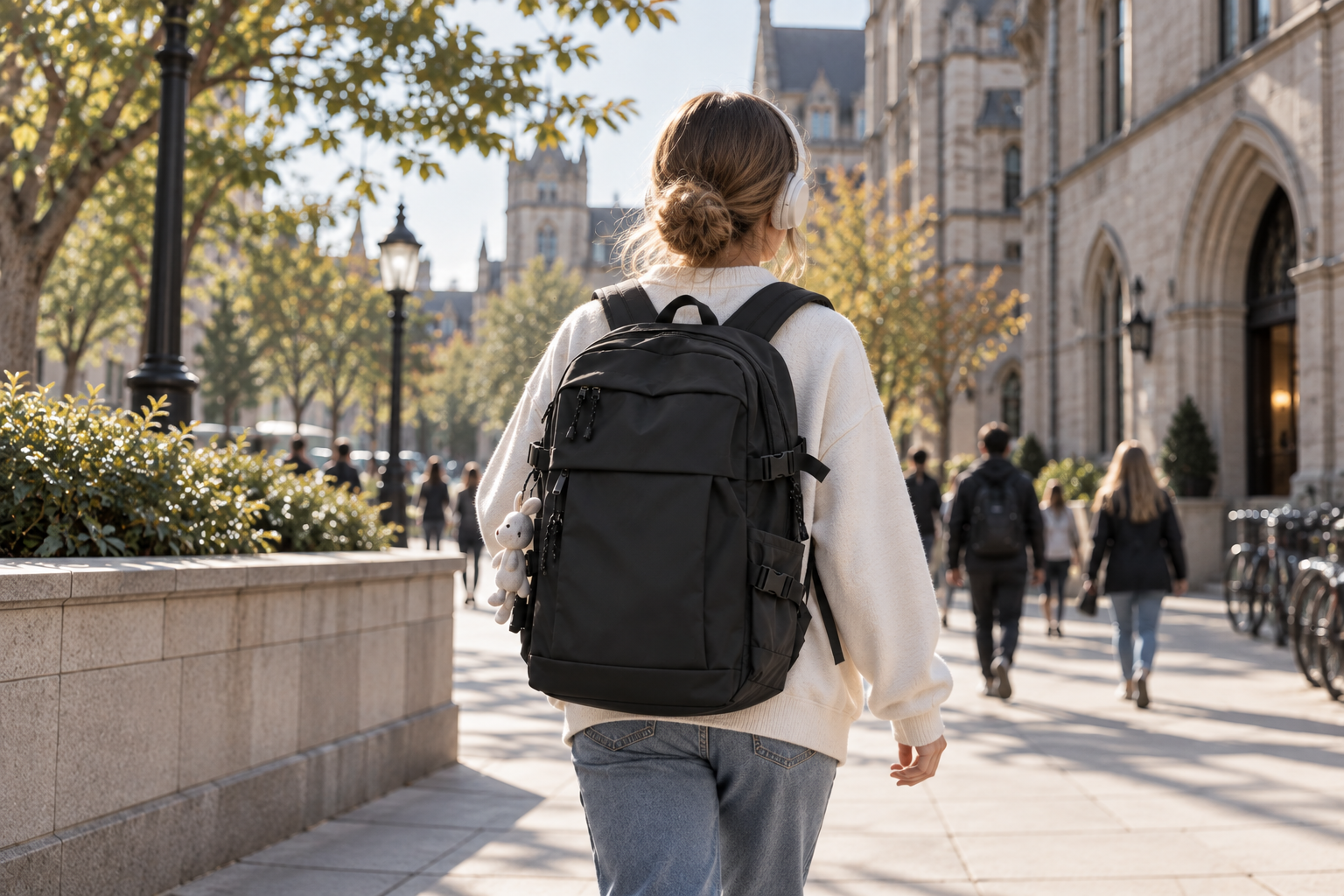
If you’re looking for a casual backpack manufacturer, the term itself covers more ground than it sounds like. “Casual backpack” isn’t one specific style — it’s the everyday, non-corporate, non-technical middle ground between a structured business backpack and a technical hiking pack. Knowing which style and which buyer segment you’re actually sourcing for makes the MOQ and pricing conversation much more accurate. (If you’re sourcing for a corporate or professional context instead, see our Business Backpack Sourcing Guide; for technical outdoor capacity and materials, see our Hiking Bag Manufacturing Guide.)
Who Actually Buys Custom Casual Backpacks?
The end consumer for casual backpacks skews younger than most other backpack categories. High school and college-age students remain the single biggest group of backpack buyers overall, and industry data shows U.S. families spending an average of $87 per student on backpacks for the school year — with students themselves heavily influenced by what their peers carry rather than pure functionality. That matters for B2B sourcing because it shapes what the buyers who come to us are actually trying to do:
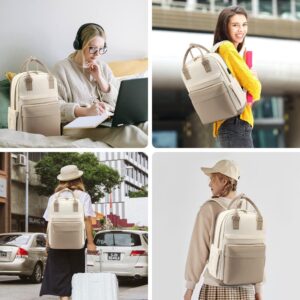
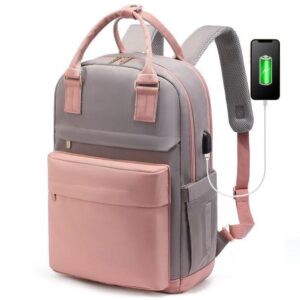
Back-to-school and student-focused retailers. These buyers want an affordable, trend-aware style — school-appropriate capacity, a look that doesn’t feel dated, and a price point that works at volume. Peer influence drives a lot of the actual purchase decision at the consumer level, so styling and color options matter more here than technical features.
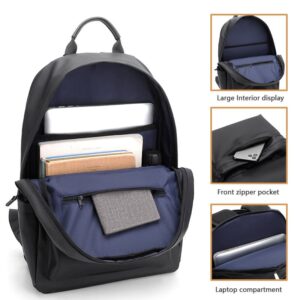
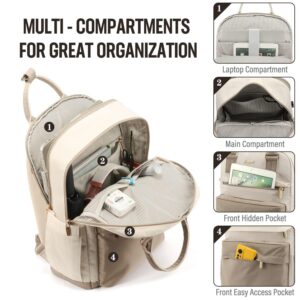
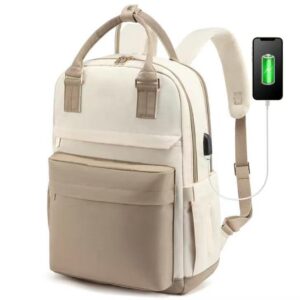
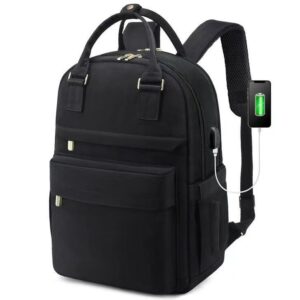
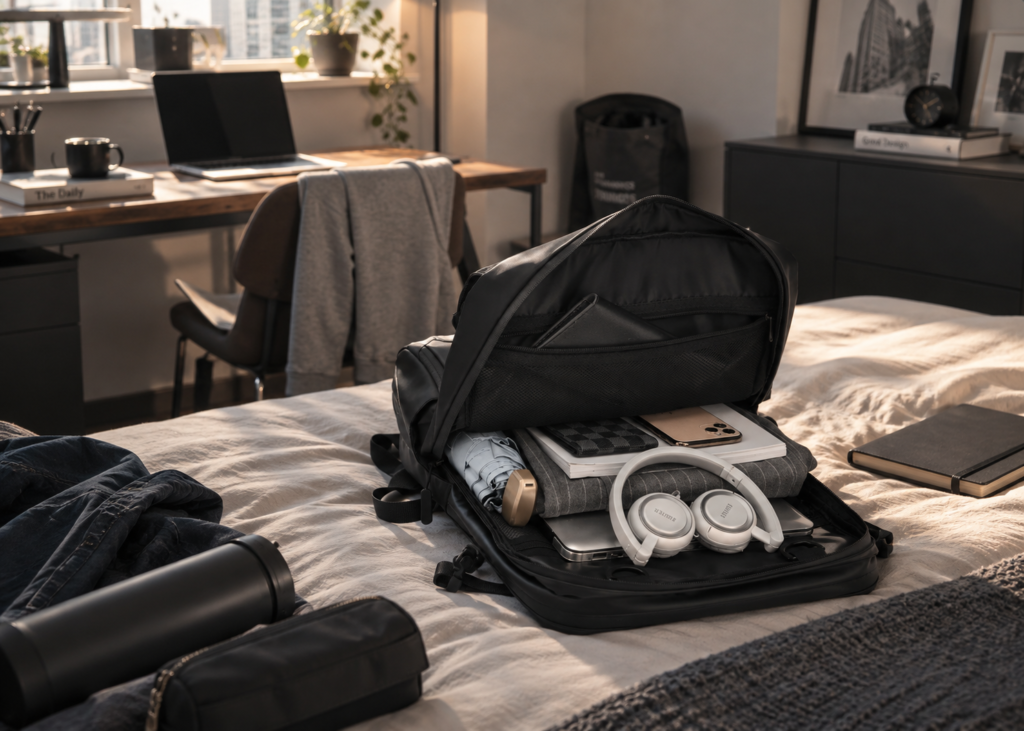
Everyday/lifestyle brands targeting young adults. This buyer wants a cleaner, more minimalist design aimed at commuting, errands, or general daily use rather than school specifically — closer to a “daypack” than a schoolbag, often with a laptop sleeve since a growing share of this buyer’s end customers carry a laptop or tablet daily.
Promotional and gift buyers. Casual backpacks are also a common promotional item — a lower-cost, recognizable format that works as a giveaway or bundled gift, where “good enough” quality at a low price point matters more than premium materials.
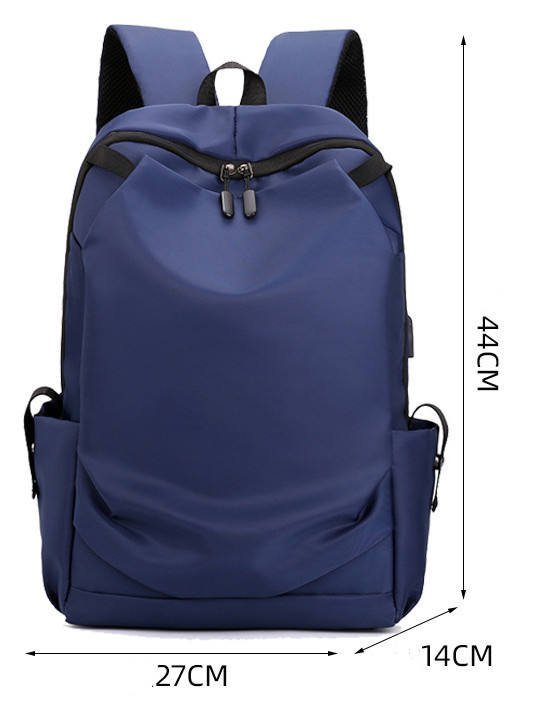
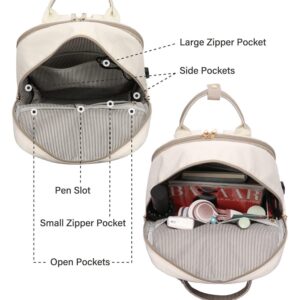
A quick note on terminology, since it affects how you search and how we quote: when a buyer asks generically for a “casual backpack manufacturer,” they’re almost always describing a daypack (single or double main compartment, 18–25L) or a laptop backpack — not a mini backpack, sling bag, or drawstring bag, which are narrower formats buyers tend to search for by their specific name once they already know that’s what they want. “Rucksack” is the same thing as a daypack in most cases — it’s just the more common term outside the US, especially among UK, European, and Australian buyers. Worth knowing so you spec the right format regardless of which term you or your buyer uses.
Material Options
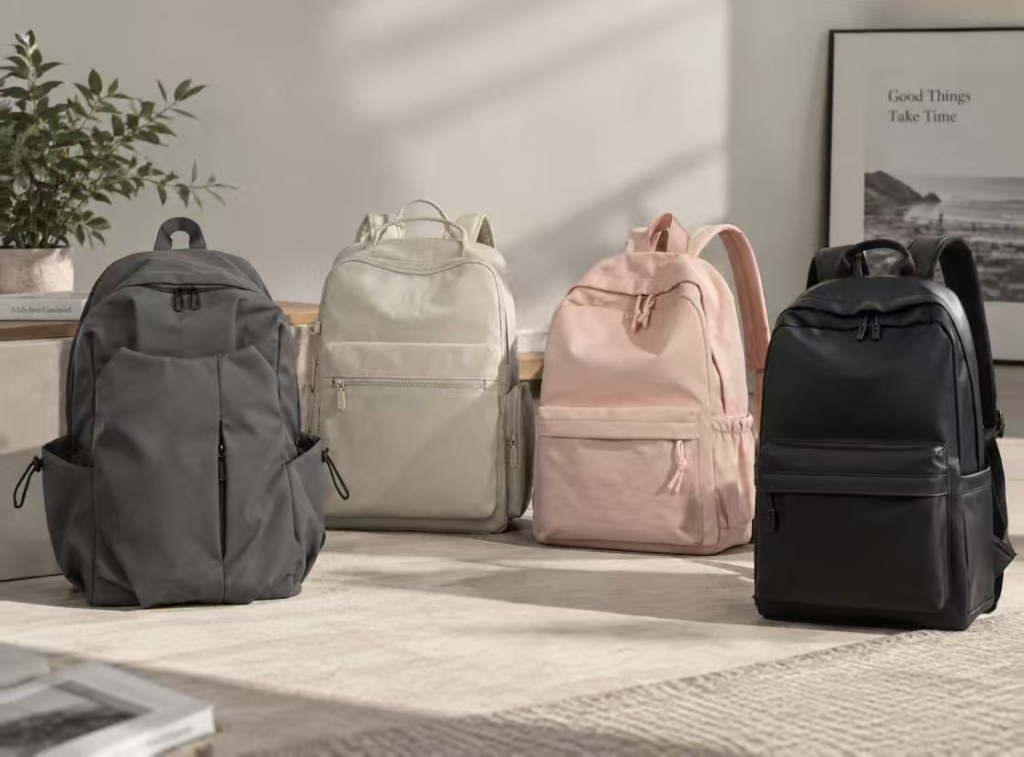
Material choice generally follows which of the buyer segments above you’re sourcing for, and the tradeoffs between the main fabrics are worth understanding rather than picking on price alone.
Canvas and Oxford fabric. Both hold their shape well and read as a more classic, structured look — a good fit for school and general everyday use. Neither is naturally water-resistant on its own; Oxford fabric in particular needs a PU or PVC coating to hold up in wet conditions, which is worth specifying if your buyers will use the bag outdoors regularly. Between the two, canvas tends to be the more budget-friendly choice at volume, while Oxford holds a slightly more polished, structured shape.
Nylon. Lighter than canvas or Oxford, and more naturally water-resistant even without a coating — its tighter weave blocks moisture better on its own. It’s also easier to fold flat and pack down, which is part of why it’s the more common choice for commuter-focused laptop backpacks and anything marketed around portability. The tradeoff is a less structured, more casual shape compared to Oxford.
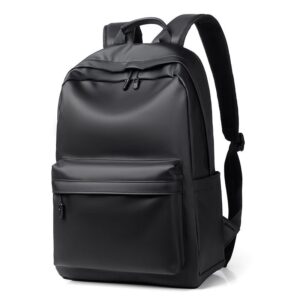
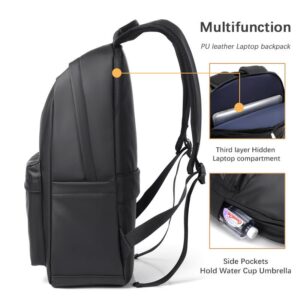
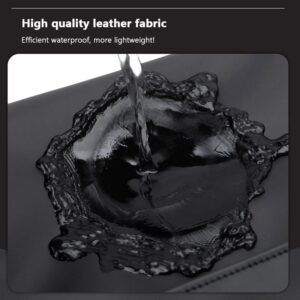
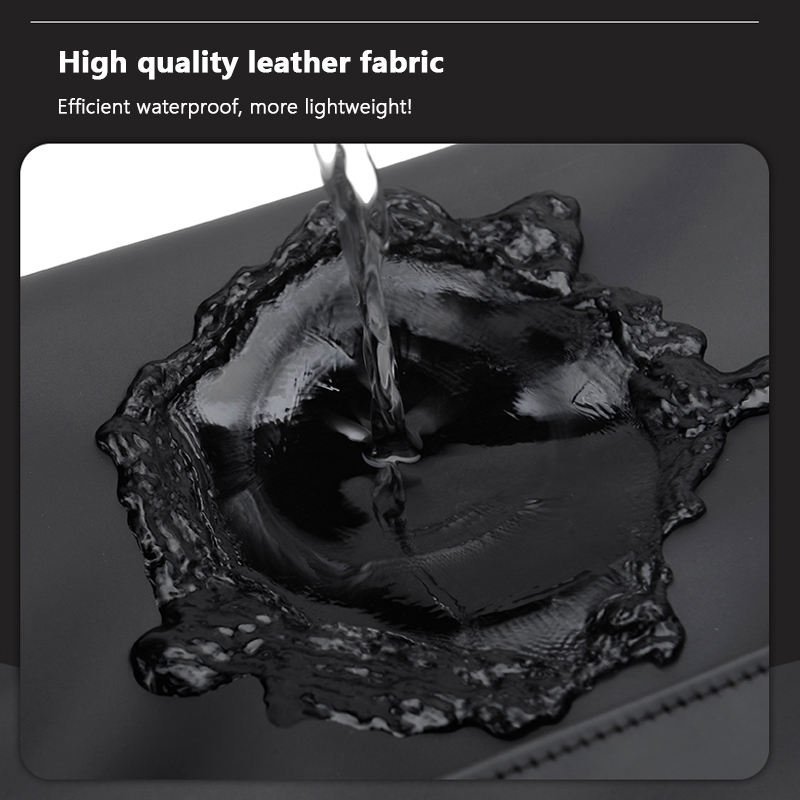
PU leather. A more polished, fashion-forward look — better suited to a more accessory-driven casual style than a rugged daypack. It doesn’t hold up to heavy daily wear the way canvas or nylon do, so it’s a better fit for a style-first buyer than one prioritizing durability.
For a broader comparison of backpack fabrics (weight, durability, cost), see our Backpack Material Guide.
What to Have Ready Before You Request a Quote
Since “casual backpack” spans several buyer segments and materials, a quote comes back faster and more accurately the more of this you can specify upfront:
- Target buyer and price point. Student/back-to-school, commuter, or promotional — this alone narrows the material and construction level significantly.
- Capacity. Roughly how many liters, or what it needs to hold (a laptop size, textbooks, daily essentials).
- Material preference, if you already have one, or whether you want a recommendation based on the buyer segment above.
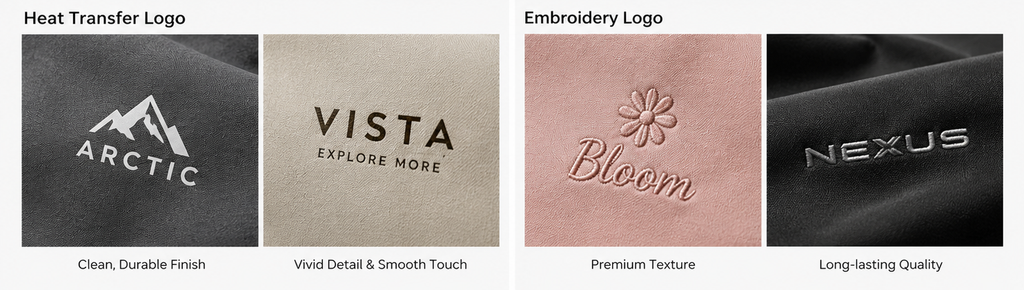
- Branding. Whether you need a visible logo (student/promotional) or a more understated placement (commuter), and which technique — heat-transfer, embroidery, or another method.
- Order size. Even a rough estimate helps us tell you upfront whether you’re in wholesale-tier territory (50 units) or full-customization territory (300–500 units).
Branding & Customization
Branding needs differ across the three buyer segments above. Student/back-to-school buyers typically want a visible logo or pattern — this is a peer-driven purchase, so a recognizable look matters more here than it does for other backpack categories. Heat-transfer printing or embroidery on canvas and Oxford fabric both work well for this and don’t require a large order at the wholesale tier. Commuter/laptop buyers tend to want more understated branding — a small logo on the front pocket or strap rather than a large graphic — since the bag is meant to look clean and professional-adjacent even though it’s not a true business backpack. Promotional buyers usually want the opposite: a bold, highly visible logo, since the backpack itself is functioning as the advertisement.
Ordering Around Back-to-School Seasonality
One thing worth planning around if you’re sourcing for the student segment specifically: demand for this category is heavily seasonal, concentrated around the back-to-school period (August in most Western markets). Sourcing guidance in this category generally recommends planning inventory around 4 months ahead of that peak, since standard OEM lead times already run 30–60 days before shipping and buffer time is even more important heading into the industry’s busiest stretch. Commuter and promotional buyers don’t see the same seasonal spike, so this is mainly a consideration for anyone building specifically around the student/back-to-school segment.
MOQ & Pricing
Casual backpacks follow the same MOQ structure we use across our backpack lines: wholesale or heat-transfer logo orders start at 50 units; other customization (embroidery, hardware, structural changes) generally requires 300–500 units, since smaller runs don’t spread out the tooling and setup cost enough to be practical. Pricing scales with material and customization level rather than a single fixed rate — a canvas daypack, a nylon laptop backpack, and a PU leather mini backpack will all price differently, so it’s worth specifying which style and buyer segment you’re sourcing for when you request a quote.
Frequently Asked Questions
What’s the minimum order for a custom casual backpack? 50 units for wholesale or heat-transfer logo orders on existing styles. Other customization — embroidery, added hardware, structural changes — generally starts at 300–500 units.
Is a casual backpack the same as a business backpack? No. A business backpack is built for a professional context — polished materials, laptop protection, often a more structured or corporate look. A casual backpack is for everyday, non-corporate use and doesn’t carry that professional styling requirement. See our Business Backpack Sourcing Guide if you’re sourcing for the corporate use case instead.
What’s the difference between a daypack and a rucksack? They overlap heavily. “Daypack” is the more structured, organized version; “rucksack” is a term (more common outside the US) for a roomier, less structured casual backpack, often in canvas.
What material should I choose for a student or back-to-school line? Canvas or Oxford fabric are the most common choices — durable, affordable at volume, and well suited to the daypack and rucksack styles this buyer segment usually wants.
What material should I choose for a commuter or laptop-focused line? Nylon is the more common choice here — lighter and more water-resistant, and better suited to a padded laptop compartment than canvas.
Do I need to decide on one buyer segment, or can a product line cover more than one? You can cover more than one, but it’s worth treating them as separate SKUs rather than one bag trying to serve every buyer. A style built to look trend-aware and affordable for the student segment isn’t the same spec as a minimalist commuter daypack, and trying to combine both usually means the bag doesn’t fully satisfy either buyer.
Whether you’re building a student-focused line, a commuter daypack, or a promotional giveaway backpack, our team can help you match the style, material, and MOQ to the buyer you’re actually targeting. Learn more about how we structure custom projects in our OEM vs. ODM guide.