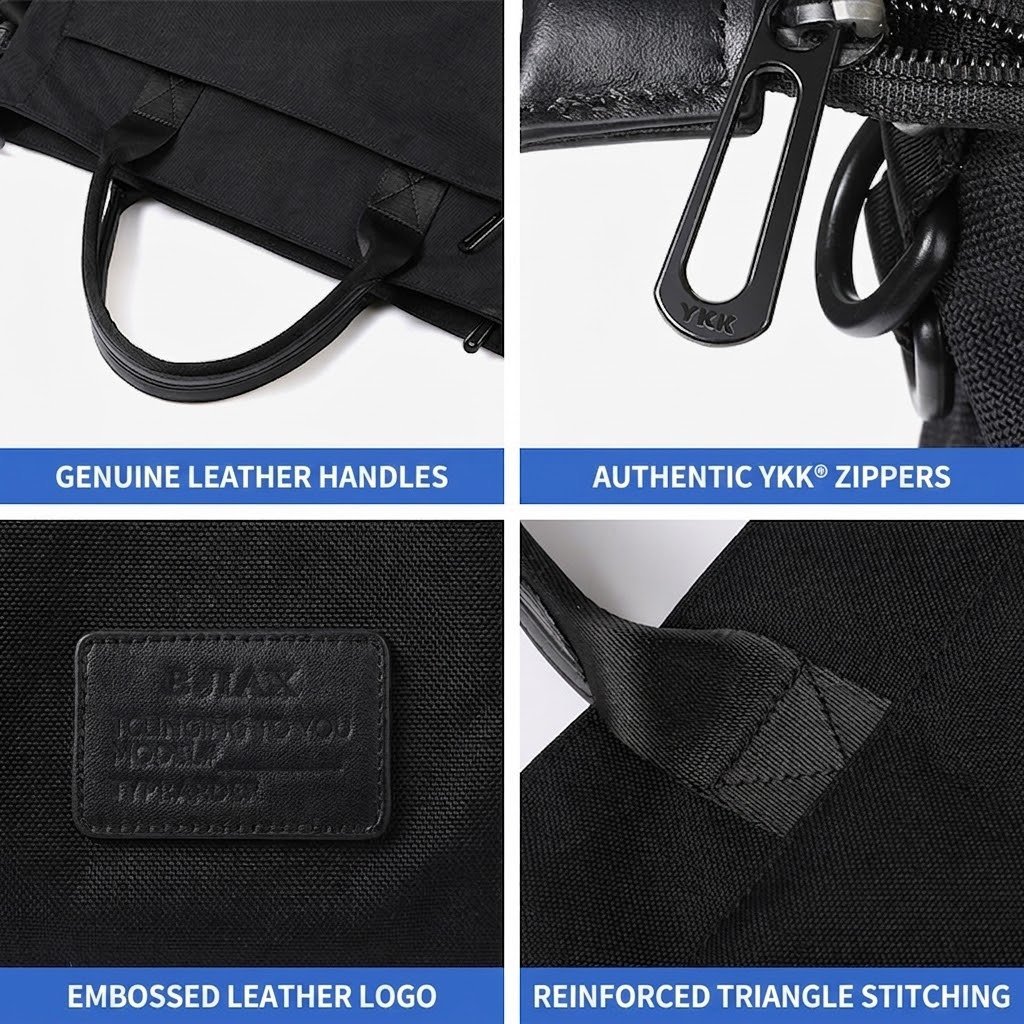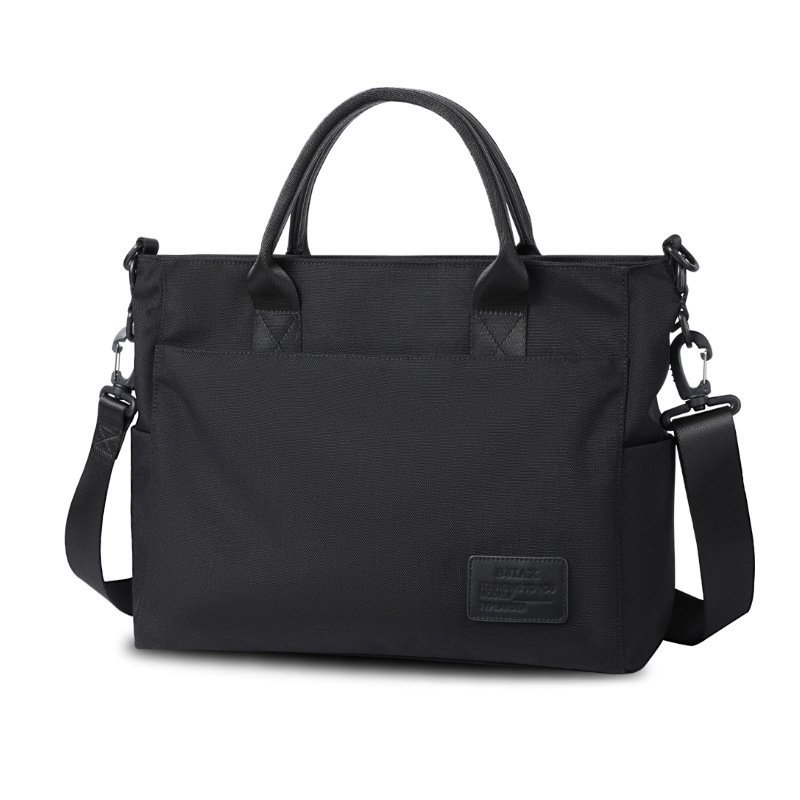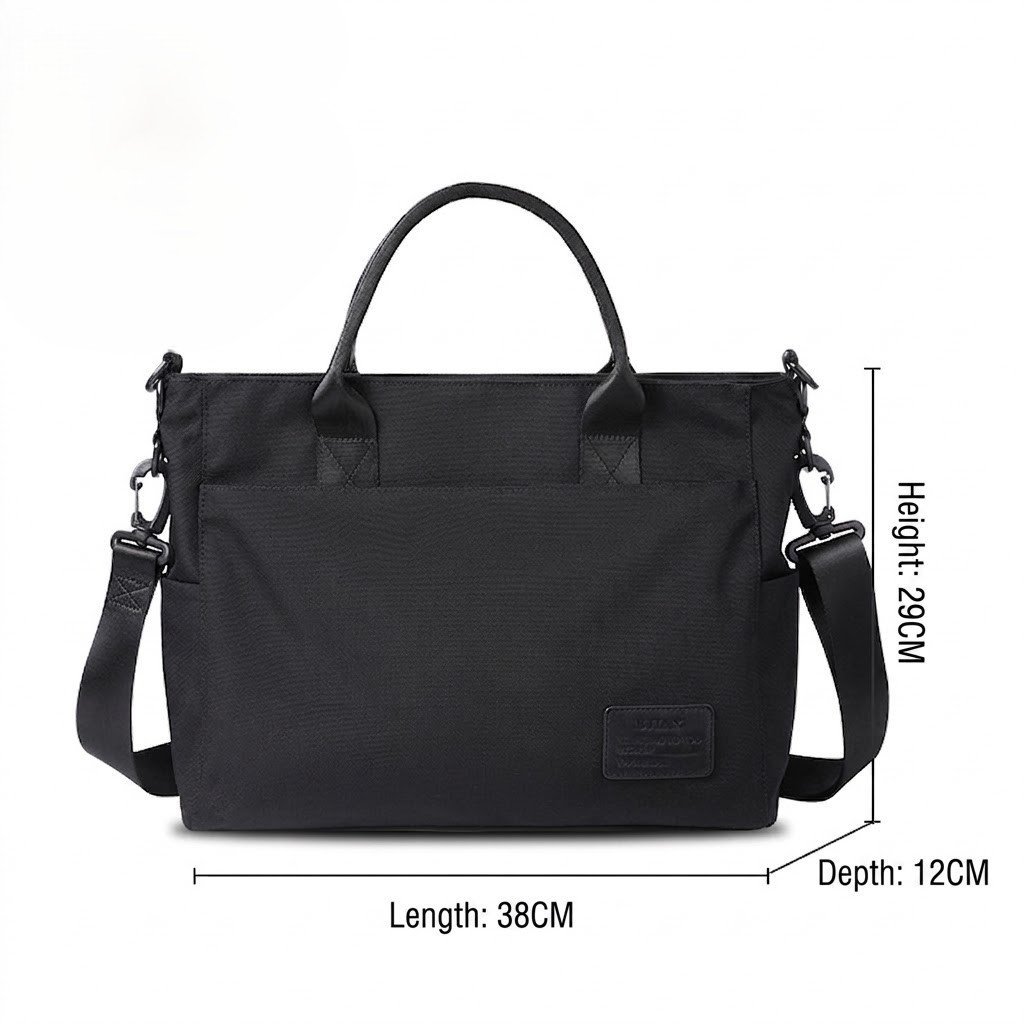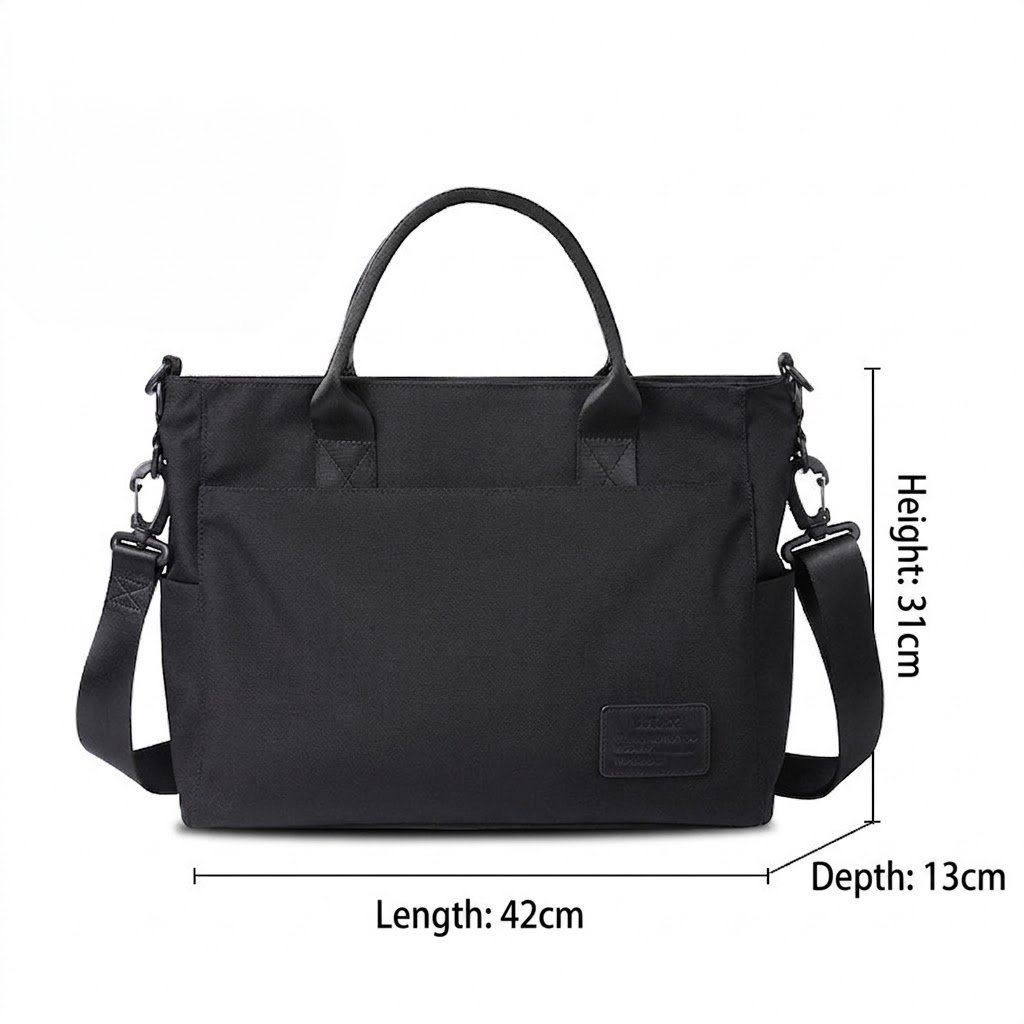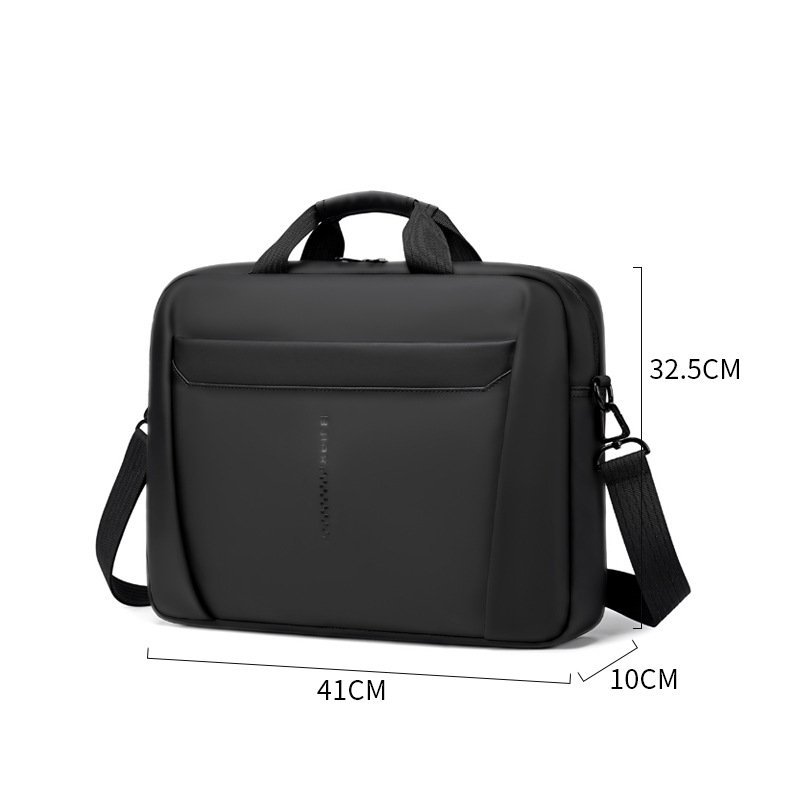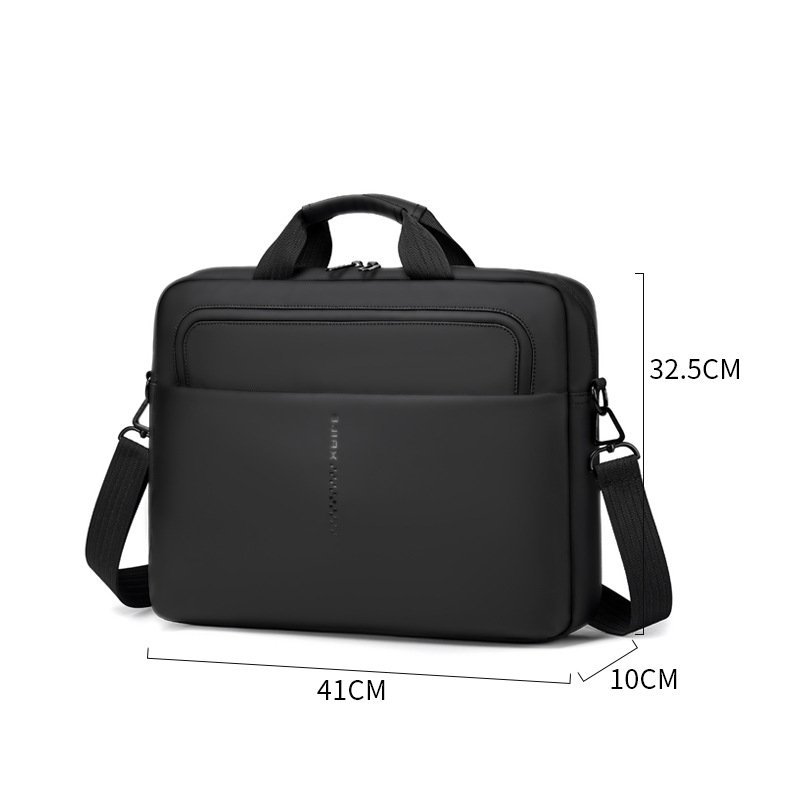
For distributors, promotional product resellers, and procurement teams sourcing custom bags in bulk.
If you’ve never ordered custom bags before, the terminology alone can be confusing — messenger bag, briefcase, laptop bag, business bag, satchel. Add sourcing questions on top of that (What’s a normal MOQ? What material should I even ask for? How long does this take?) and it’s easy to feel like you’re missing context everyone else already has.
This guide starts from the basics and works up. By the end, you’ll know what to ask a supplier, what a fair price looks like, and what actually happens between placing an order and receiving boxes at your door. If you’d rather talk it through directly, our team is happy to walk through your spec — get in touch here.
1. What Do We Actually Mean by “Messenger Bag” and “Briefcase”?
These terms get used loosely, so it helps to pin them down:
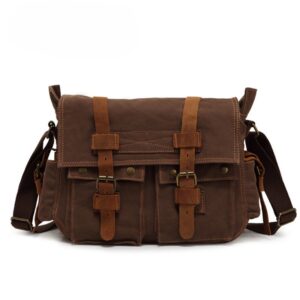
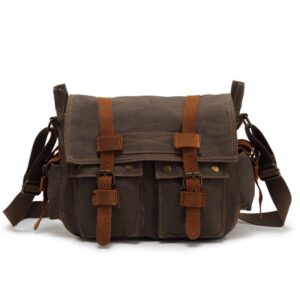
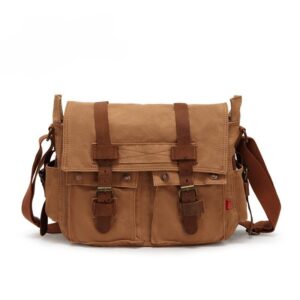
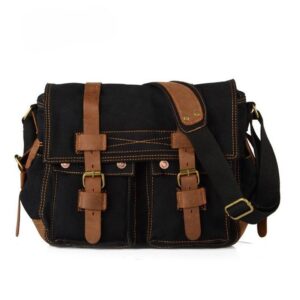
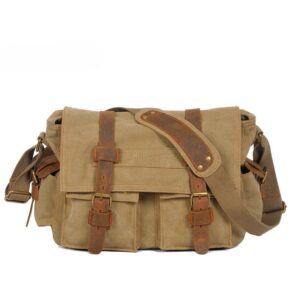
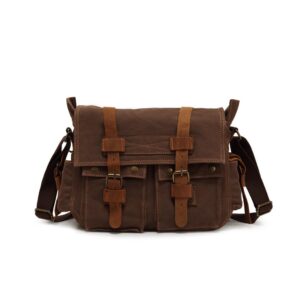
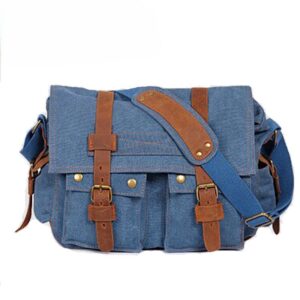
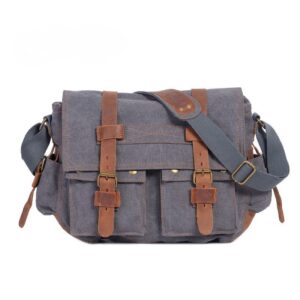
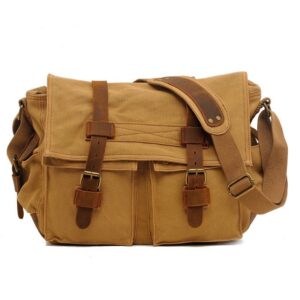
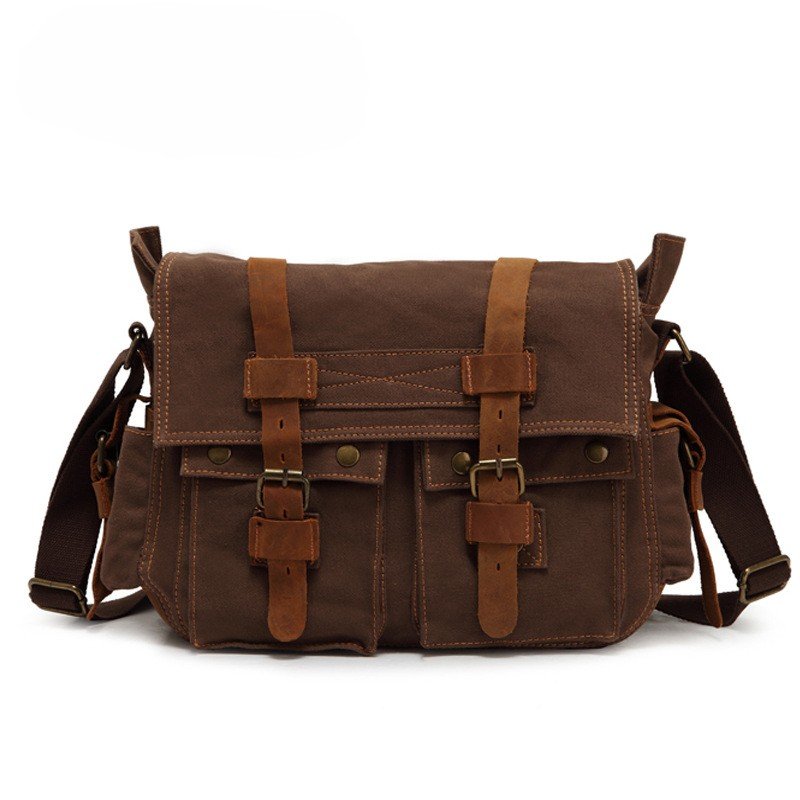
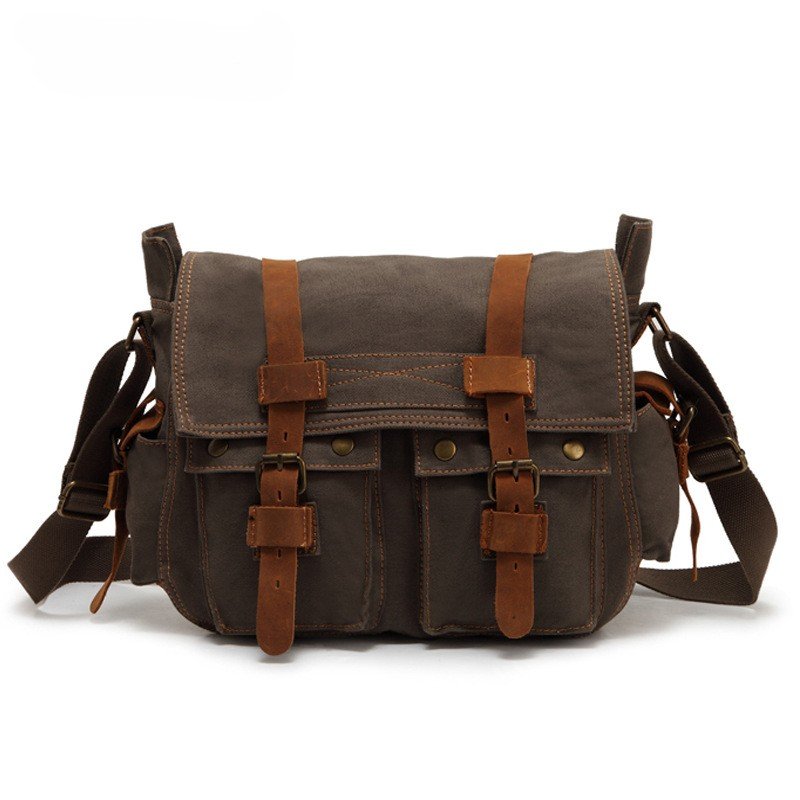
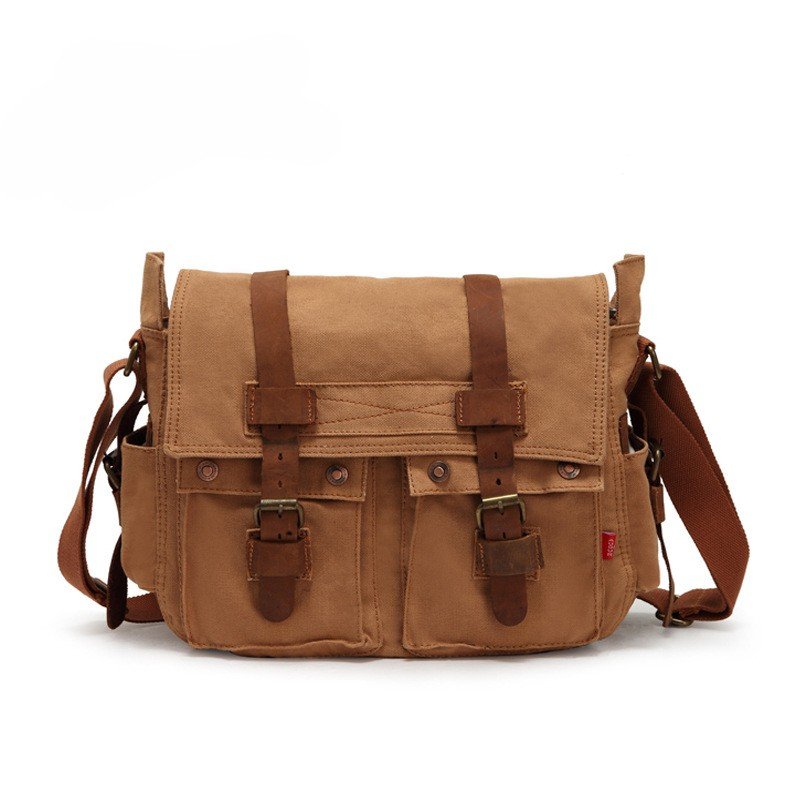
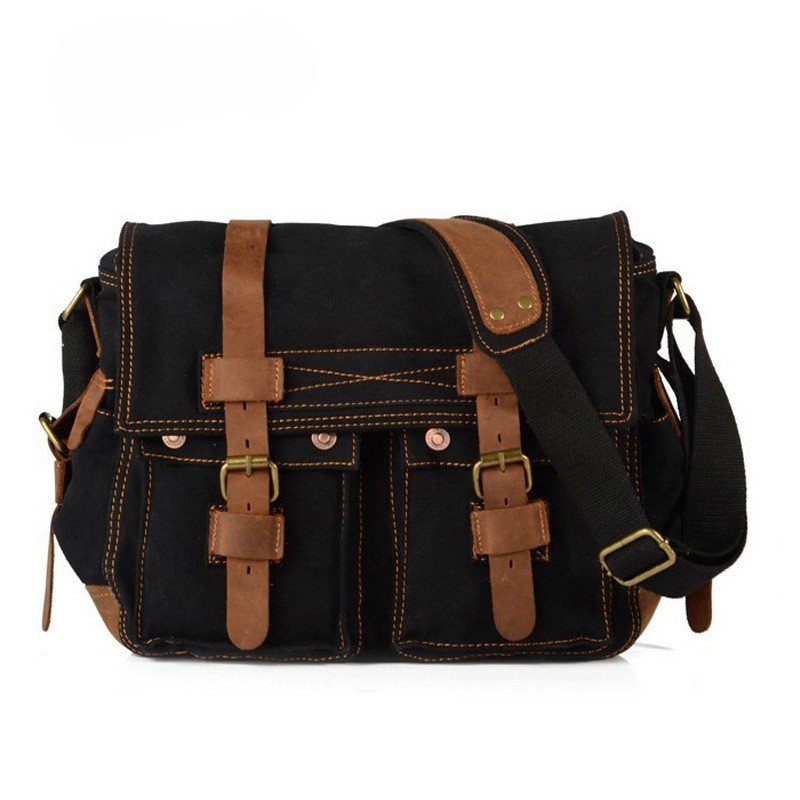
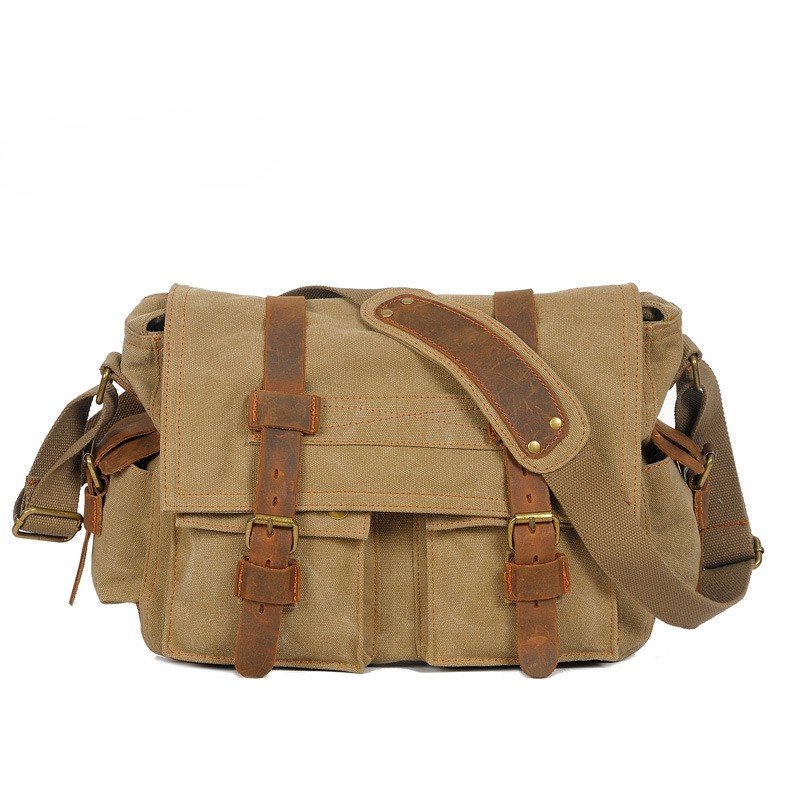
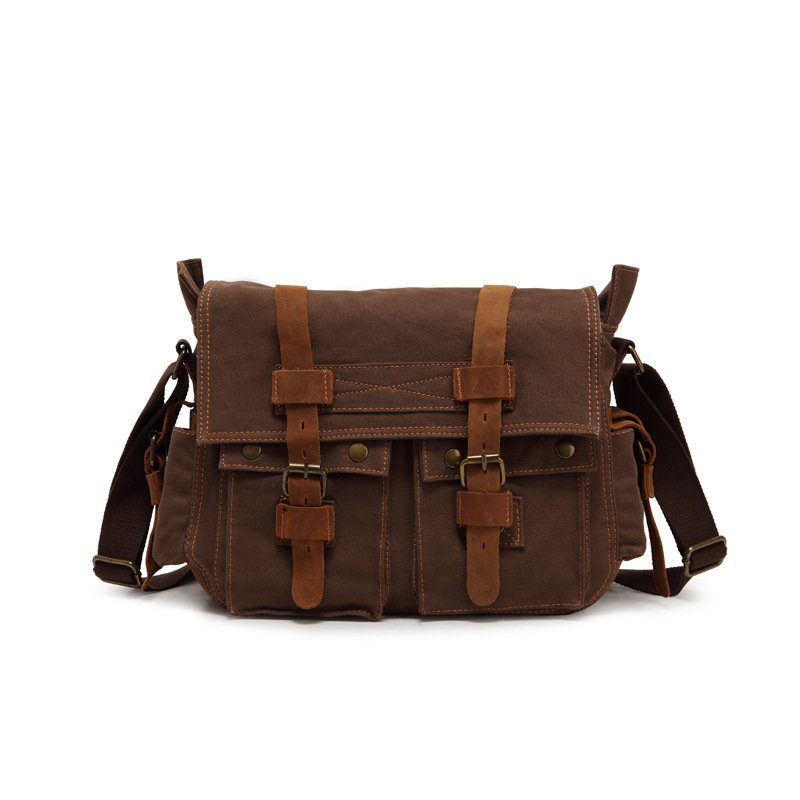
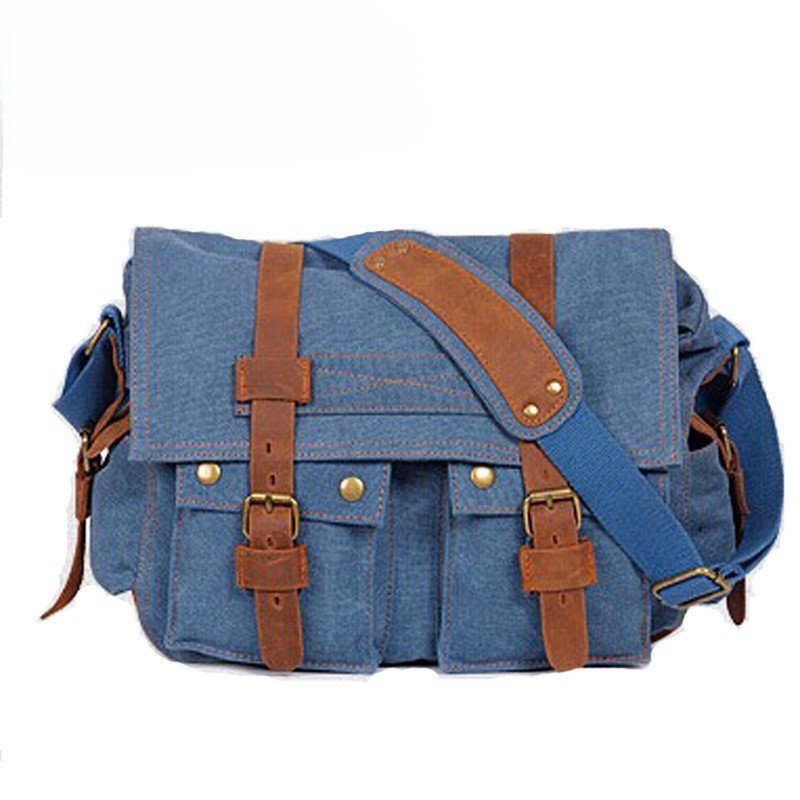
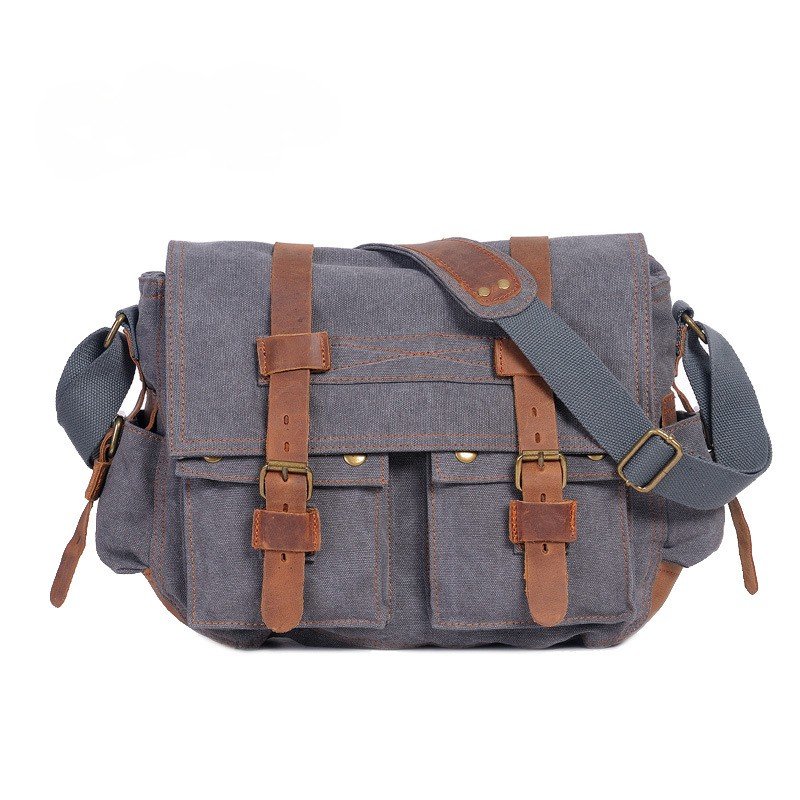
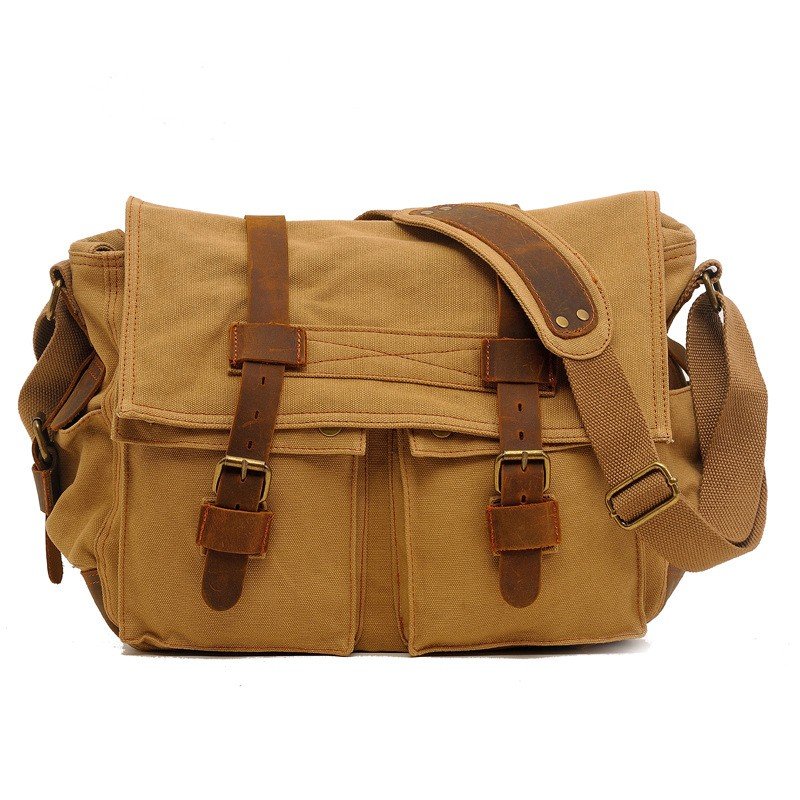
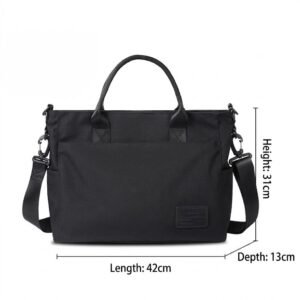
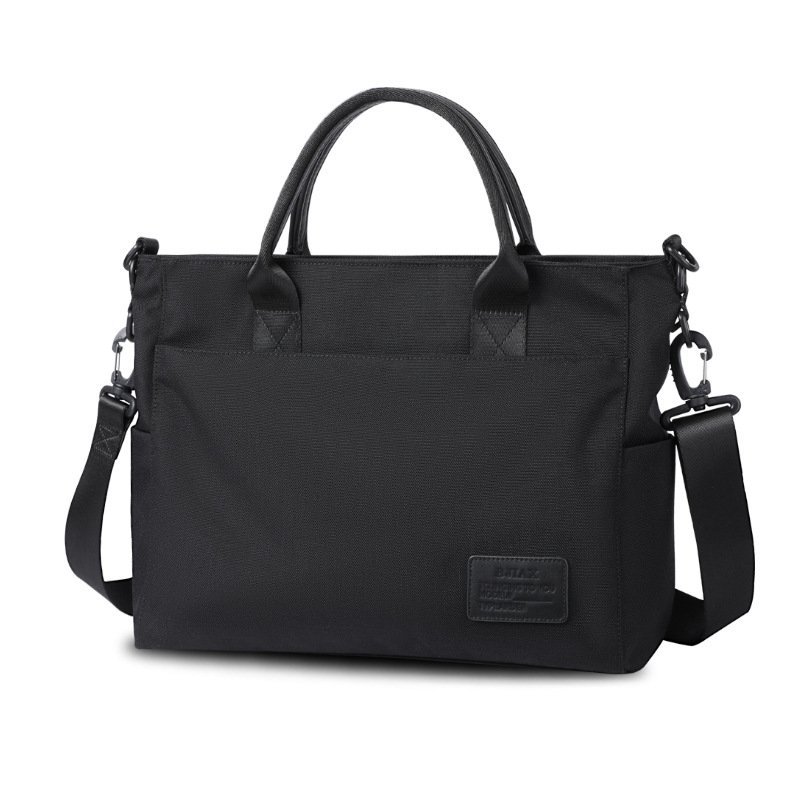
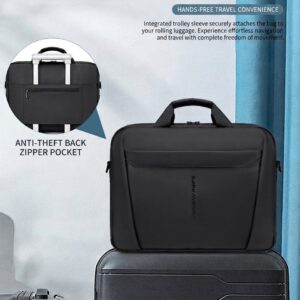
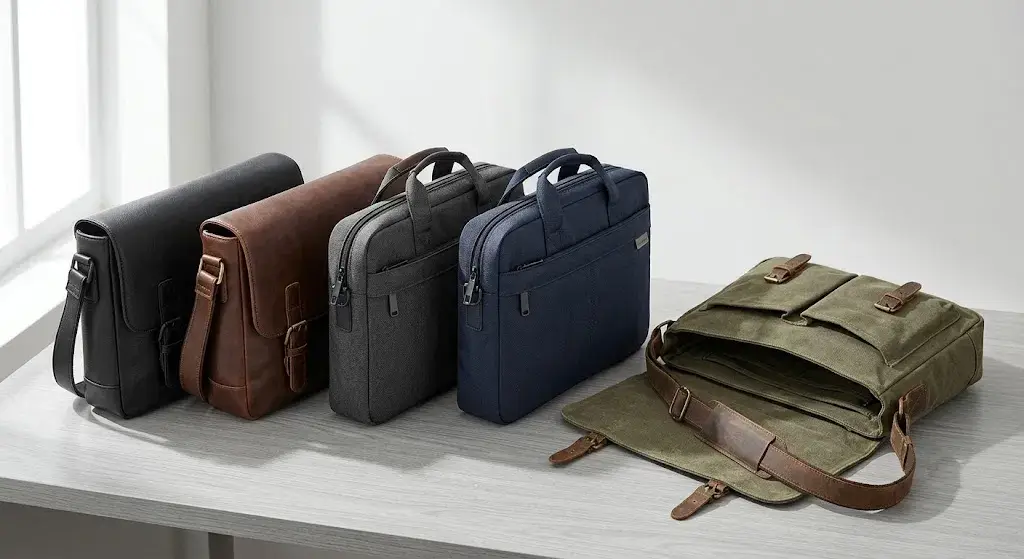
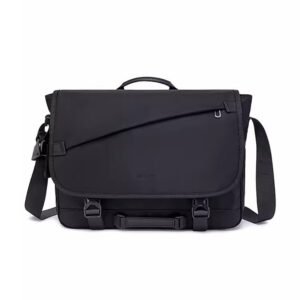
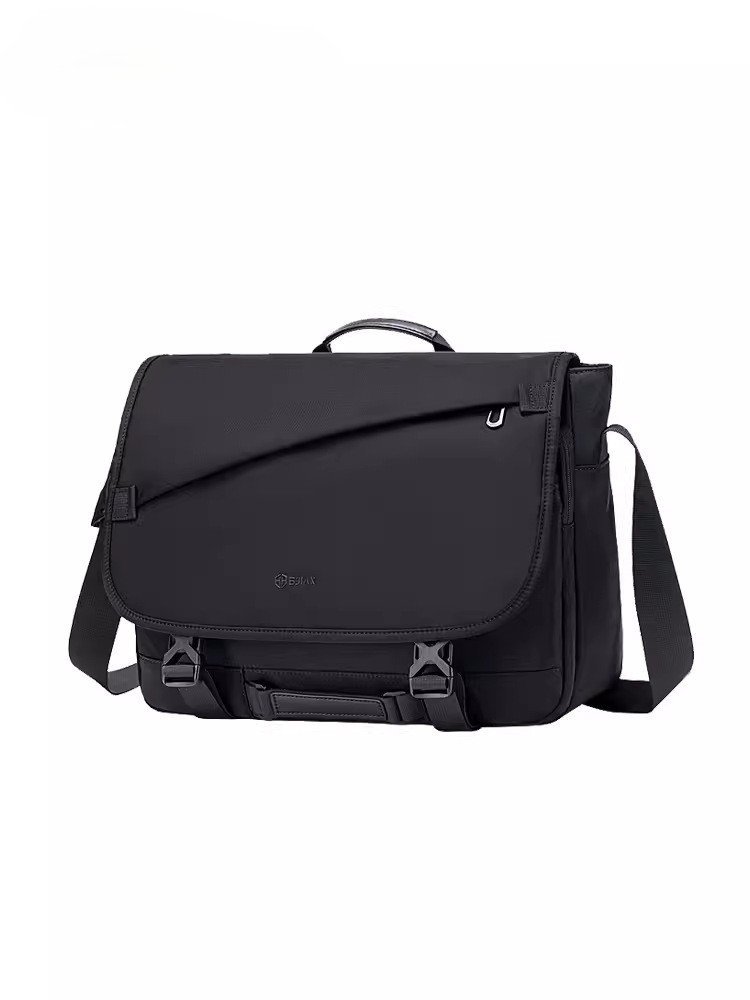
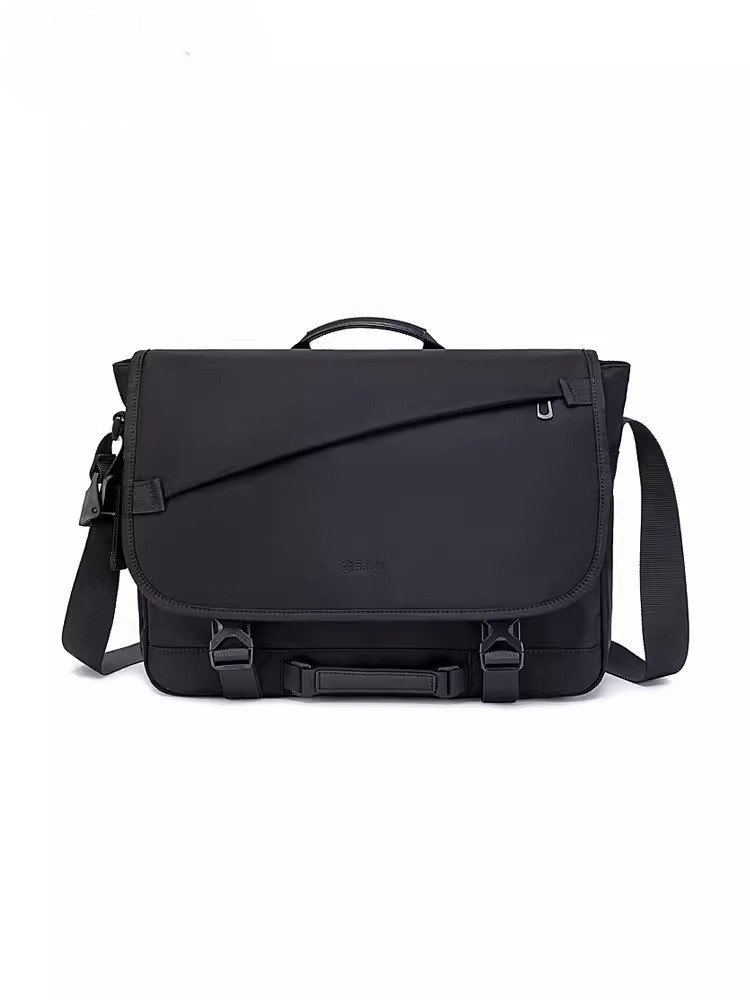
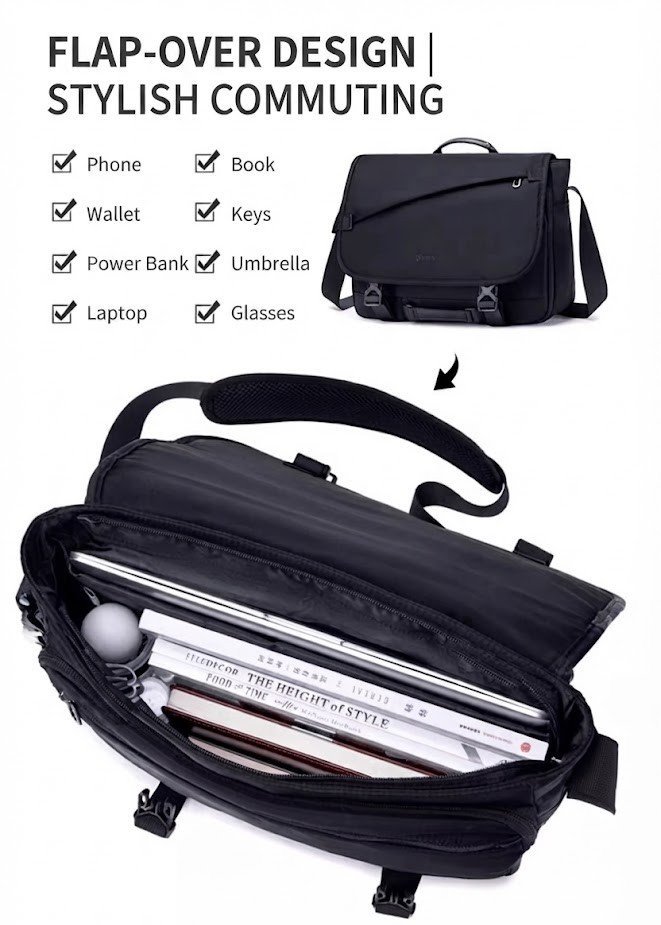
- Messenger bag — a single-strap, cross-body bag, usually with a flap-over top closure. Casual to semi-formal in feel.
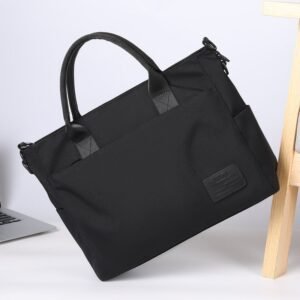
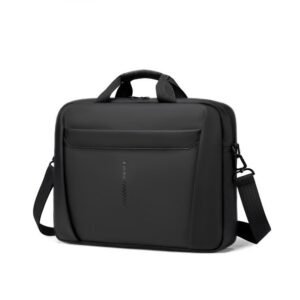
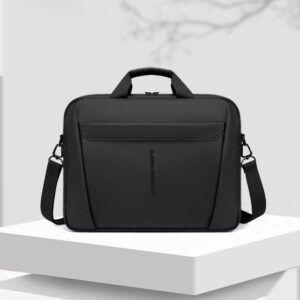
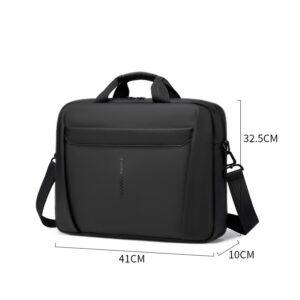
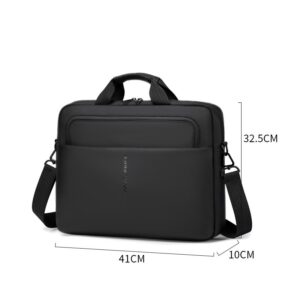
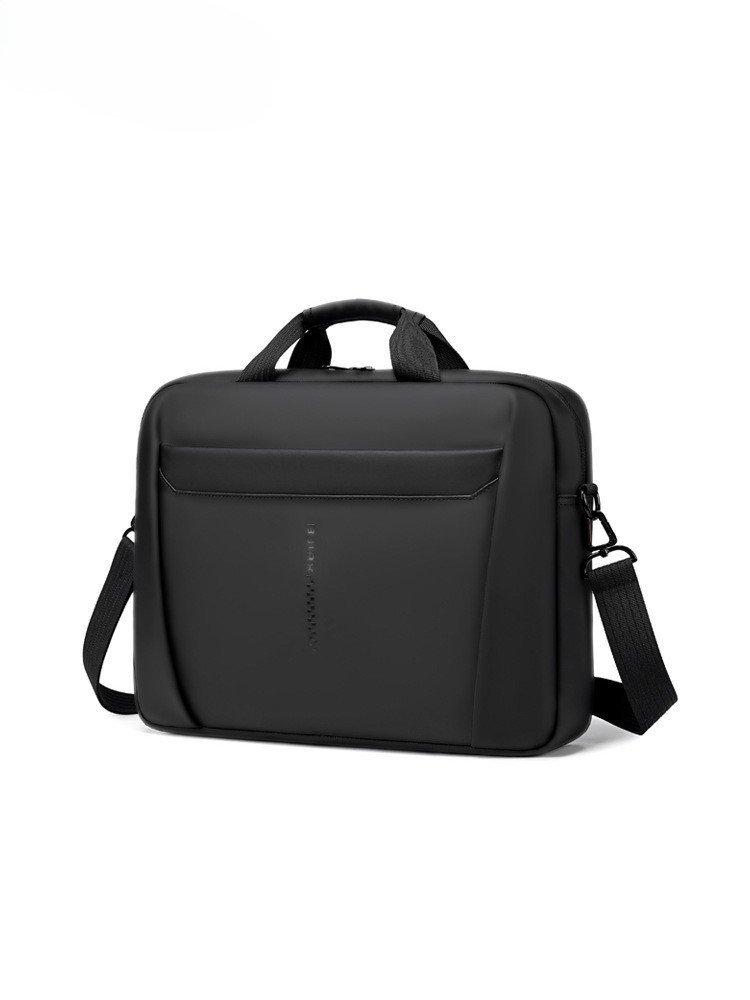
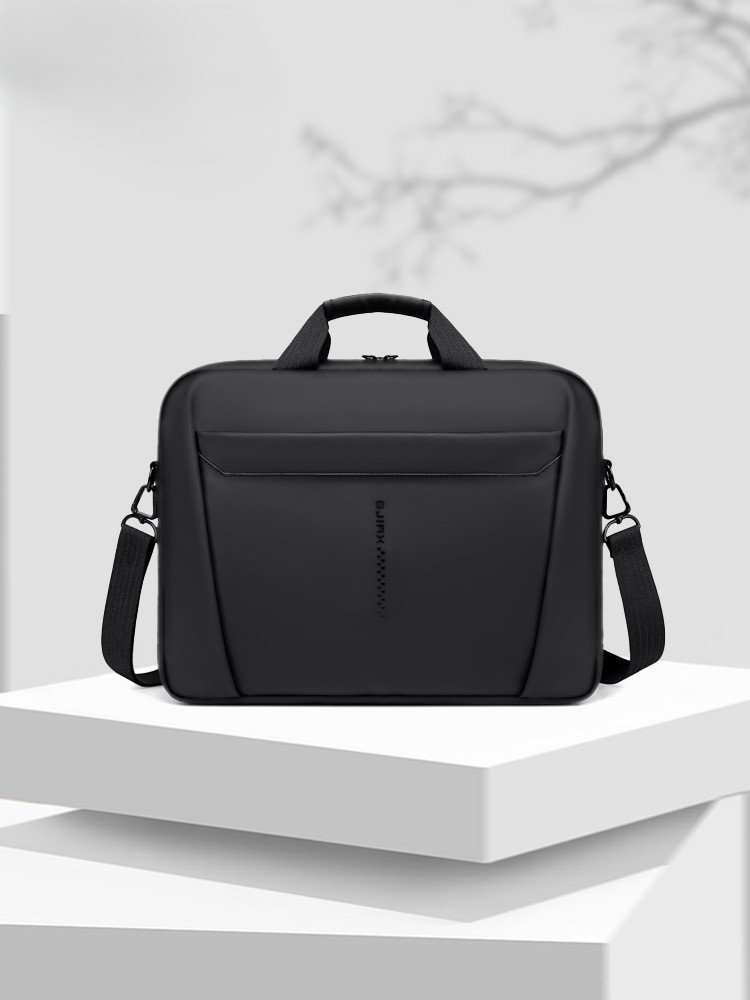
- Briefcase — a structured, rigid-shaped bag, traditionally carried by a top handle, sometimes with a secondary shoulder strap. Reads as more formal.
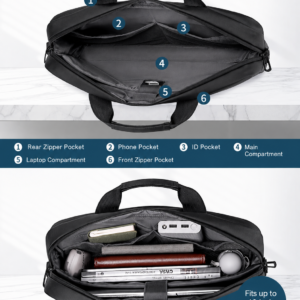
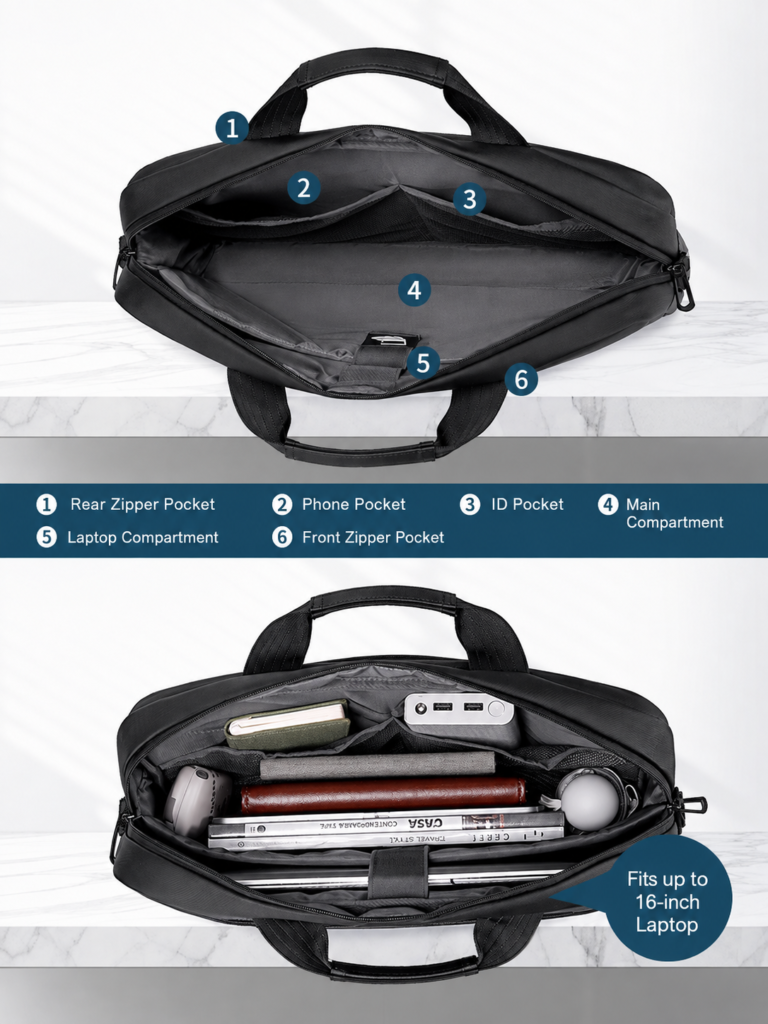
- Business bag / laptop bag — a broader catch-all term some buyers use for either style, as long as it has a padded laptop compartment.
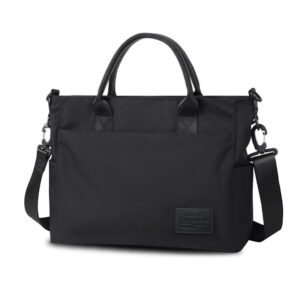
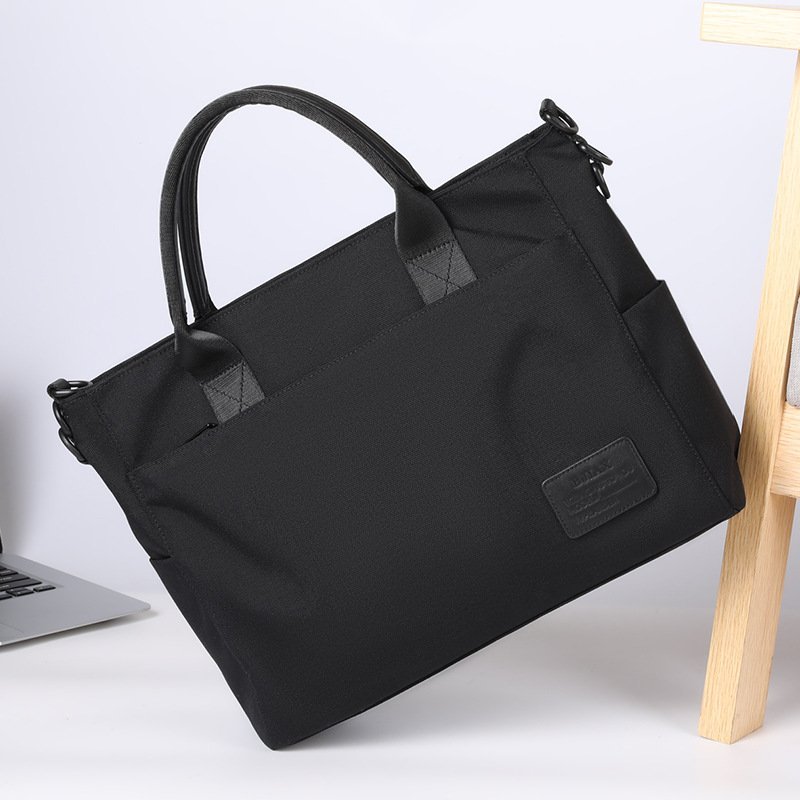
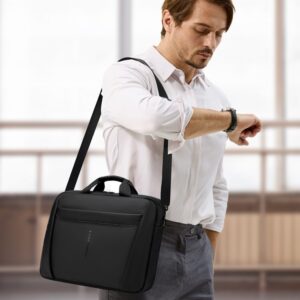
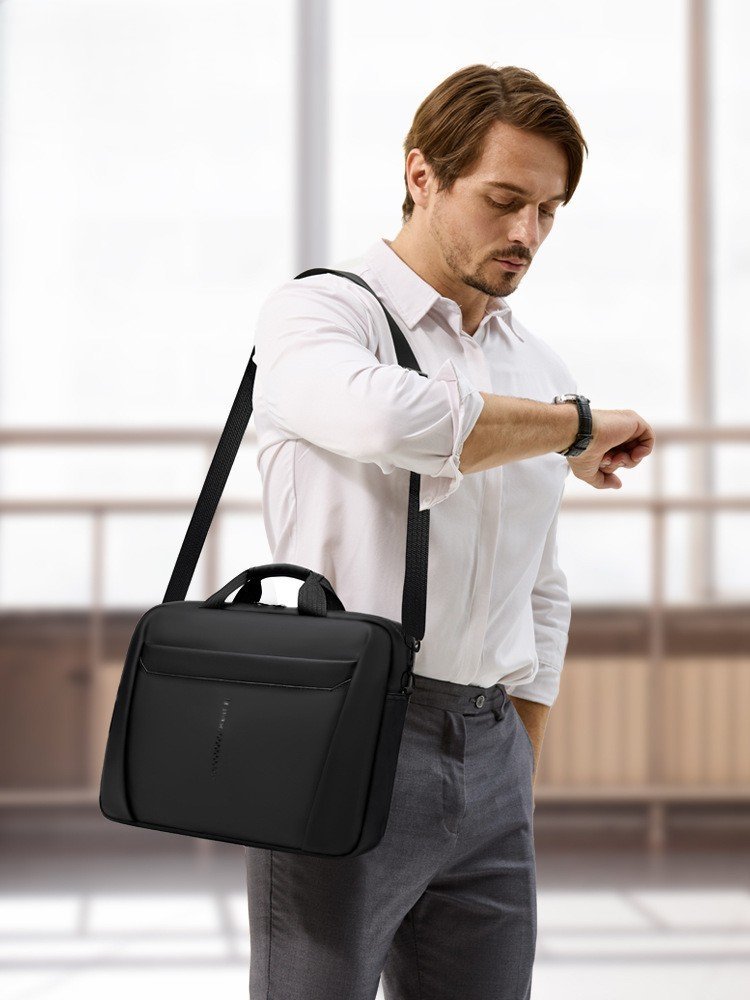
In practice, a lot of what’s ordered today blurs these lines — a semi-structured bag with a detachable strap that works as either. If you’re not sure which term to use when you reach out to a supplier, that’s completely normal; describe how it will be used (carried to the office, given away at an event, worn cross-body) and a good supplier will help you land on the right silhouette.
2. Who Actually Buys These in Bulk?
It helps to know where you fit, because it changes what matters most in your order:
Promotional product distributors and resellers. This is the largest group ordering custom messenger bags and briefcases at scale. You’re sourcing on behalf of many different end clients — companies, schools, event organizers — so consistency across a batch and a controllable per-unit cost usually matter more than premium materials. (The Advertising Specialty Institute is a useful reference if you want to understand how this reseller model works more broadly.)
Corporate procurement / HR teams. Ordering directly for onboarding kits, employee gifts, or client appreciation. Batch sizes are often smaller and more occasional, and how the bag looks and feels matters more than squeezing the unit price down. If this is you, our corporate backpack sourcing guide covers the equivalent process for backpacks in more depth.
Schools, associations, and event organizers. Conference bags, alumni gifts, membership kits — usually price-sensitive, mid-size batches, simple one-color branding.
Retail and e-commerce brands. Building their own product line to sell directly to consumers — smaller MOQs to start, more focus on design uniqueness and packaging presentation.
If you’re a distributor buying for other people’s brands, keep that in mind as you read the rest of this guide — several of the sourcing questions matter more for you specifically (we’ll flag them as we go).
3. Materials 101: PU, Oxford, Canvas, and Leather
You don’t need to be a textile expert, but knowing the basic categories will save you a lot of back-and-forth with suppliers.
| Material | What It Is | Good For |
|---|---|---|
| PU (Polyurethane) leather | A synthetic material that mimics the look of leather, applied as a coating over a fabric base | Budget-to-mid tier bags that need a “leather look” without the cost or upkeep of real leather |
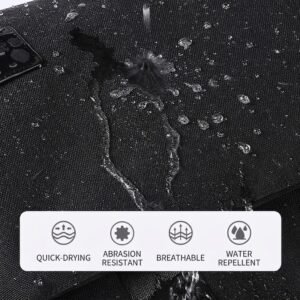
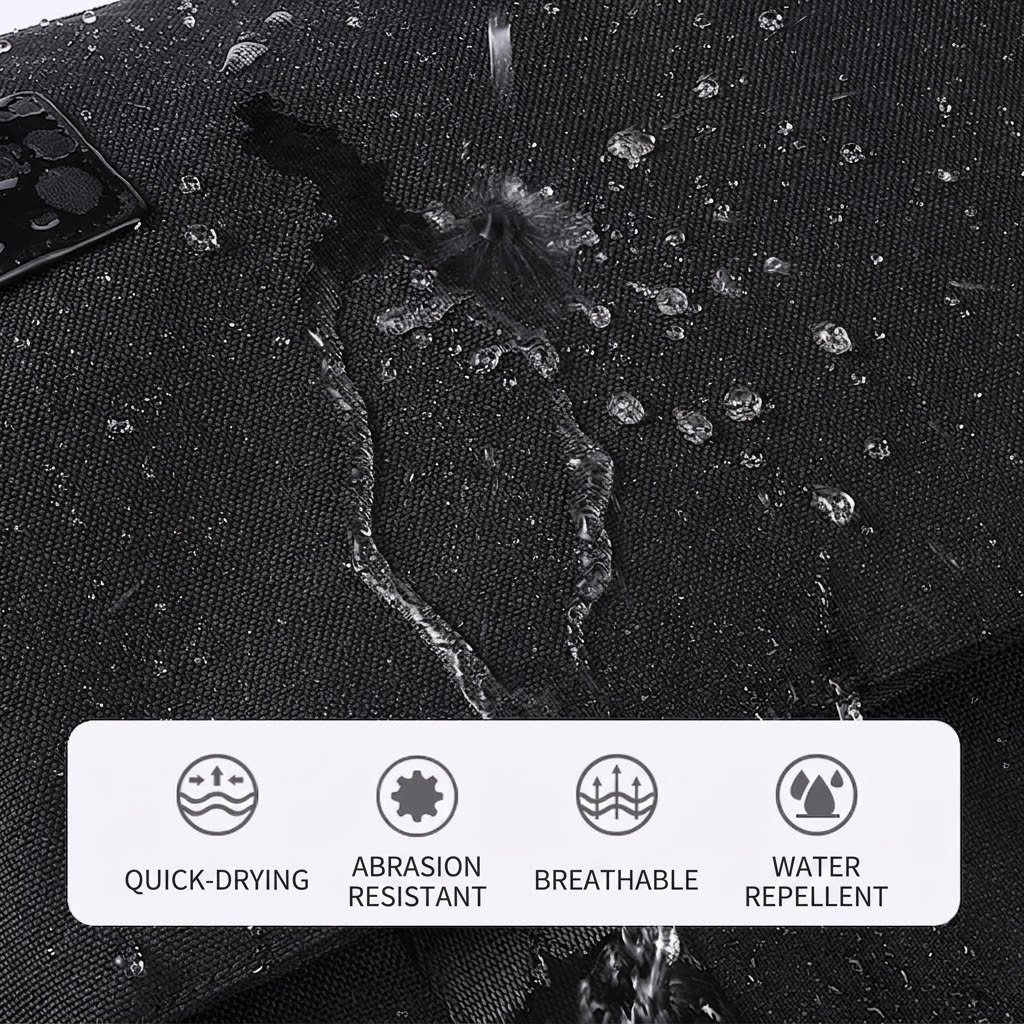
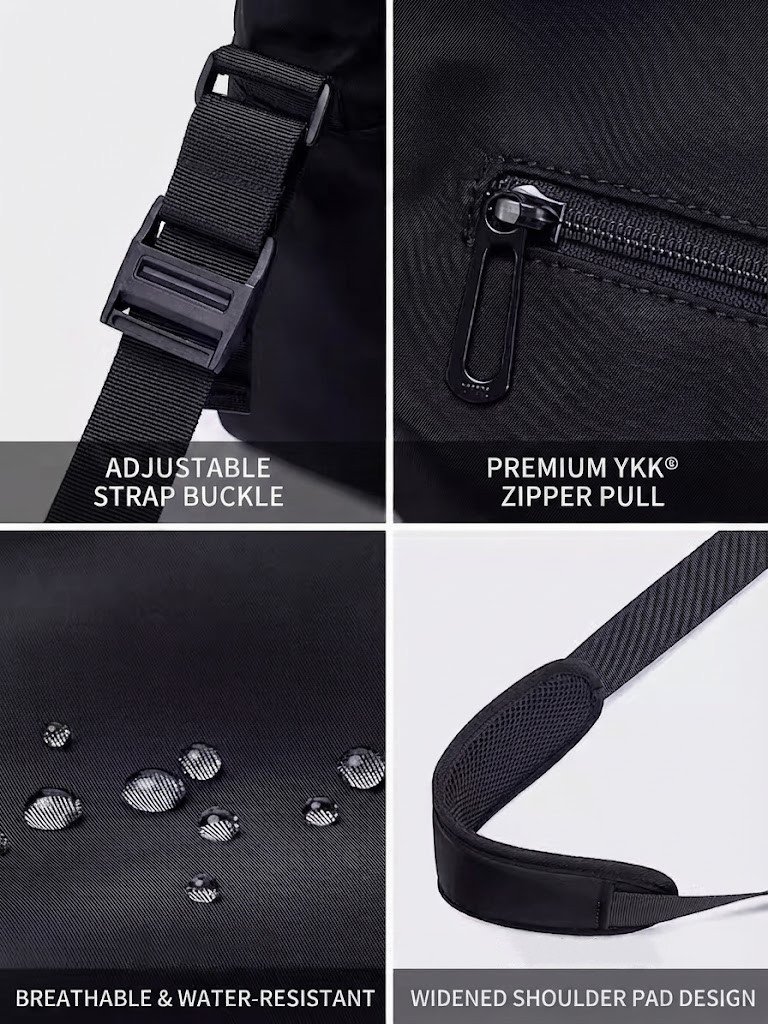
| Oxford fabric | A durable woven polyester or nylon fabric, often coated for water resistance | Everyday-use bags where durability and easy cleaning matter more than a leather aesthetic |
| Canvas | A heavier cotton or cotton-blend weave | Casual-leaning messenger bags, gives a more textured, relaxed look |
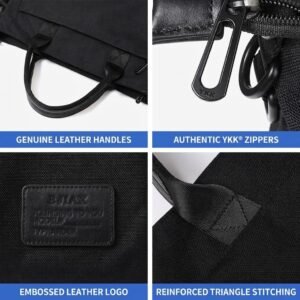
| Genuine leather | Real hide, various grades | Premium executive gifting — significantly higher cost, longer lead times, and batch-to-batch color variation to manage |
A note if you’re buying in volume: genuine leather is harder to keep consistent across a large batch — natural hide has color and texture variation that synthetic materials don’t. If your priority is that every single unit in a 500-piece order looks identical, PU or Oxford is usually the more practical choice, not just the cheaper one. You can see examples of both in our business backpack range, which uses the same material logic.
4. What Should You Budget Per Unit?
Rough ranges to set expectations — actual pricing depends on size, compartments, hardware, and branding complexity:
- $8–$15 — Basic single-compartment messenger bag, simple fabric, one-color logo. Common for large event giveaways.
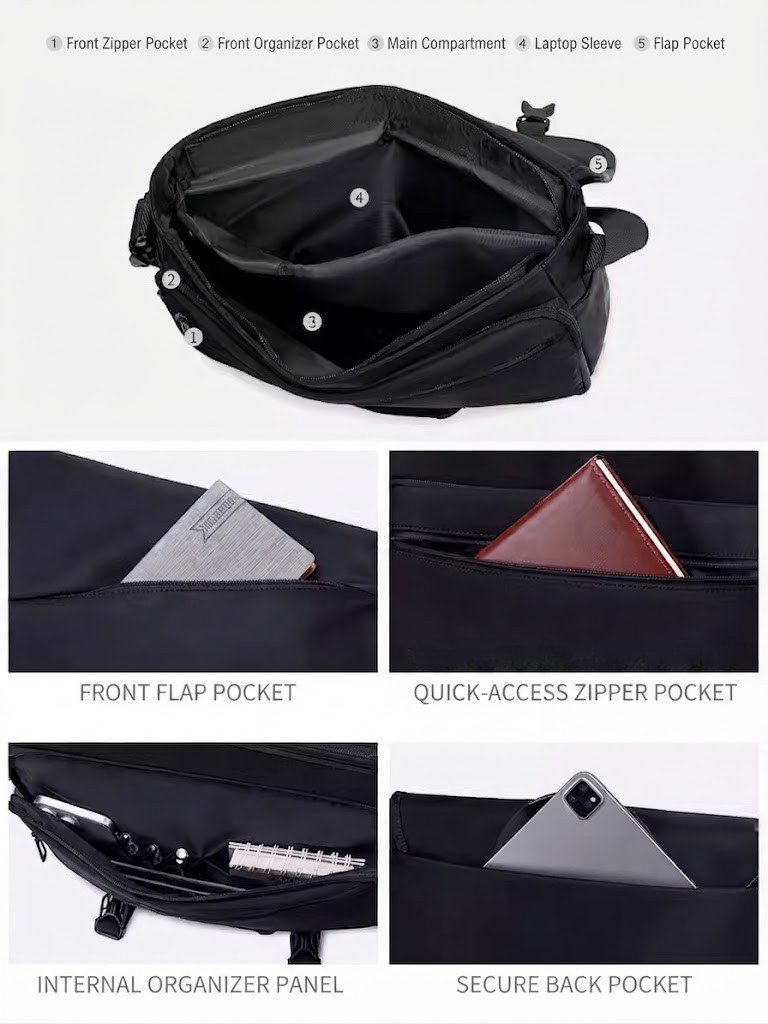
- $15–$28 — Structured PU or Oxford bag with a padded laptop sleeve, better hardware, more refined branding (patch or multi-color print).
- $28–$45+ — Higher-density fabric or better-finished PU, multiple compartments, premium-feel hardware, detachable strap. This is typically the ceiling for non-leather bags before you’re paying a genuine-leather premium.
5. MOQ: How Small Can You Actually Order?
Minimum order quantity is one of the most-asked, least-consistently-answered questions in this category — because it depends on what you’re customizing, not just the product.
- Logo only, on an existing stock design → usually the lowest MOQ, sometimes well under 100 units.
- Custom fabric color or lining → higher MOQ, since the factory needs to buy a minimum length of that specific color.
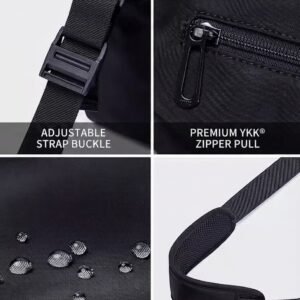
- Custom hardware (branded zipper pulls, buckles) → higher MOQ still, because tooling a custom hardware mold only makes sense at volume.
If a supplier quotes you one MOQ number without asking which of these you need, it’s worth a follow-up question — the honest answer is almost always “it depends on what you’re changing.” Our OEM/ODM solutions page breaks down which customization tier each MOQ level falls under.
6. Branding & Decoration: The Short Version
There are three common ways to put a logo on a bag:
- Screen printing — ink applied through a stencil. Cost-effective at volume, works best on smooth, simple designs.
- Embroidery — stitched logo. More durable, reads as more premium, but costs more per unit and has more limits on very fine detail.
- Patches (woven, leather, or silicone) — a separate branded piece sewn or heat-applied onto the bag. Good middle ground on cost and a common choice for a more “quiet,” upscale look.
(→ future guide: a full cost and durability comparison of these three methods specifically for bags, since general apparel comparisons don’t always translate directly.)
7. How the Ordering Process Actually Works
If you’ve never placed a bulk custom order before, here’s the sequence, start to finish:
- Inquiry & spec discussion. You share what you need — style, material, size, quantity, branding — and get an initial quote.
- Sample development. The factory makes a physical sample matching your spec. This typically takes one to two weeks.
- Sample review. You inspect the sample (in person or via photos/video) and request any changes before approving it for bulk production.
- Bulk production. Once you sign off on the sample, the factory cuts materials and produces the full order. See how this is structured on our factory production page.
- Quality inspection. Finished goods are checked against the approved sample before packing.
- Shipping. By air (faster, more expensive) or by sea (slower, more economical for larger orders).
Why the sample stage matters more than people expect: most production problems get caught and fixed here, before a single unit of the bulk order is cut. A supplier that pushes to skip straight to bulk production to save time is skipping the step that actually prevents costly mistakes later.
8. Questions Worth Asking Before You Commit
A short starting list — not exhaustive, but enough to separate a supplier who’s thought this through from one who hasn’t:
- What’s the realistic MOQ for this specific customization, not just your cheapest stock item?
- Will you send a physical pre-production sample before bulk cutting starts?
- What happens if the delivered quantity doesn’t exactly match what I ordered?
- Can packaging be fully neutral — no factory name, no branded materials inside the box?
- What’s your defect policy if something’s wrong when the shipment arrives?
- Is the factory independently audited (e.g. SEDEX, BSCI, or ISO 9001)?
(→ future guides: we’ll go deeper on order-quantity guarantees, neutral/private-label packaging, and what a fair defect/rework policy looks like — these deserve more space than a bullet point.)
Frequently Asked Questions
What’s the difference between a messenger bag and a briefcase? A messenger bag uses a single cross-body strap and softer construction; a briefcase has a rigid, structured shape and is traditionally carried by a top handle. Many bags ordered today combine both, with a detachable strap.
Is PU leather good enough for a business bag? For most bulk-order use cases, yes — modern PU can look and feel close to real leather at a fraction of the cost, and it’s far easier to keep color-consistent across a large batch than genuine leather.
What’s a typical MOQ for a custom messenger bag? It depends what you’re customizing. Logo-only orders on a stock design can often go below 100 units; custom fabric colors or hardware usually require a higher minimum because of material and tooling costs.
How long does a bulk custom bag order take? Budget roughly 6–10 weeks from confirmed sample to delivery for a mid-size order, longer for larger volumes or if you’re shipping by sea rather than air.
Can I get bags shipped without any sign of who manufactured them? Ask directly — not every supplier offers fully neutral packaging by default, but many can if you specify it upfront. This matters most for distributors reselling under their own brand.
Where to Go From Here
This guide covers the basics of sourcing custom messenger bags and briefcases in bulk. If you’re ready to go deeper on a specific concern — order quantity guarantees, private-label packaging, or how to evaluate a supplier’s sample process — those topics get their own dedicated guides, linked above as they go live.
Have a specific spec in mind already? Get in touch with our team, browse our messenger bag and briefcase ranges directly, or learn more about Nice Bags and how we work with distributors and procurement teams.
-300x300.jpg)
.jpg)