

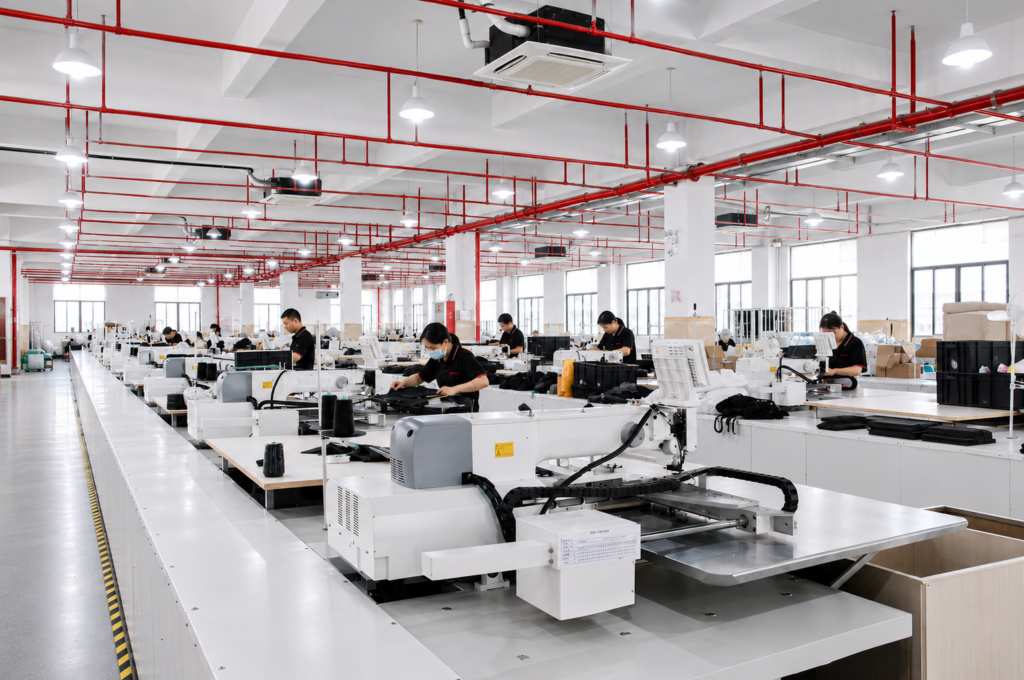
Choosing the right bag manufacturer is one of the most important decisions when developing a successful bag collection. Whether you are launching a new backpack line, expanding your travel bag range, or sourcing custom products for your brand, selecting the right manufacturing partner can directly impact product quality, delivery performance, and customer satisfaction.
With thousands of bag suppliers available worldwide, it can be difficult to determine which manufacturer is the right fit for your business. Understanding the key factors that separate reliable manufacturers from ordinary suppliers can help reduce sourcing risks and improve long-term business success.
Why Choosing the Right Bag Manufacturer Matters
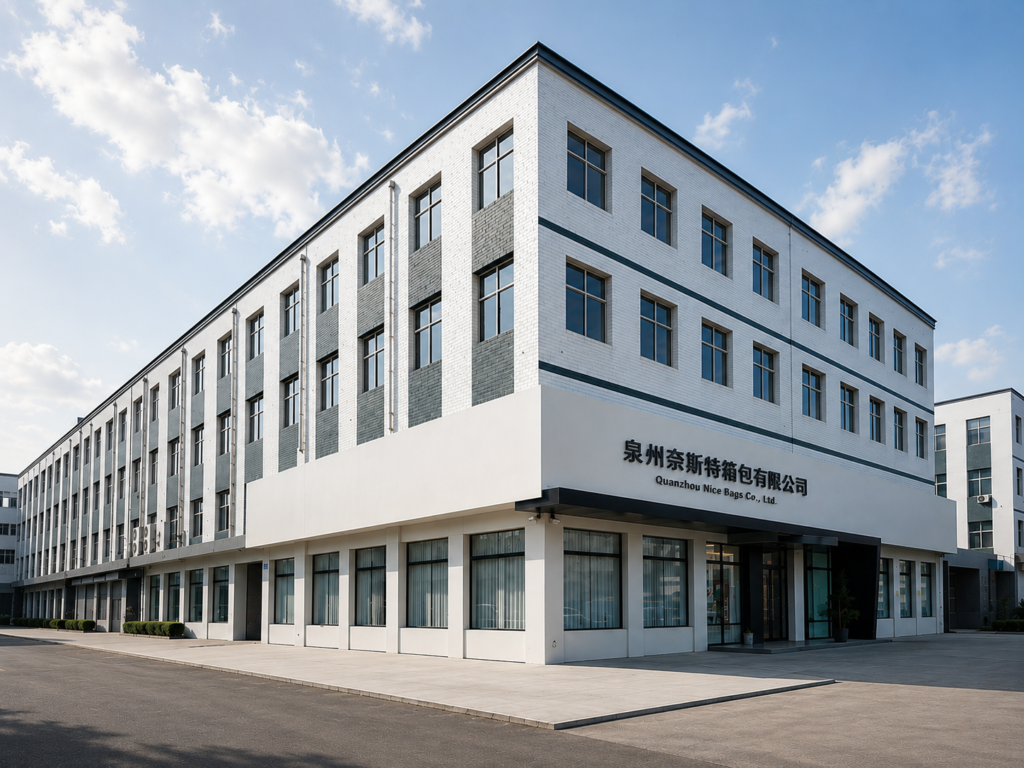
A reliable bag manufacturer does more than simply produce products. They contribute to product development, quality improvement, material selection, and supply chain stability.
An experienced manufacturer can help brands:
- Improve product quality
- Reduce production risks
- Optimize product costs
- Shorten development timelines
- Maintain consistent quality standards
- Support long-term business growth
For OEM and ODM projects, choosing the right manufacturing partner becomes even more important because product specifications, materials, and branding requirements often vary between markets.
Evaluate Manufacturing Experience
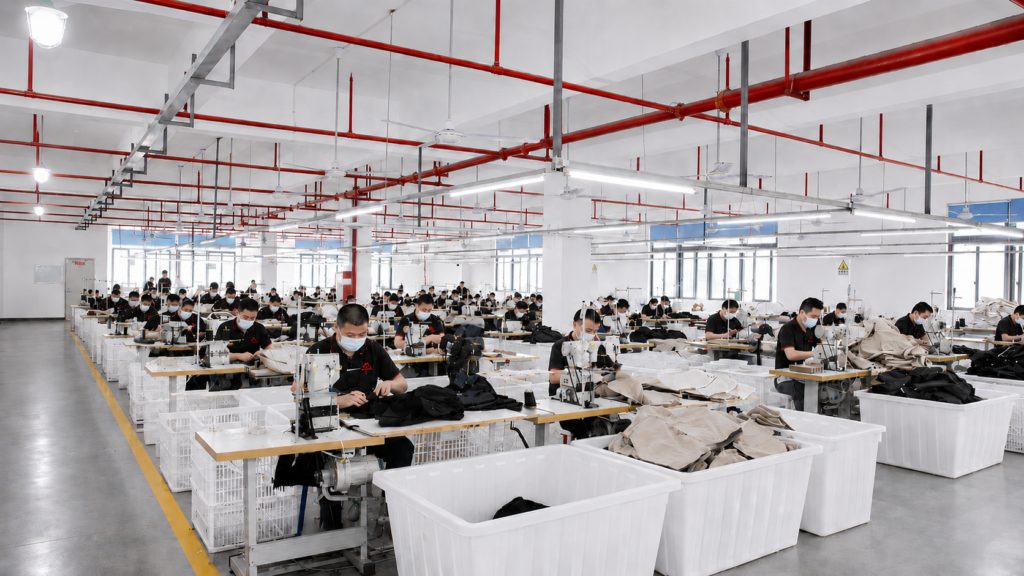
Experience is one of the first indicators of a reliable bag manufacturer.
Manufacturers with years of production experience usually have a better understanding of material performance, construction methods, quality requirements, and market trends.
When evaluating a factory, consider:
- Years of manufacturing experience
- Product categories produced
- Export markets served
- Existing customer base
- Experience with OEM and ODM projects
A manufacturer that has worked with brands in Europe, North America, and Oceania is often more familiar with international quality expectations and compliance requirements.
Review Production Capacity
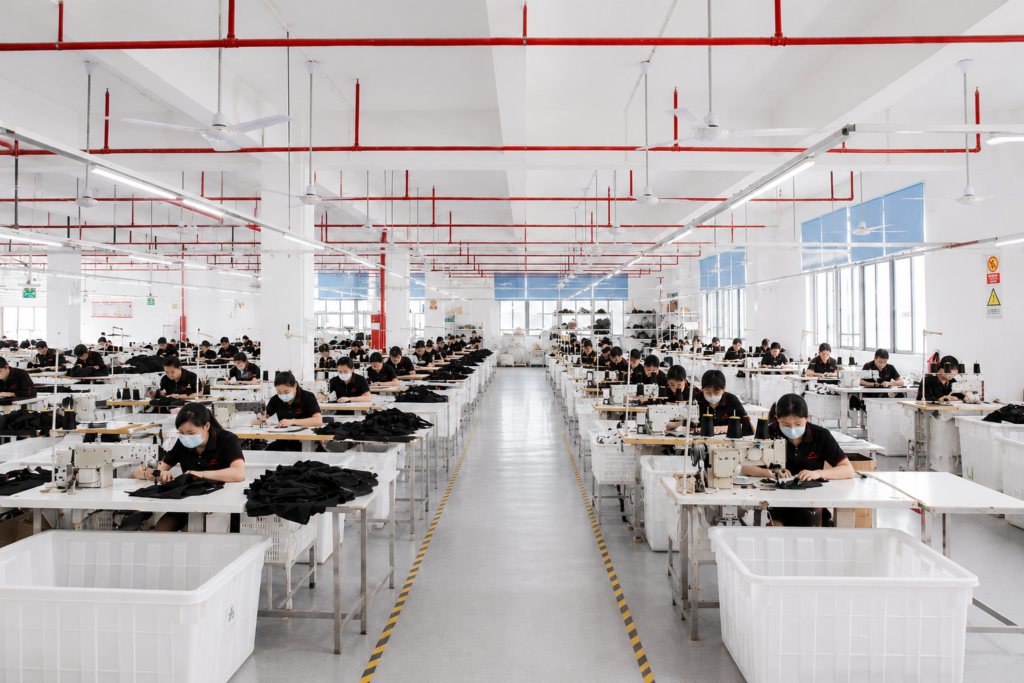
Production capacity directly affects delivery reliability.
A factory should have sufficient production resources to handle both current and future order requirements.
Important factors include:
- Factory size
- Number of production lines
- Monthly production capacity
- Workforce stability
- Lead time management
Reliable manufacturers should be transparent about their production capabilities and realistic delivery schedules.
Assess Product Quality Control
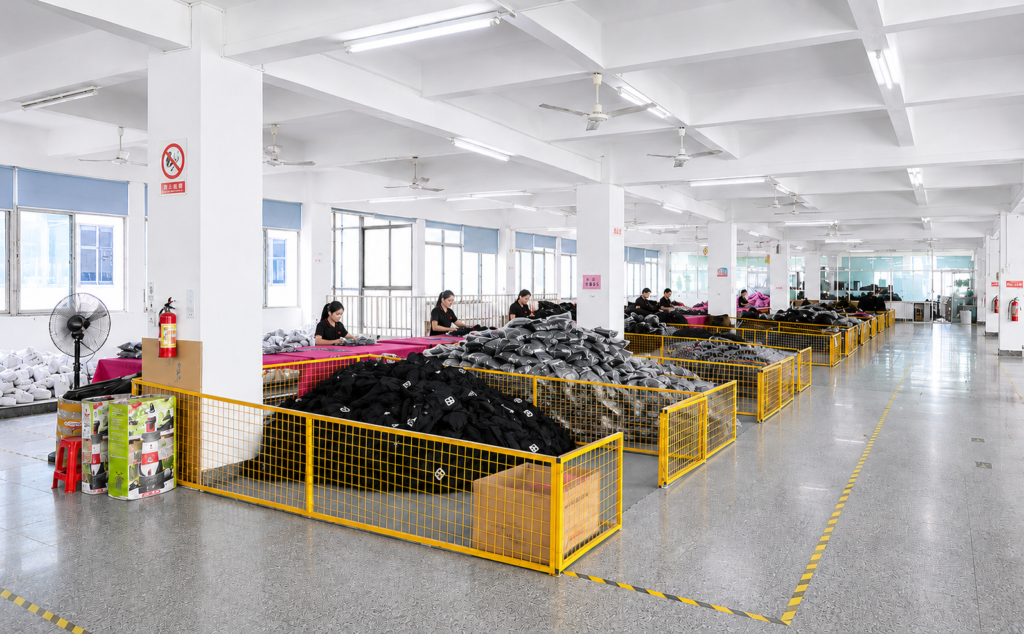
Quality control is one of the most critical factors when selecting a bag manufacturer.
Even a well-designed bag can fail if quality standards are inconsistent.
A professional manufacturer should inspect:
- Raw materials
- Fabric consistency
- Stitching quality
- Zipper performance
- Hardware durability
- Finished products before shipment
Quality inspection procedures help reduce defects and ensure products meet customer expectations.
Check Certifications and Compliance
Certifications provide additional confidence when selecting a manufacturing partner.
Depending on your target market, certifications may be required by retailers or brand customers.
Common certifications include:
These certifications demonstrate a commitment to responsible manufacturing practices and quality management.
For sustainability projects, you may also refer to the Global Recycled Standard (GRS) for recycled material requirements.
Evaluate Sampling Capabilities
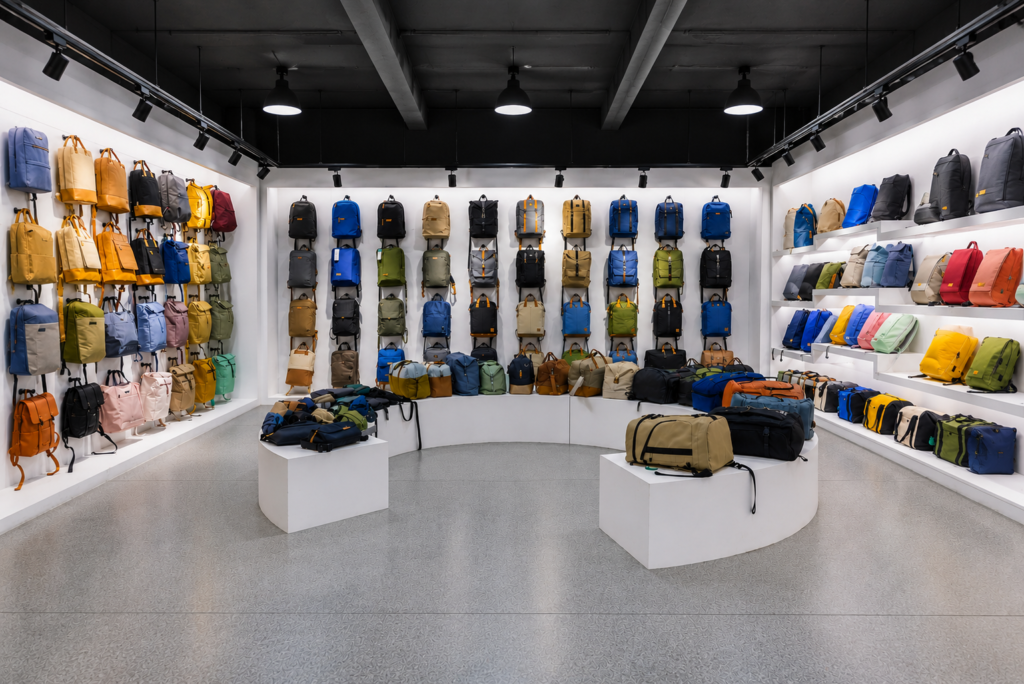
Before placing a bulk order, most brands request samples for evaluation.
A reliable bag manufacturer should be able to:
- Develop samples from sketches
- Work from reference photos
- Create prototypes from technical drawings
- Recommend suitable materials
- Suggest structural improvements
Fast and accurate sampling often indicates strong product development capabilities.
Many successful projects begin with a well-executed sample development process.
Assess Material Sourcing Capabilities
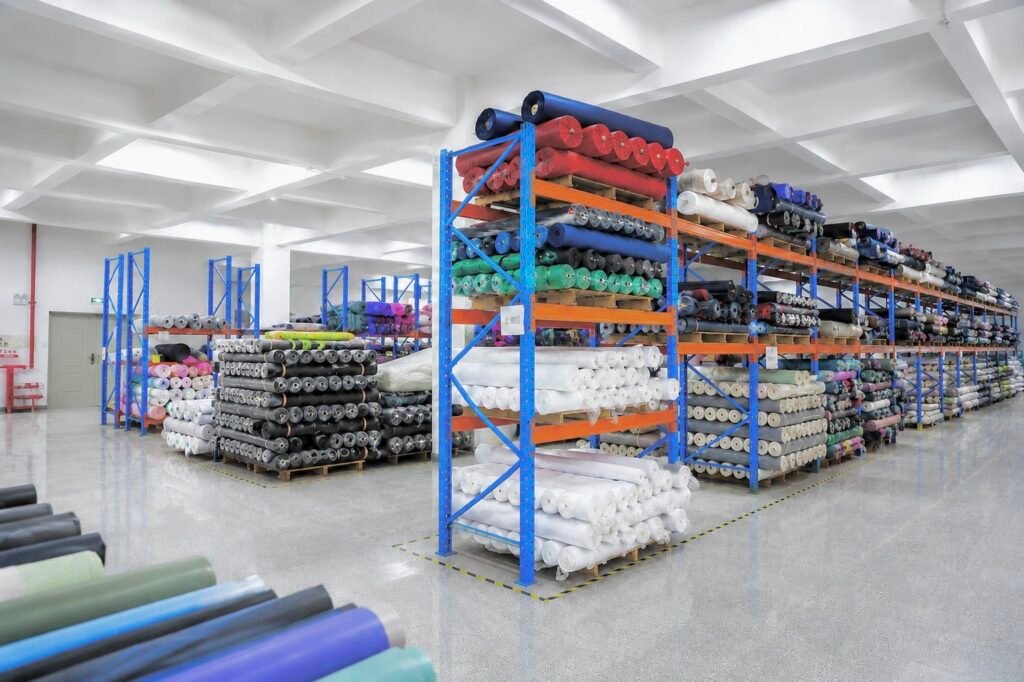
Material selection plays a major role in product quality and pricing.
Strong manufacturers typically maintain stable relationships with material suppliers and can offer multiple options, including:
- Polyester
- Nylon
- Oxford fabric
- RPET recycled fabric
- Waterproof coated materials
Manufacturers with strong sourcing capabilities can often provide better pricing, shorter lead times, and more material choices.
For more information about material selection, see our guide on choosing the right backpack material for different uses.
Evaluate Communication and Responsiveness

Communication quality is often overlooked during supplier selection.
A reliable manufacturer should respond quickly, provide clear information, and maintain consistent communication throughout the project.
Key indicators include:
- Response speed
- Technical knowledge
- Problem-solving ability
- English communication skills
- Project follow-up support
Good communication helps prevent misunderstandings and improves project efficiency.
OEM vs ODM Manufacturing Support
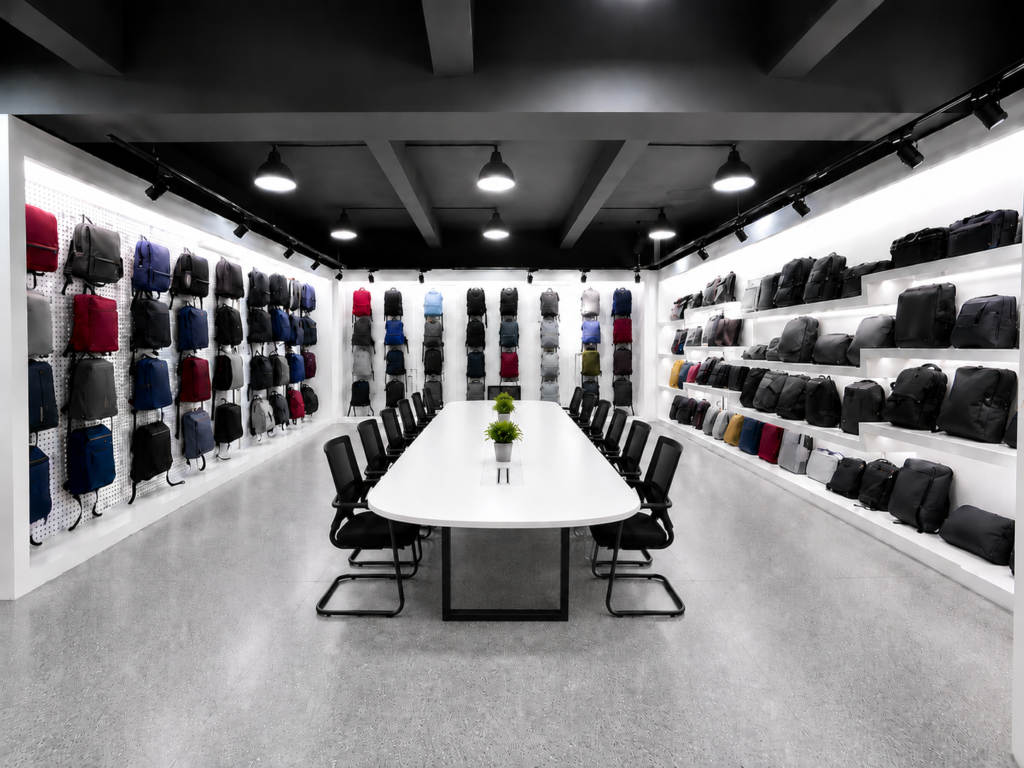
Different brands require different development approaches.
OEM manufacturing is suitable for brands with existing designs and specifications.
ODM manufacturing is suitable for brands that want to customize existing products while reducing development time.
A reliable manufacturer should be capable of supporting both models and helping customers select the most suitable solution for their business objectives.
Questions to Ask a Potential Bag Manufacturer
Before choosing a supplier, consider asking:
- What certifications do you hold?
- What is your monthly production capacity?
- What is your typical lead time?
- Can you provide material recommendations?
- How do you handle quality inspections?
- What customization options are available?
- Can you support OEM and ODM projects?
The answers will help you better understand the supplier’s capabilities and reliability.
Conclusion
Finding a reliable bag manufacturer requires more than comparing prices. Experience, production capacity, quality control, certifications, material sourcing, and communication all play important roles in determining long-term success.
By carefully evaluating these factors, brands can reduce sourcing risks and build stronger manufacturing partnerships.
At Nice Bags, we support OEM and ODM bag projects with flexible manufacturing solutions, quality control processes, and professional product development support.
Looking for a reliable bag manufacturer for your next project? Contact our team to discuss your requirements.