
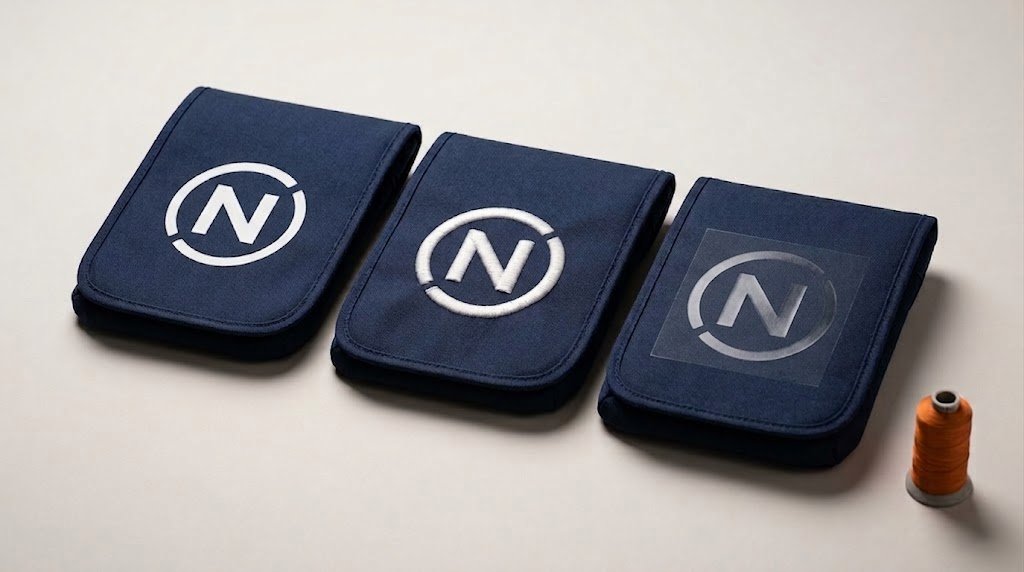
Quick answer: There’s no single “best” bag branding technique — the right choice depends on the bag’s material, your order quantity, and how much edge-quality matters for your logo. Screen printing is the cheapest option and works well on smooth materials like PU leather, but it can bleed on textured fabric without the right prep. Embroidery is the most durable and works on almost any material, but it gets disproportionately expensive at low volumes. Heat transfer sits in between — similar cost to screen printing at scale, but it can involve extra shipping if your factory doesn’t handle it in-house, which quietly adds to the per-unit cost. The right pick usually comes down to matching the technique to the fabric first, then checking whether your order size makes it worth doing.
What Each Technique Actually Is
Before comparing these three, it helps to know what’s physically happening to the bag in each case — the mechanics are what explain most of the tradeoffs below.
Screen printing pushes ink through a fine mesh screen directly onto the fabric, one color at a time. The ink sinks into the surface rather than sitting on top of it, which is why a good screen print looks and feels almost flush with the fabric — flat, matte, and part of the material rather than added to it.
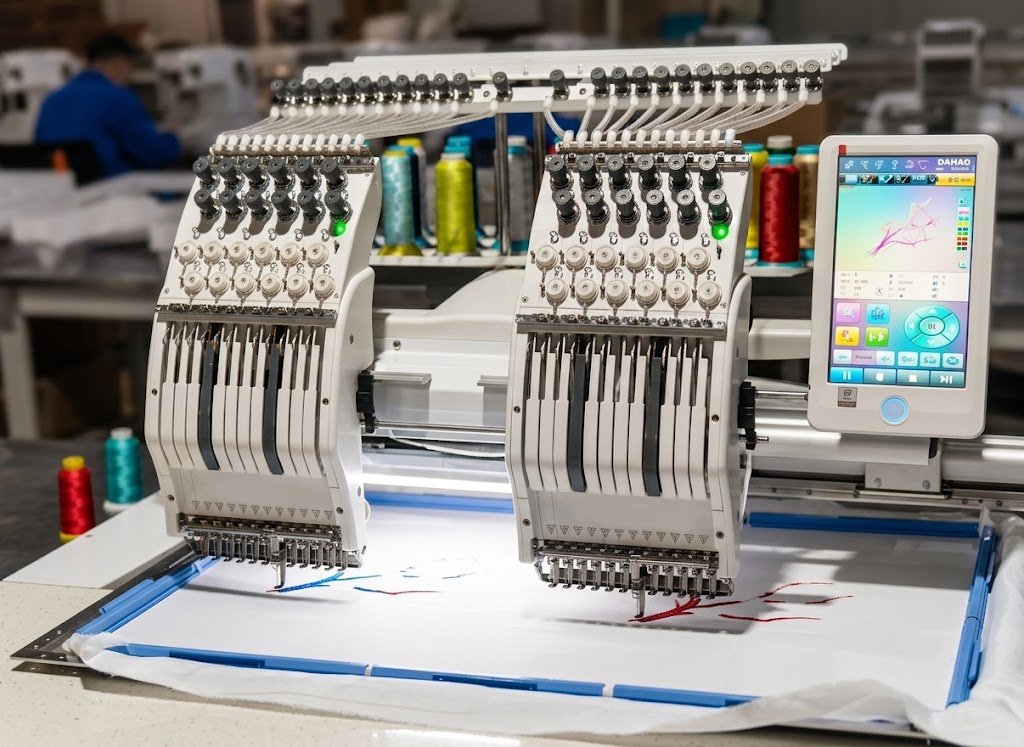
Embroidery stitches the logo into the fabric with a needle and thread, building the design up stitch by stitch on a computerized embroidery machine. Unlike the other two methods, this actually adds physical thickness and texture to the surface — you can see and feel the individual stitch lines, and the design sits slightly raised above the fabric.
Heat transfer works differently from both: the logo is printed onto a thin film first, then that film is heat-pressed onto the finished bag afterward as a separate step. It ends up looking flat like a screen print, but it’s technically a distinct layer applied on top of the fabric rather than ink worked into it — which is part of why it behaves differently in terms of cost and where it can be produced (more on that below).
Why the Technique You Choose Depends on the Material
Most guides to logo branding treat screen printing, embroidery, and heat transfer as three interchangeable options and let you pick based on look alone. In practice, the material you’re branding onto rules some of them out — or makes them look worse — before style even enters the conversation.
Our complete guide to sourcing custom messenger bags and briefcases breaks down the material options in detail — PU leather, Oxford, canvas, and genuine leather — and why PU and Oxford are what most buyers end up specifying (genuine leather costs more, shows color variation, and isn’t what we’d recommend leading with). Here’s how those materials interact with each branding technique specifically:
PU leather is smooth and non-porous, which makes it the easiest surface for screen printing — ink sits cleanly on top with sharp edges. It’s a difficult surface for embroidery, and this is worth understanding before you assume you can get any look on any material: the needle is punching through a coated layer rather than woven fiber, and needle holes in PU don’t close back up the way they do in fabric. On a small, light design this is usually manageable with the right backing. On a larger or denser design, the stitching can pucker or ripple the surrounding surface, and in the worst case the coating can tear or perforate around the stitch line rather than holding cleanly. This is why large embroidered logos are rarely stitched directly onto a PU panel — if a customer wants that embroidered texture at a larger size, the more reliable approach is usually a separately embroidered patch, stitched or heat-pressed onto the bag afterward rather than worked directly into the PU itself. It achieves a very similar look without stressing the coating — but it’s a different production process from direct embroidery, so it comes with its own pricing rather than falling inside the embroidery range above. If a patch is the route your design needs, ask for a quote specific to that method rather than assuming it lines up with standard embroidery pricing.
Oxford and canvas are woven fabrics, which is the opposite situation. Embroidery sits naturally into the weave and holds up well over time. Screen printing is where these materials get tricky — the texture of the weave can cause ink to seep sideways into the fibers instead of staying within the printed shape, especially on darker canvas, which is where the underbase technique below becomes important. Heat transfer generally handles both material types reasonably well, since it’s applying a pre-printed film rather than depositing ink or thread directly.
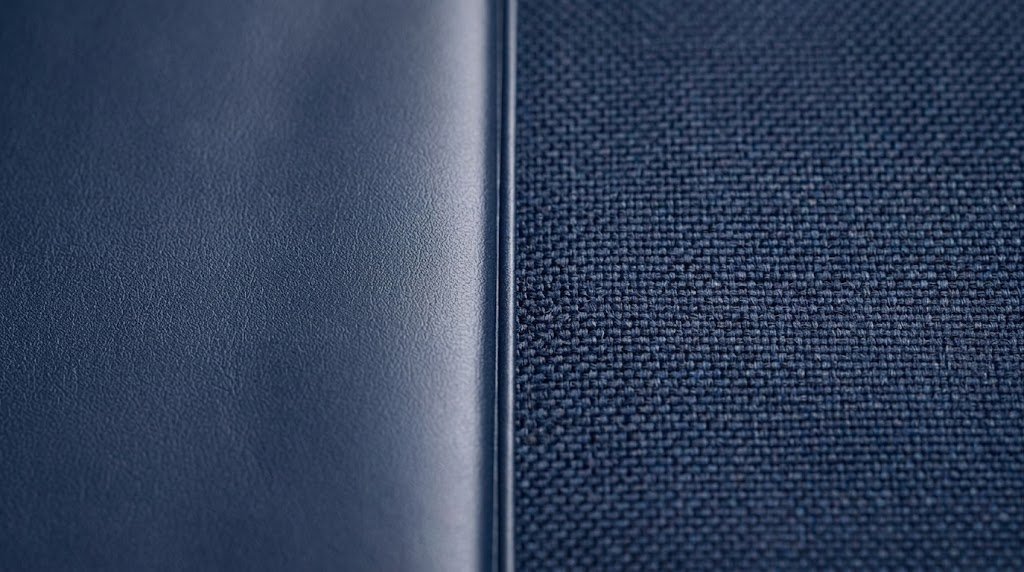
The short version: if you’re set on PU leather, screen printing or heat transfer will usually look cleaner than embroidery. If you’re on Oxford or canvas, embroidery is the safer bet for a crisp result, though a well-executed screen print can still work — which brings up the one screen-printing detail that actually determines whether it looks clean or messy.
The Screen Printing Detail Most Buyers Never Ask About
Almost every bag supplier will quote you screen printing without mentioning this, and it’s the difference between a logo that looks sharp and one that looks smudged: whether the printer uses a white underbase before printing color on top.
When you’re printing a light-colored logo onto dark fabric, the color layer alone often isn’t opaque enough — some of the dark fabric shows through, and worse, the ink can bleed slightly into the fibers around the edge of each letter, leaving a faint halo or blur instead of a crisp line. Printing a white base layer first, then the actual color on top of it, solves both problems: it gives the color something opaque to sit on, and it holds the edges tight.
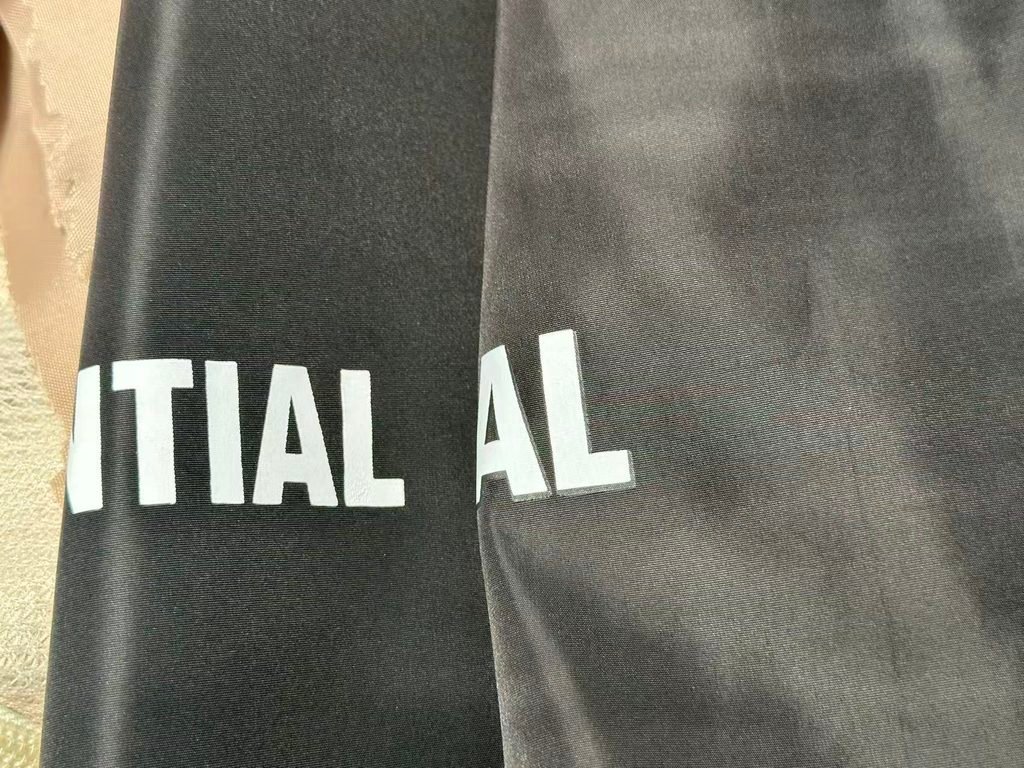
Compare the two examples above — the letters printed with an underbase have clean, defined edges; the ones without show visible bleed around the lettering. Same printer, same fabric, same ink — the underbase step is the only difference.
This isn’t a premium add-on you need to specifically request from every supplier — it’s a basic quality-control question worth asking upfront: “Do you use a white underbase for light-on-dark prints?” A supplier who does this as standard practice is generally paying more attention to print quality across the board.
What Actually Drives the Price
As a rough sense of range for logo-sized branding (roughly credit-card to palm-sized designs — larger full-panel graphics cost more across all three methods): screen printing and heat transfer typically run $0.2-1 per unit, and embroidery runs $0.5-2 per unit, both depending on size, number of colors, and design complexity. A simple one-color logo sits at the low end of each range; a large, multi-color, detailed design pushes toward the top.
A few things move these numbers that aren’t obvious from the range alone:
Number of colors matters more for embroidery and multi-pass screen printing than it does for heat transfer. Screen printing is applied one color layer at a time, so a design built up in several passes — for example, a raised or layered effect using multiple color layers — costs more per additional layer, since each one is effectively a separate printing step. Embroidery pricing follows a similar logic: more thread colors means more stops and re-threads on the machine, which is direct labor time, not just material.
Design size scales embroidery cost more steeply than the other two methods, because a bigger design simply means more stitches and more machine time — there’s no shortcut the way there sometimes is with printing a larger film for heat transfer.
Heat transfer and screen printing cross over depending on volume. At larger order quantities, screen printing tends to be the cheaper of the two. At smaller quantities, heat transfer is often more cost-effective, because it doesn’t require the same setup as screen printing — you’re not preparing screens for a run that’s too short to justify the setup time.
The Hidden Cost Nobody Mentions Upfront
Here’s the part that doesn’t show up in a simple per-unit quote comparison, and it’s worth knowing before you commit to a technique based on price alone.
Embroidery gets disproportionately expensive below a certain order size. The pricing above assumes a normal production run. Below a certain quantity, the math changes — a factory has to set up the design on the embroidery machine, run a test to check tension and alignment, and then produce what might be a very small batch relative to that setup effort. Some factories will simply decline a small embroidery order because it isn’t worth the setup time; others will take it, but at a noticeably higher per-unit price than the ranges above — sometimes well above double, depending on how small the run is. If embroidery is your preferred look and your order is on the smaller side, it’s worth asking upfront whether the quantity clears a factory’s practical minimum for that technique, not just its stated MOQ for the bag itself.
Heat transfer sometimes involves a shipping step that isn’t in the base price. Not every factory does heat transfer in-house — some finish the bag, then ship the finished goods out to a separate facility that specializes in heat transfer application, then ship them back before final packing and export. When that happens, freight for that round trip gets absorbed into the total cost, even though it doesn’t show up as a separate line on the branding quote. Some factories are set up to handle small heat-transfer runs without much friction; others find it not worth the trouble for a modest quantity and would rather not take the order at all. If your quote for heat transfer looks unusually low, it’s worth confirming whether the printing happens on-site or gets outsourced — that answer tells you whether logistics cost is baked in or about to show up as a surprise.
How We Handle Sample Approval and Quality Control
Before full production, we produce a sample using the branding technique under discussion so you can see the actual result — not a rendering — before committing. If it looks right, we move forward with that technique. If it doesn’t, we adjust or switch methods before bulk production starts, not after.
Rework at the sample stage is uncommon, and when a technique issue does come up — for example, a heat transfer print that didn’t come out cleanly — it’s normally caught on our side before a sample ever reaches a customer. We review branding quality against a plain, ordinary standard: if it wouldn’t look acceptable to a normal customer, we don’t send it forward, and we go back to the factory to have it corrected. That filtering is our responsibility, not something buyers should need to manage from a distance.
Frequently Asked Questions
Can I combine two branding techniques on the same bag? Yes — a common approach is a printed or heat-transferred logo on the main body combined with an embroidered detail on a strap or pocket, or vice versa. Combining techniques usually means combining their setup costs, so it’s worth confirming pricing for the specific combination rather than assuming it’s additive.
Does a more complex logo always cost more to brand? For embroidery, generally yes — more colors and more stitches mean more machine time. For screen printing, it depends more on the number of color passes than overall complexity; a detailed single-color design can cost less than a simple two-color one. Heat transfer is the least sensitive to complexity, since it’s printing a design once onto film rather than building it up layer by layer or stitch by stitch.
Is there a sample charge to test a branding technique before bulk production? This depends on the specific order and technique — get in touch with your logo and target quantity and we’ll walk you through what a sample would involve for your case.
Which technique is most durable for daily use? Embroidery generally holds up the longest under regular wear, since the thread is worked into the fabric rather than sitting on its surface. Screen printing and heat transfer can both perform well over years of normal use, but they’re more dependent on getting the application right the first time — which is why print quality details like the underbase step above are worth asking about upfront.
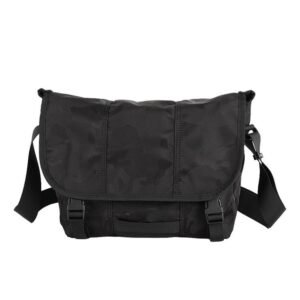
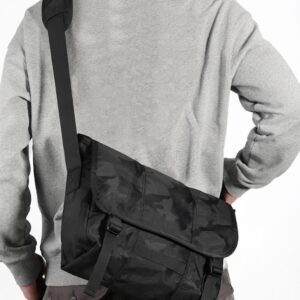
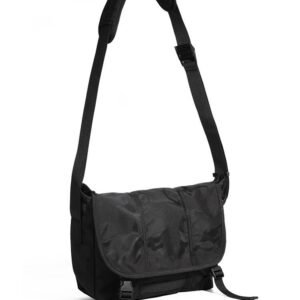
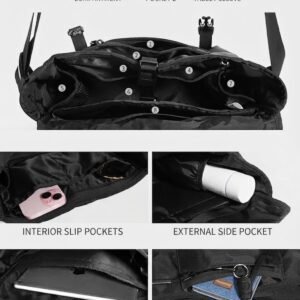
Browse our messenger bag and briefcase range to see branding examples across materials, or send us your logo and target material for a technique recommendation and quote.
-300x300.jpg)
.jpg)
-300x300.jpg)
.jpg)