
Many buyers ask one common question before sourcing insulated cooler bags: How long do cooler bags keep food cold? The answer depends on several factors, including insulation materials, bag construction, ambient temperature, and whether ice packs are used.
For retailers, outdoor brands, food delivery businesses, and promotional buyers, understanding cooling performance is essential when selecting the right product. Choosing a cooler bag with suitable insulation can improve customer satisfaction while helping maintain food safety during transportation.
This guide explains how long cooler bags typically keep food cold, what affects their performance, and how to choose the right insulated cooler bag for different business applications.
How Do Cooler Bags Keep Food Cold?
Unlike electric refrigerators, cooler bags do not actively generate cold air. Instead, they use multiple layers of insulation to slow the transfer of heat between the outside environment and the contents inside the bag. This helps maintain the temperature of chilled food and beverages for an extended period.
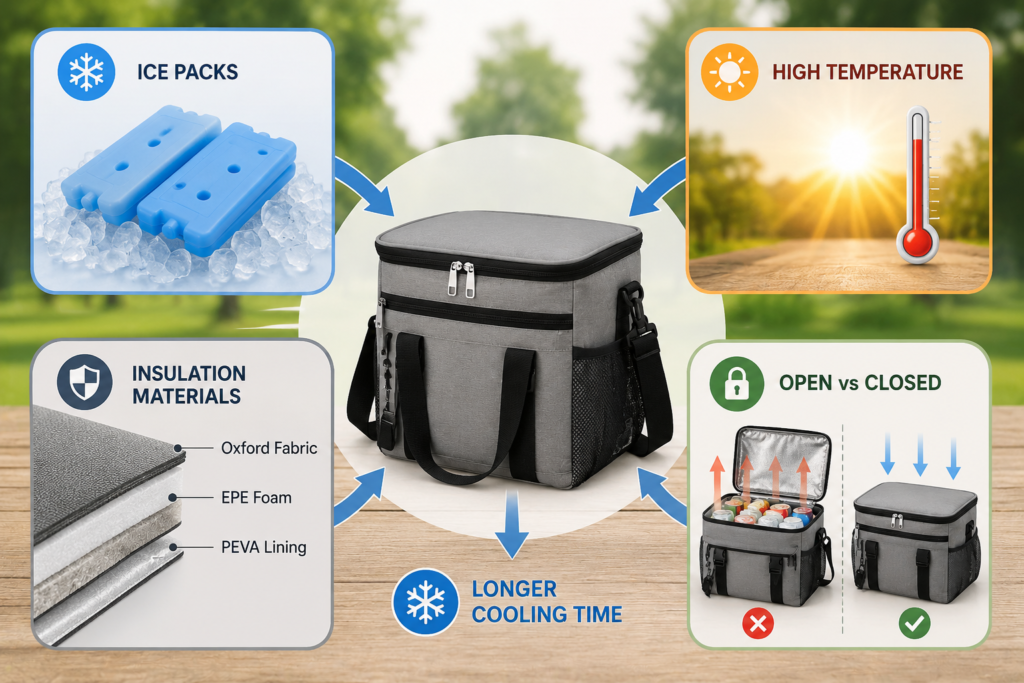
A typical insulated cooler bag consists of several key materials working together. The outer layer, usually made from Oxford fabric or polyester, provides durability and protects the bag from daily wear. Inside, EPE foam acts as the primary insulation layer by reducing heat transfer. The underlying science is the same principle used in building insulation — as the U.S. Department of Energy explains, insulation works by slowing heat transfer through conduction, convection, and radiation, rather than actively cooling anything. Some cooler bags also include an aluminum foil layer, which reflects radiant heat and improves insulation efficiency. The PEVA lining forms a food-safe, waterproof inner surface that helps prevent leaks and makes cleaning easier.
For the best cooling performance, insulated cooler bags should be used together with frozen ice packs or chilled contents. Ice packs help absorb heat inside the bag and maintain a lower internal temperature for longer than ice cubes, making them a popular choice for outdoor activities, food delivery, and commercial transportation.
Cooler bags slow down heat transfer rather than actively cooling the contents.
How Long Can Cooler Bags Keep Food Cold?
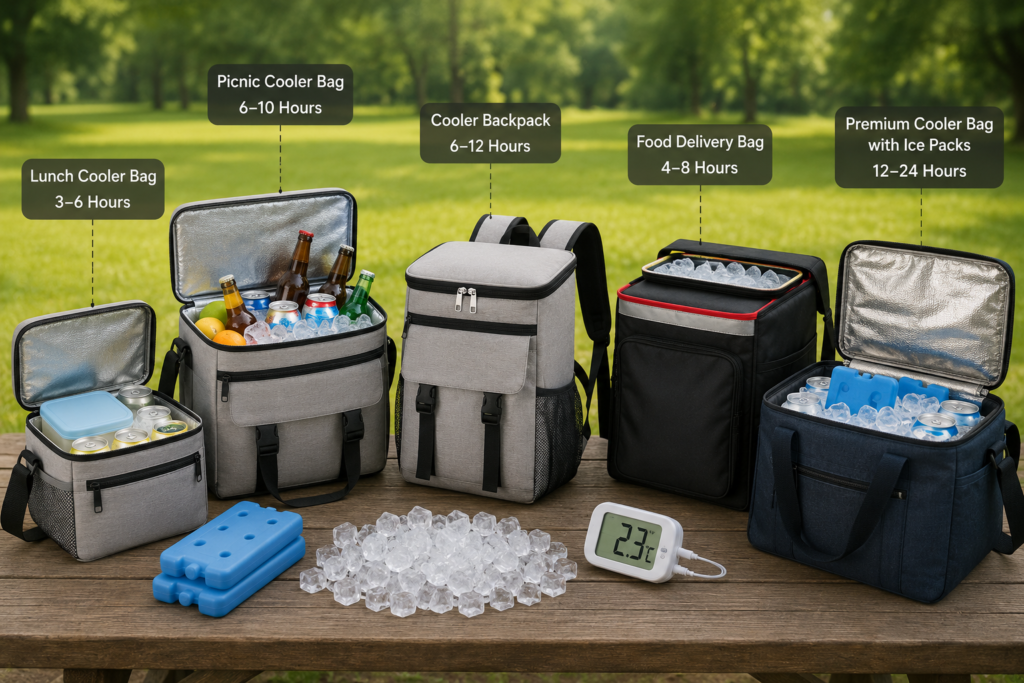
The amount of time a cooler bag can keep food and beverages cold depends on several factors, including the insulation materials, bag construction, ambient temperature, and whether frozen ice packs are used. While there is no single answer for every product, high-quality insulated cooler bags can typically maintain low temperatures for several hours under normal conditions.
The table below provides general cooling time estimates for different types of cooler bags.
| Cooler Bag Type | Typical Cooling Time* |
|---|---|
| Lunch Cooler Bag | 3–6 Hours |
| Picnic Cooler Bag | 6–10 Hours |
| Cooler Backpack | 6–12 Hours |
| Food Delivery Bag | 4–8 Hours |
| Premium Cooler Bag (with Ice Packs) | 12–24 Hours |
*Actual cooling time varies depending on insulation materials, outside temperature, how often the bag is opened, and whether frozen ice packs are used.
Cooler Backpacks and Food Delivery Bags are also the styles most often built for portability — see our Portable Cooler Bag Manufacturer Guide for fabric selection and OEM sourcing details specific to these carry-focused designs.
Although premium insulated cooler bags can keep food cold for up to 24 hours under ideal conditions, most everyday applications require only several hours of reliable temperature retention. Choosing the right cooler bag should therefore be based on your intended use rather than simply selecting the longest cooling time. If you’re unsure which type offers the best balance between insulation and portability, read our How to Choose the Right Cooler Bag for Your Business guide.
What Factors Affect Cooling Performance?
Several factors influence how long cooler bags can keep food and beverages cold. Even the highest-quality insulated cooler bag will perform differently depending on the materials used, environmental conditions, and how it is handled during use.
Insulation Materials
The quality of the insulation materials has the greatest impact on cooling performance. Most high-quality cooler bags combine several layers to reduce heat transfer and maintain a stable internal temperature. EPE foam provides the primary insulation, while the PEVA lining creates a food-safe, waterproof interior that helps retain cold air and prevents leaks. Durable outer fabrics such as Oxford fabric protect the insulation layer and improve overall product longevity.
The better these materials work together, the longer the cooler bag can maintain low temperatures.
Ice Packs
Using frozen ice packs is one of the most effective ways to extend cooling time. Compared with loose ice cubes, ice packs stay colder for longer, produce less melted water, and help keep the contents dry and organized. For food delivery, outdoor activities, and commercial transportation, reusable ice packs are generally the preferred choice.
Ambient Temperature
External temperature has a significant impact on cooling performance. Cooler bags used outdoors during hot summer weather or placed in direct sunlight will warm up much faster than those kept in shaded or air-conditioned environments. Keeping the bag away from direct sunlight and high temperatures can noticeably extend its cooling time.
Bag Opening Frequency
Every time the cooler bag is opened, cold air escapes and warm air enters. Frequent opening can significantly reduce cooling performance, especially during outdoor activities or food delivery. Keeping the bag closed as much as possible helps maintain a stable internal temperature and extends the effectiveness of the insulation.
How to Keep Food Cold Longer
Even the best cooler bag will perform better when used correctly. Following a few simple practices can significantly extend cooling time and help keep food and beverages fresh for longer.
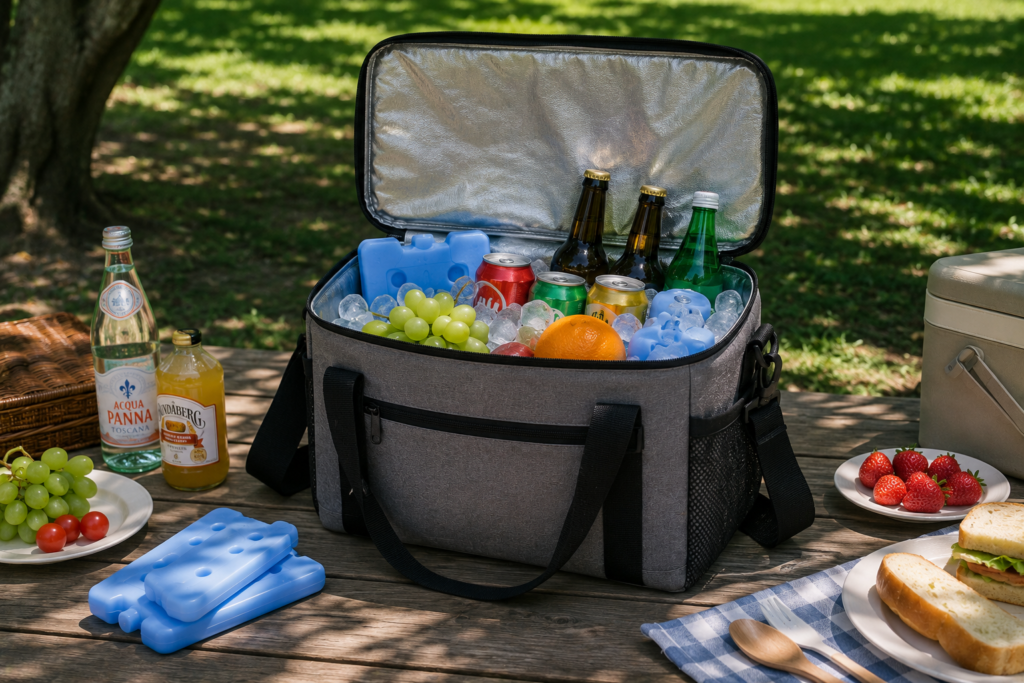
- Pre-chill food and drinks before placing them in the cooler bag. Starting with already cold items reduces the amount of heat that needs to be removed.
- Use frozen ice packs instead of loose ice whenever possible. Ice packs stay colder for longer, create less mess, and help maintain a consistent internal temperature.
- Keep the bag closed as much as possible. Every time the lid is opened, cold air escapes and warm air enters, reducing cooling efficiency.
- Avoid direct sunlight by storing the cooler bag in the shade or inside a vehicle whenever possible. Lower surrounding temperatures help preserve cold contents.
- Fill empty space inside the bag. A fuller cooler bag contains less warm air, allowing it to maintain a lower temperature for a longer period.
- Choose thicker insulation when longer cooling performance is required. Premium cooler bags with high-density EPE foam and quality insulation materials generally provide better temperature retention than thinner models.
By combining these best practices with a high-quality insulated cooler bag, businesses and consumers can achieve longer cooling performance and better protection for food and beverages during transportation or outdoor activities.
Which Cooler Bag Is Right for Your Business?
Different businesses have different cooling requirements, so choosing the right type of cooler bag depends on how it will be used. Factors such as carrying capacity, portability, insulation performance, and intended application should all be considered before making a sourcing decision.
The table below provides a quick comparison to help you identify the most suitable cooler bag for different business applications.
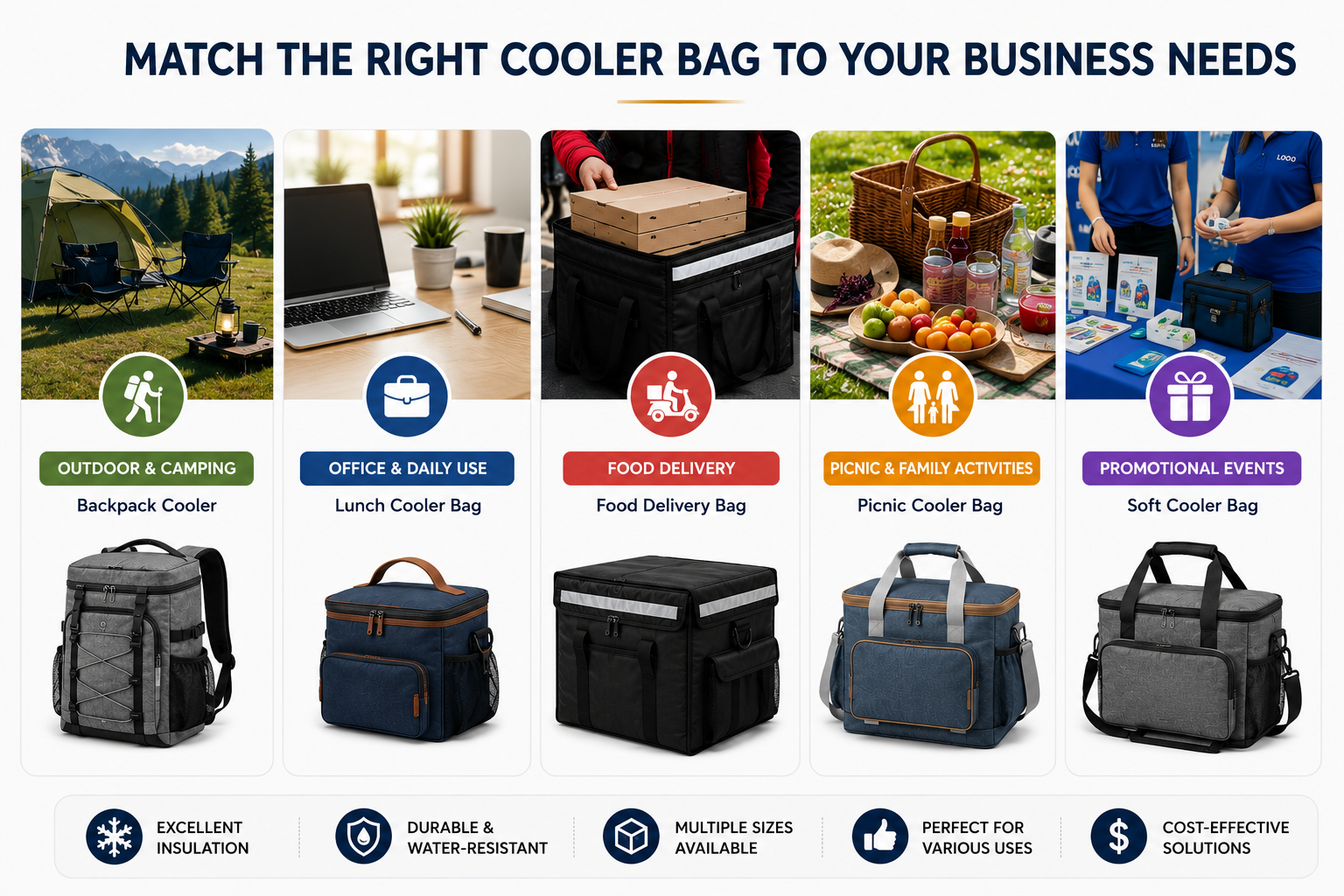
Whether you’re sourcing products for retail, food delivery, outdoor activities, or promotional campaigns, selecting the right cooler bag can improve user experience while supporting your brand positioning and business goals.
Explore our complete Cooler Bags Collection to find insulated solutions for a wide range of commercial and outdoor applications.
Why Insulation Quality Matters
When sourcing cooler bags for retail, food delivery, or promotional use, insulation quality is one of the most important factors affecting product performance. While lower-cost insulation materials may reduce manufacturing expenses, they often result in shorter cooling times, lower durability, and a less satisfactory user experience.
Poor insulation can lead to food warming up too quickly, customer complaints, and negative product reviews. For businesses, this not only increases after-sales costs but can also damage brand reputation and reduce customer confidence.
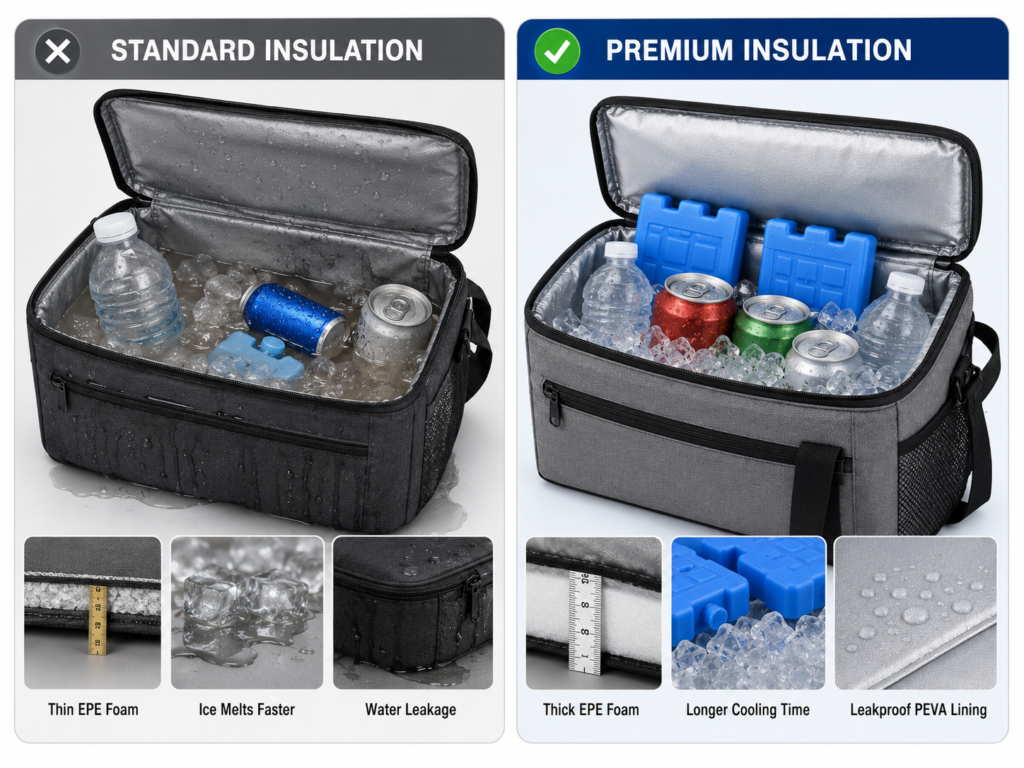
Investing in high-quality insulation materials and working with an experienced OEM manufacturer helps ensure consistent product quality, reliable cooling performance, and long-term customer satisfaction. Choosing the right materials from the beginning is often more cost-effective than dealing with quality issues after products reach the market.
If you’re still deciding which cooler bag best suits your business needs, read our How to Choose the Right Cooler Bag for Your Business guide. To learn more about the outer materials commonly used in insulated bags, explore our How to Choose the Right Backpack Material for Different Uses guide.
Work with a Reliable Cooler Bag Manufacturer
Choosing the right cooler bag manufacturer is essential when product performance, customization, and delivery reliability matter to your business. An experienced supplier can help you select suitable materials, improve insulation performance, control production quality, and develop products that match your target market.
When evaluating a manufacturer, consider their OEM capabilities, quality control process, minimum order quantity, production lead time, and communication efficiency. A reliable supplier should be able to support logo customization, material selection, sample development, packaging options, and bulk production while maintaining consistent quality across every order.
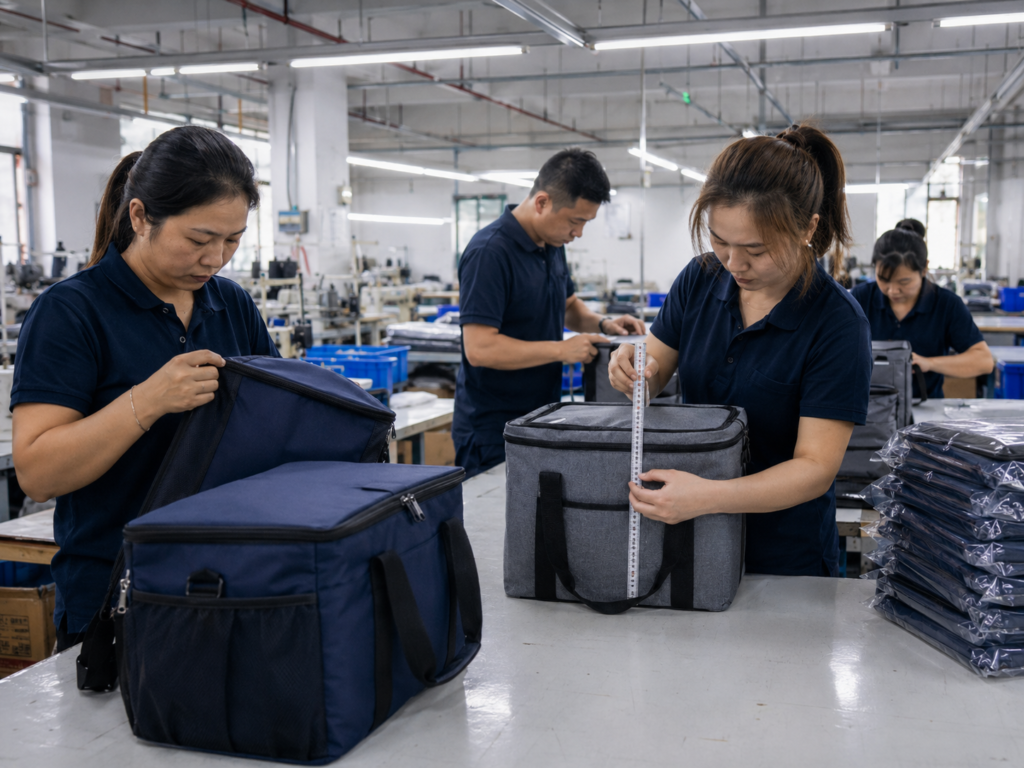
Quality control is especially important for insulated cooler bags because small details can directly affect performance. Stitching, zipper quality, lining sealing, foam thickness, and overall construction should be checked carefully during sampling and production. Clear inspection standards help reduce defects and ensure the finished products meet your expectations.
Many international buyers also prefer working with manufacturers that follow recognized social compliance standards such as BSCI. This can help support responsible production and give buyers more confidence when sourcing from overseas suppliers.
If you want a more detailed supplier evaluation checklist, read our How to Evaluate a Reliable Bag Manufacturer for Your Brand guide before choosing a long-term manufacturing partner.
Final Thoughts
Choosing the right insulated cooler bag is about more than just cooling time. Insulation materials, product quality, intended use, and manufacturing expertise all play important roles in delivering reliable performance. Whether you’re sourcing cooler bags for retail, outdoor activities, food delivery, or promotional projects, selecting the right product structure can improve user satisfaction and strengthen your brand value.
Working with an experienced manufacturer is equally important. A reliable OEM partner can help you choose suitable insulation materials, develop custom designs, control production quality, and ensure consistent delivery for your market needs. This helps reduce sourcing risks while supporting long-term business growth.
If you’re looking for a trusted OEM cooler bag manufacturer, contact our team to discuss your project. Whether you need custom materials, private label production, logo customization, or wholesale cooler bag solutions, we’re ready to help you develop products that fit your business.
Frequently Asked Questions
Do cooler bags need ice packs?
Cooler bags do not always require ice packs, but using frozen ice packs can significantly improve cooling performance. A cooler bag mainly slows down heat transfer; it does not actively produce cold air. If you place only room-temperature items inside, the bag cannot make them cold. For best results, pre-chill food and drinks before packing, then add frozen ice packs to help maintain a lower internal temperature for longer periods.
Can cooler bags keep food hot?
Yes. Cooler bags can also help keep food warm because insulation works by slowing heat transfer in both directions. The same insulation materials that help keep cold items cold can also help reduce heat loss from warm food. However, performance depends on the bag construction, lining material, food temperature, and how long the bag remains closed. For food delivery or catering use, choosing a well-insulated delivery bag is important for maintaining food quality during transportation.
Which insulation material performs best?
There is no single material that works best for every cooler bag. Good cooling performance usually comes from a combination of materials. EPE foam is commonly used as the main insulation layer because it is lightweight and effective at reducing heat transfer. PEVA lining provides a food-safe and waterproof inner surface, while aluminum foil can help reflect heat. Durable outer fabrics such as Oxford or polyester also protect the insulation and improve long-term performance.
Are cooler bags waterproof?
Many cooler bags are water-resistant, but not all are fully waterproof. The outer fabric, zipper design, stitching, and inner lining all affect water resistance. PEVA or aluminum foil linings can help prevent leaks inside the bag, while coated Oxford or polyester fabrics can resist light rain and splashes. For outdoor, delivery, or commercial use, buyers should confirm the waterproof requirements with the manufacturer before production.
Can cooler bags be customized?
Yes. Cooler bags can be customized for OEM, ODM, private label, wholesale, and promotional projects. Common customization options include logo printing, heat transfer printing, embroidery, rubber patches, woven labels, material selection, color matching, insulation upgrades, size adjustments, hang tags, and custom packaging. The best customization solution depends on your target market, budget, order quantity, and brand positioning.